nosy be panther chameleon
The Complete Guide to Nosy Be Panther Chameleon Care and Breeding in 2025
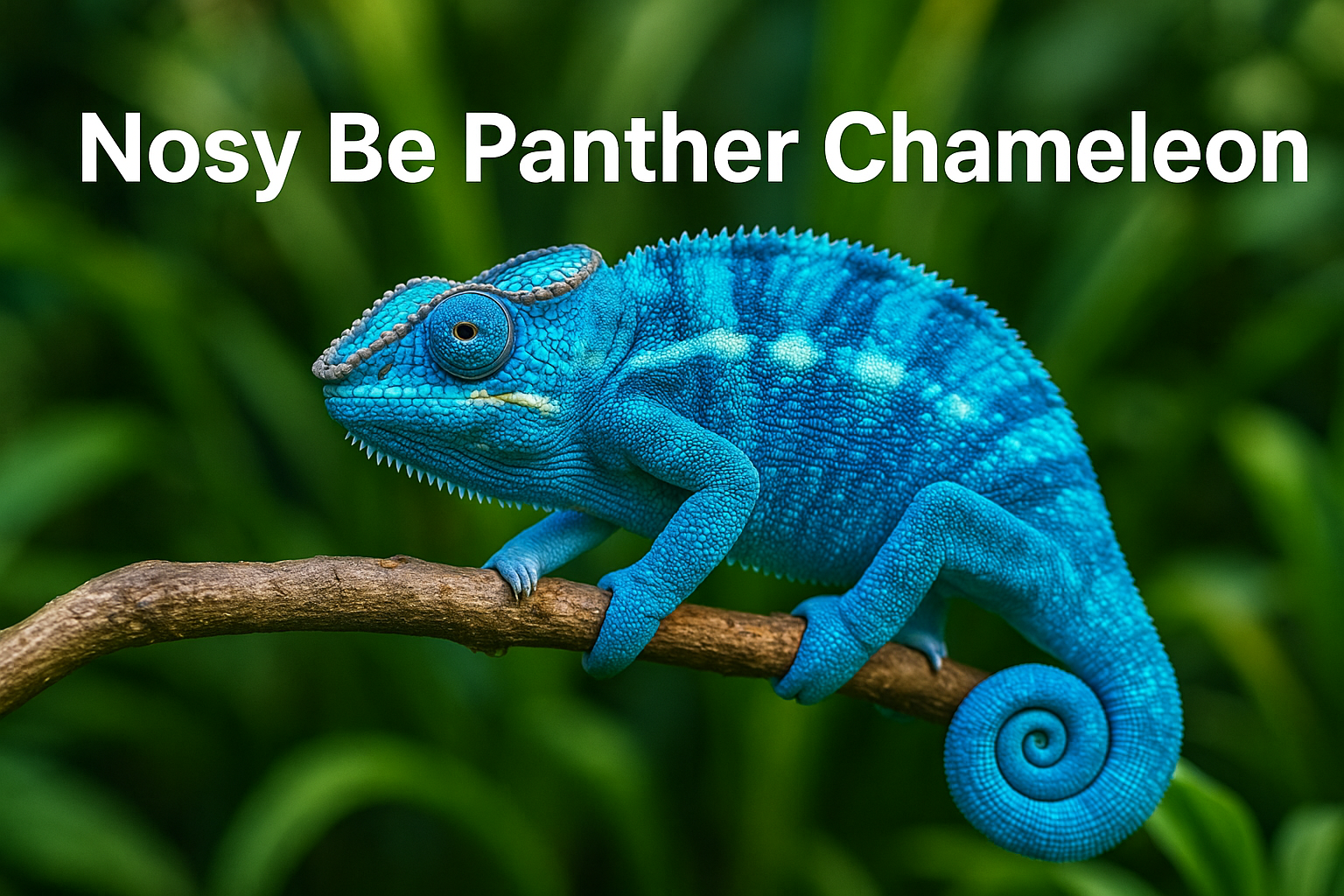
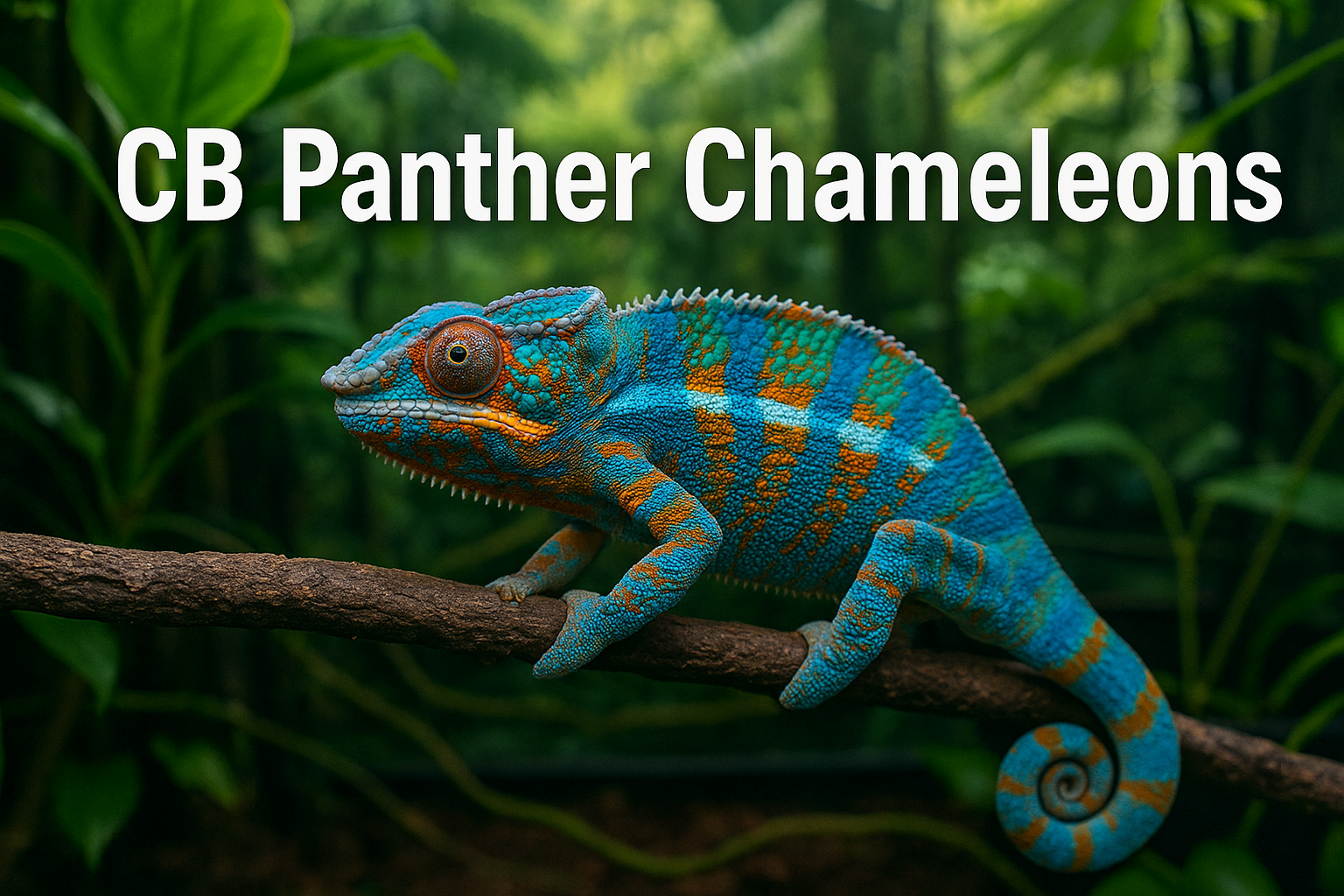
Picture this: a brilliant electric blue chameleon slowly rotating its independently moving eyes while perched on a Madagascar branch, its skin shimmering with an almost supernatural intensity. This isn't a fantasy creature from a movie – it's the nosy be panther chameleon, one of nature's most spectacular color-changing reptiles and arguably the crown jewel of the chameleon world.
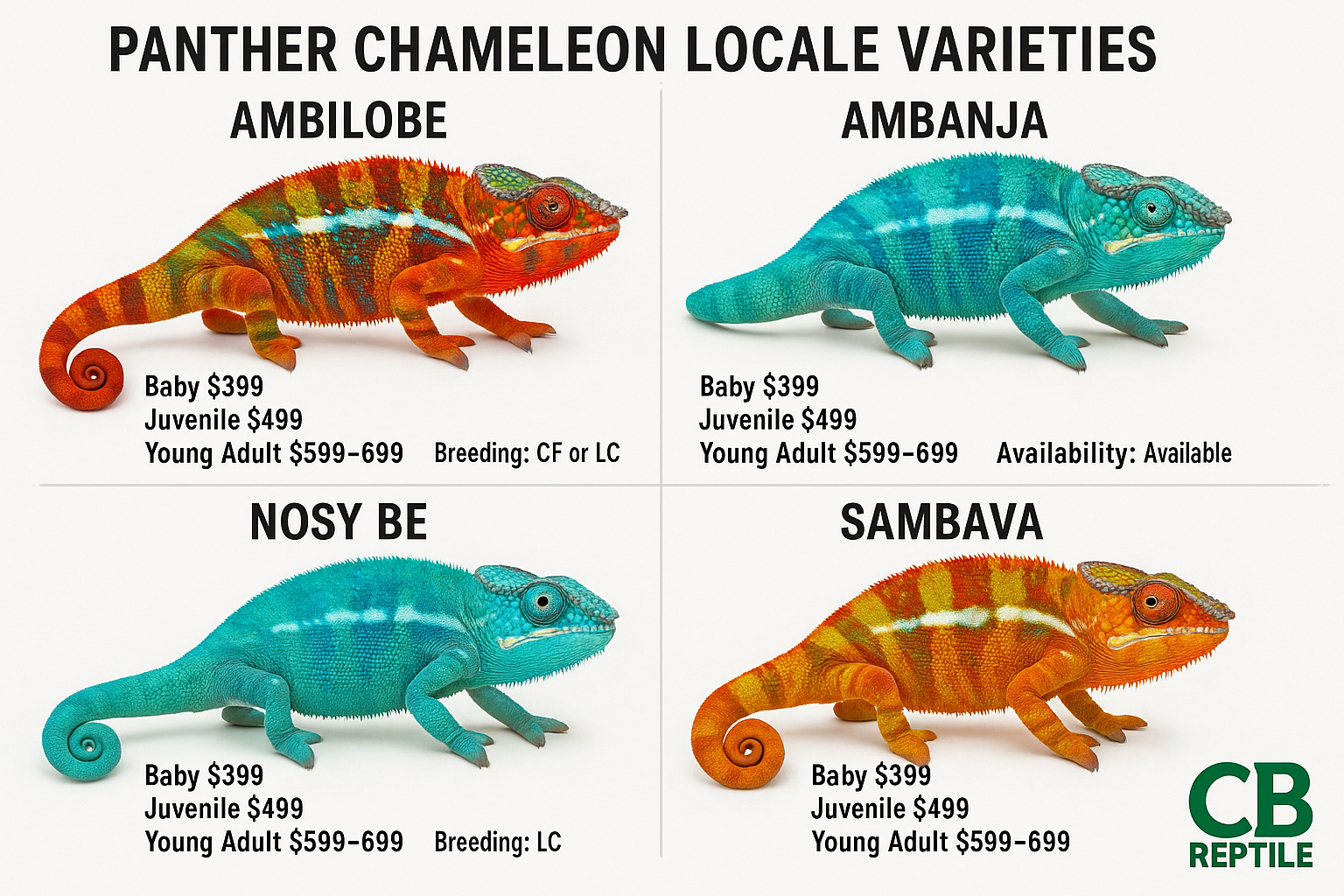
The nosy be panther chameleon (Furcifer pardalis) represents the pinnacle of chameleon breeding, combining stunning visual appeal with fascinating behaviors that have captivated reptile enthusiasts worldwide. Named after the small island of Nosy Be off Madagascar's northwest coast, these remarkable creatures showcase some of the most vibrant blue coloration found in any reptile species.
Key Takeaways
- Nosy Be panther chameleons are renowned for their brilliant blue coloration and are considered premium specimens in the reptile trade
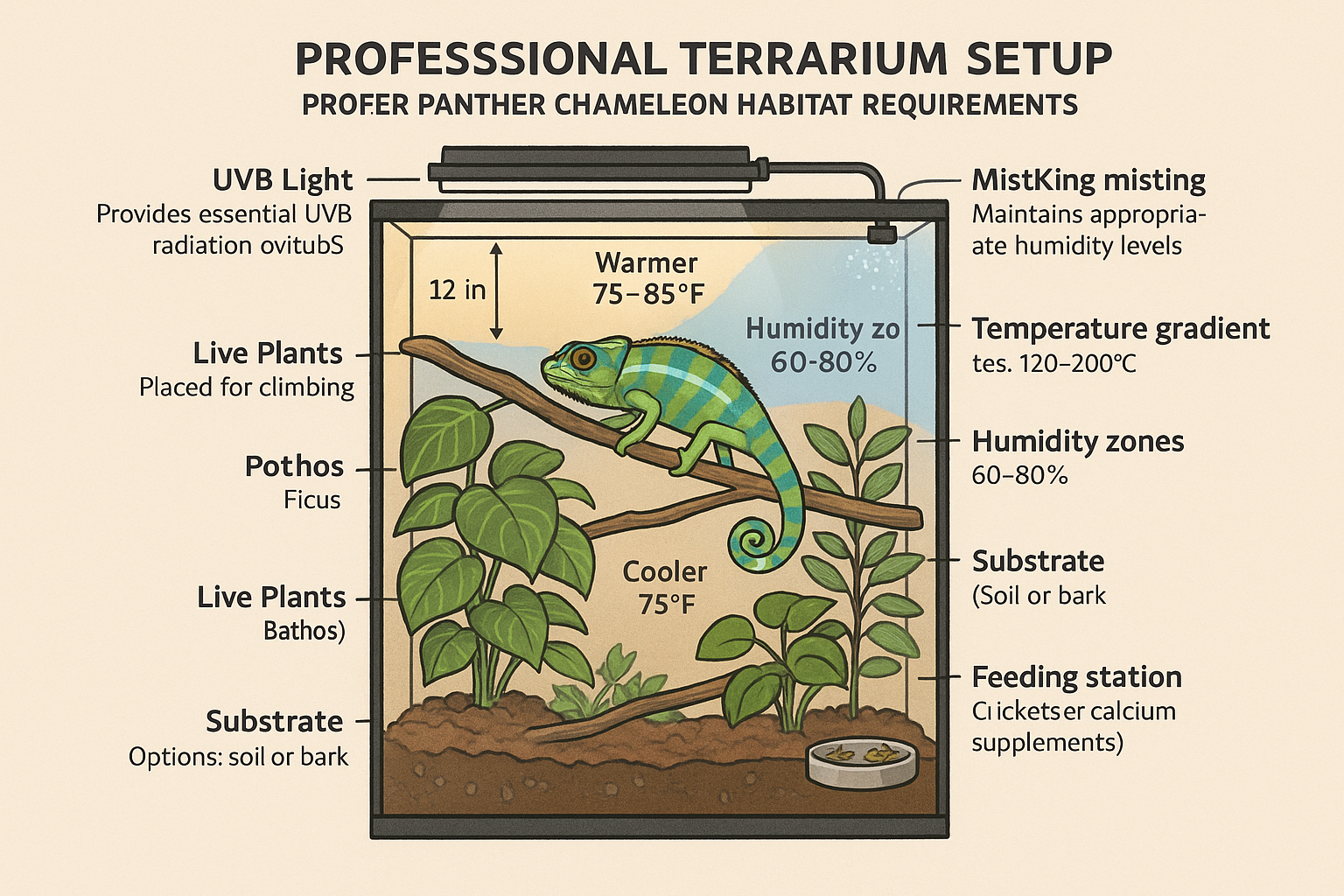
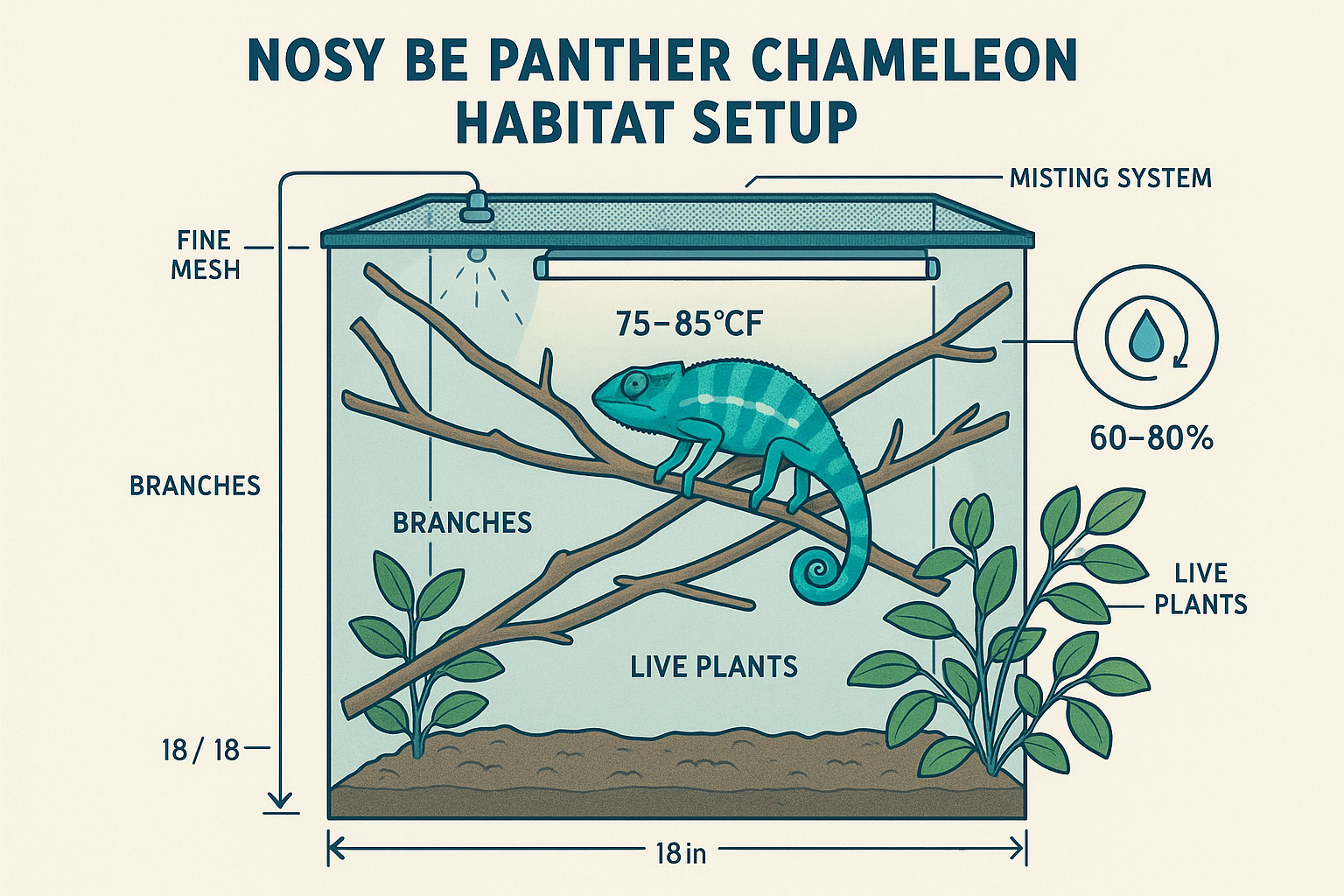
- Proper habitat setup requires specific temperature gradients (75-85°F), humidity levels (60-80%), and UVB lighting for optimal health
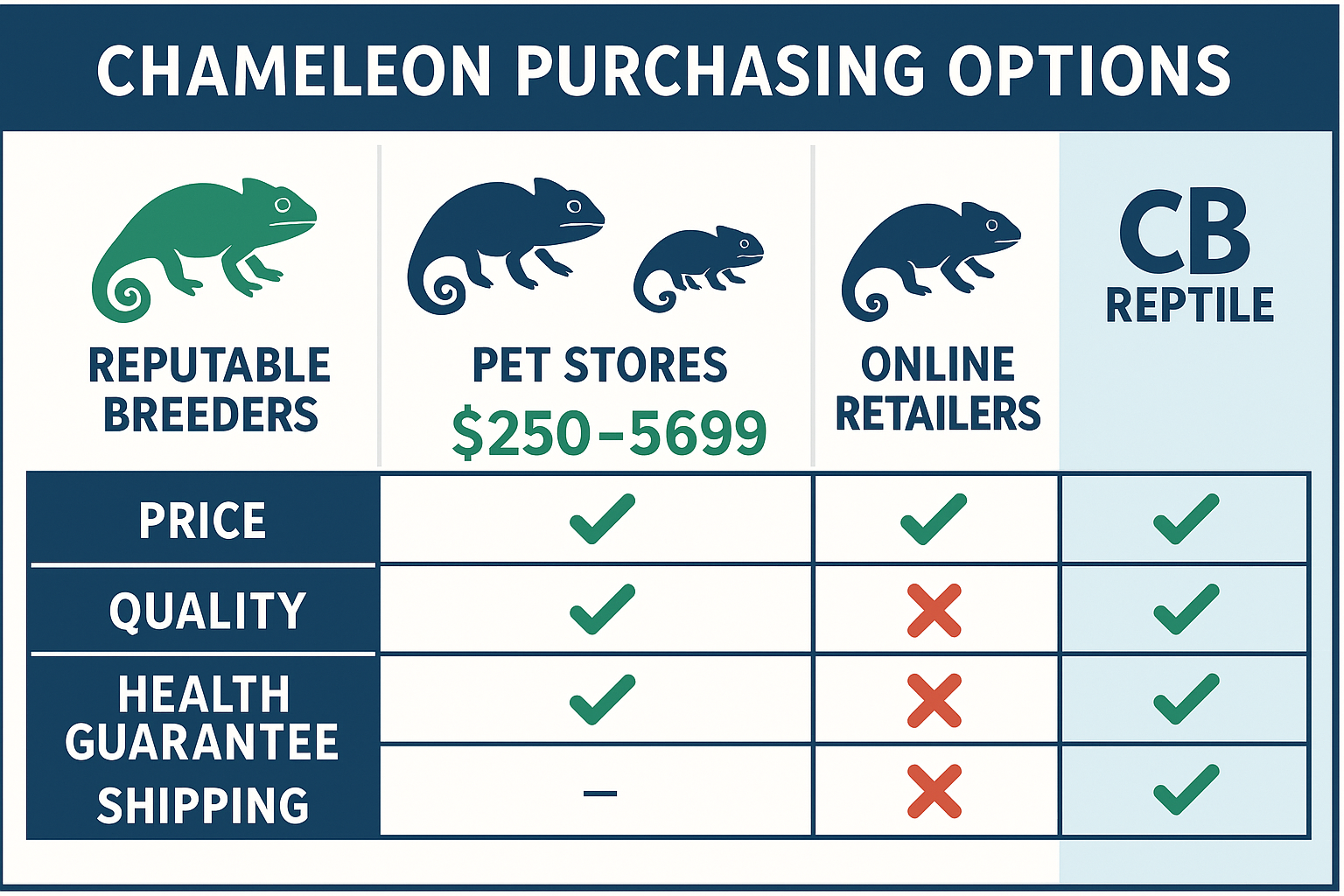
- CB Reptile stands as the leading breeder of captive-bred panther chameleons, offering competitive pricing and healthy specimens
- Breeding programs require careful attention to genetics, nutrition, and environmental conditions for successful reproduction
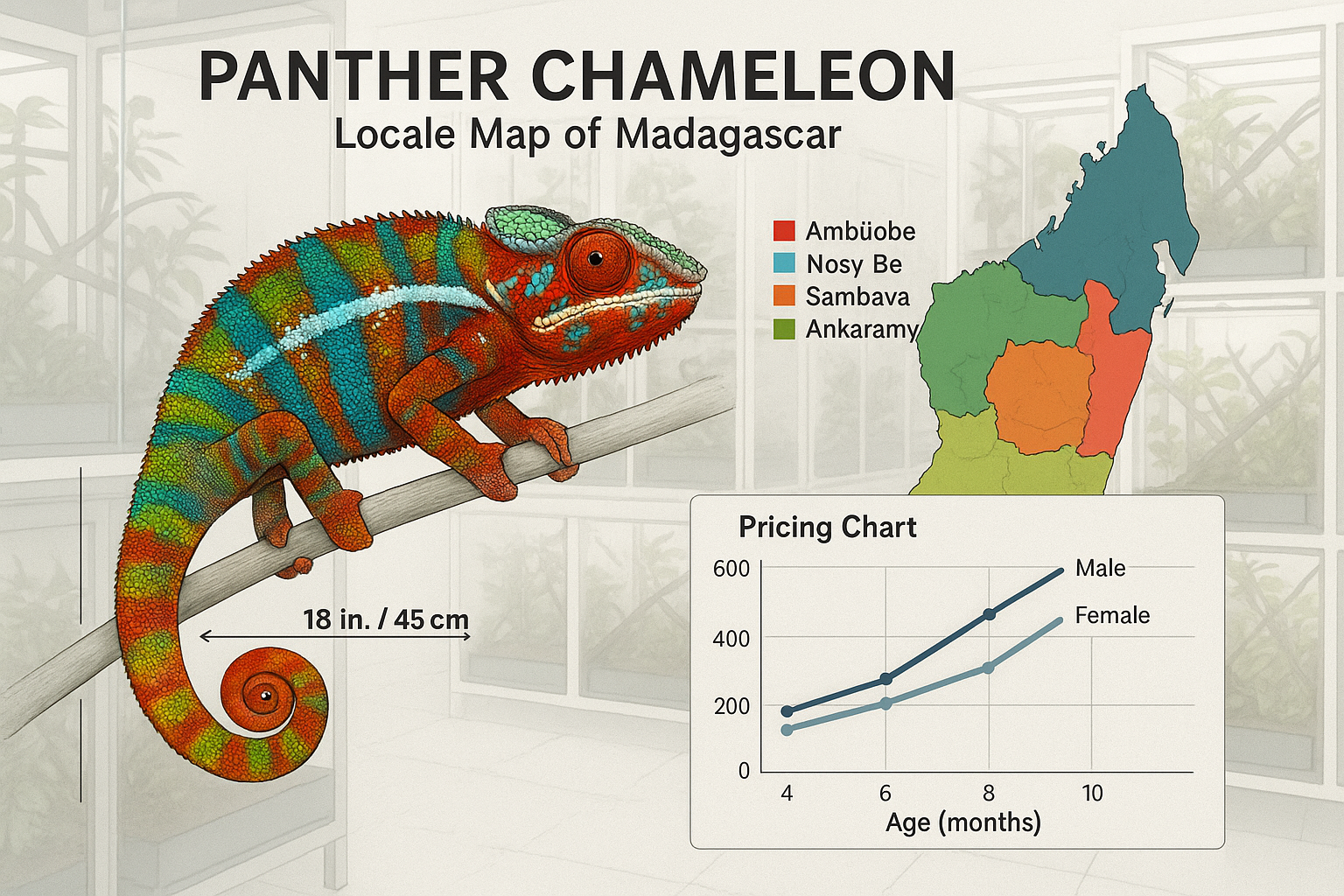
- Investment costs range from $250-$699 depending on age and gender, making them accessible to serious reptile keepers
Understanding the Nosy Be Panther Chameleon: Origins and Characteristics
The nosy be panther chameleon originates from a small island paradise that has become synonymous with some of the most spectacular chameleon genetics on Earth. Nosy Be, which translates to "Big Island" in Malagasy, sits approximately 8 kilometers off Madagascar's northwest coast and serves as the exclusive home to this remarkable locale.
Physical Characteristics and Coloration 🎨
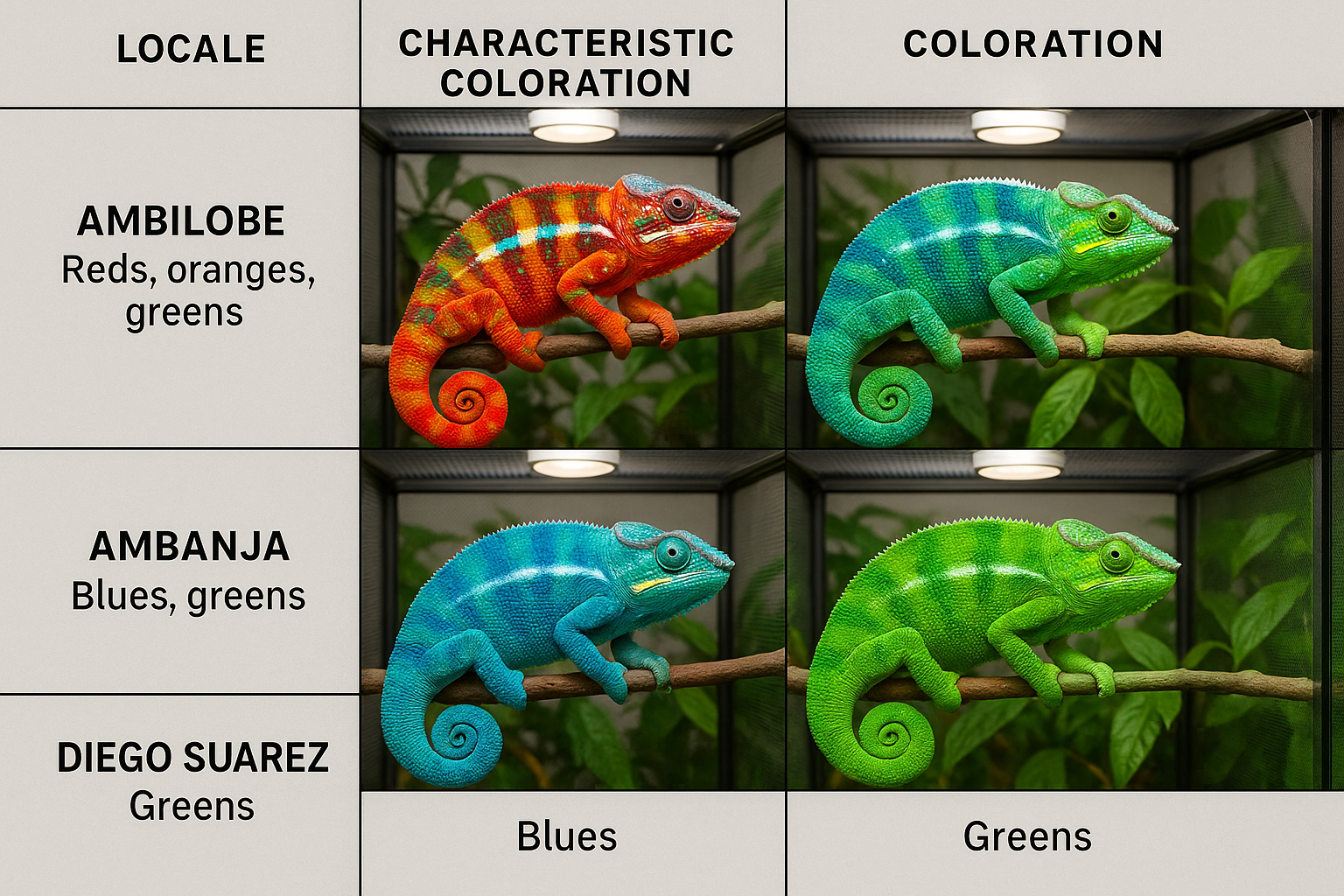
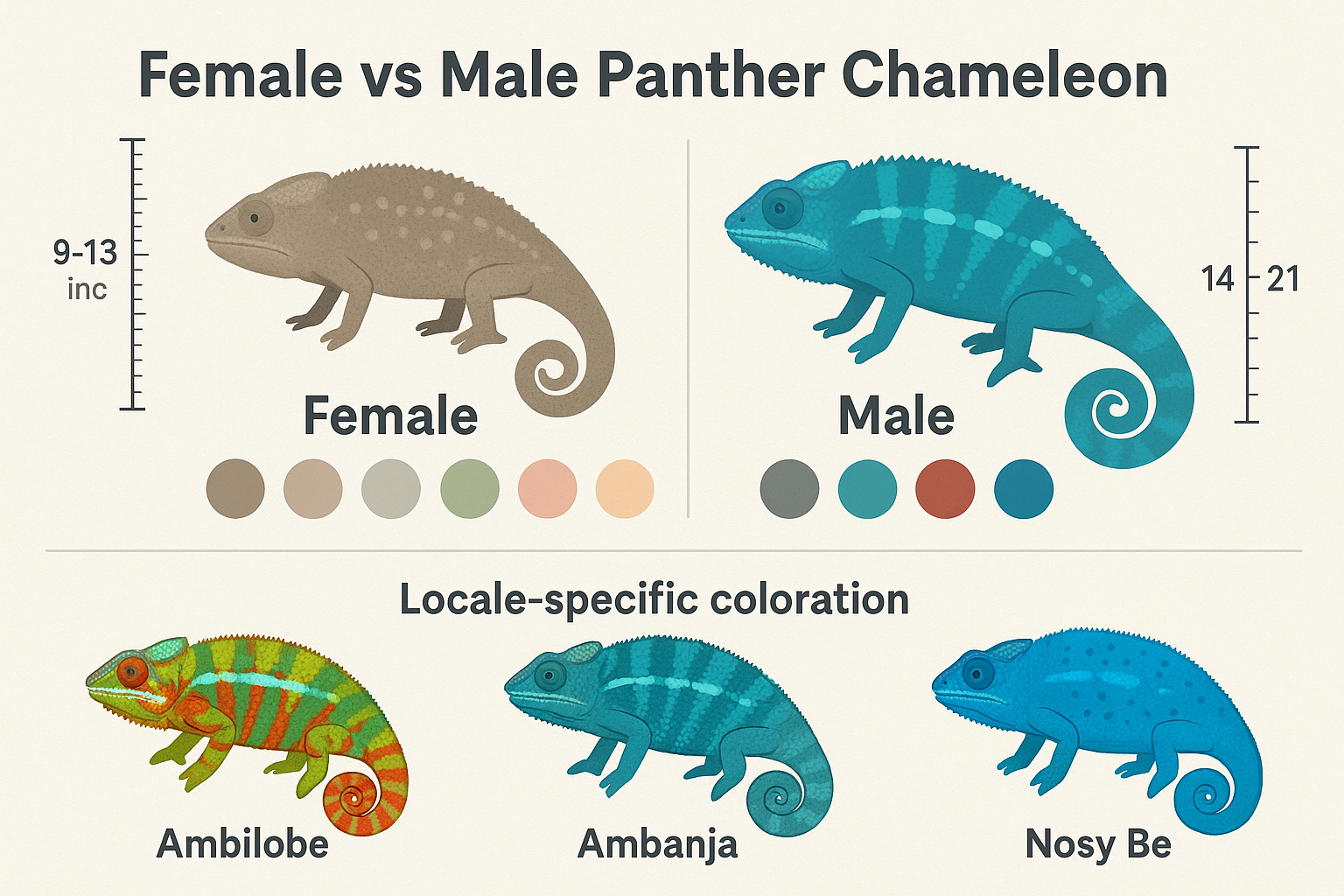
What sets the nosy be panther chameleon apart from other panther chameleon locales is their extraordinary blue coloration. Adult males typically display:
- Primary coloration: Electric blue to turquoise blue base colors
- Secondary patterns: White or light blue banding across the body
- Size: Males reach 17-20 inches total length, females 12-14 inches
- Weight: Males 140-200 grams, females 80-120 grams
- Casque development: Prominent raised casque (helmet-like structure) on males
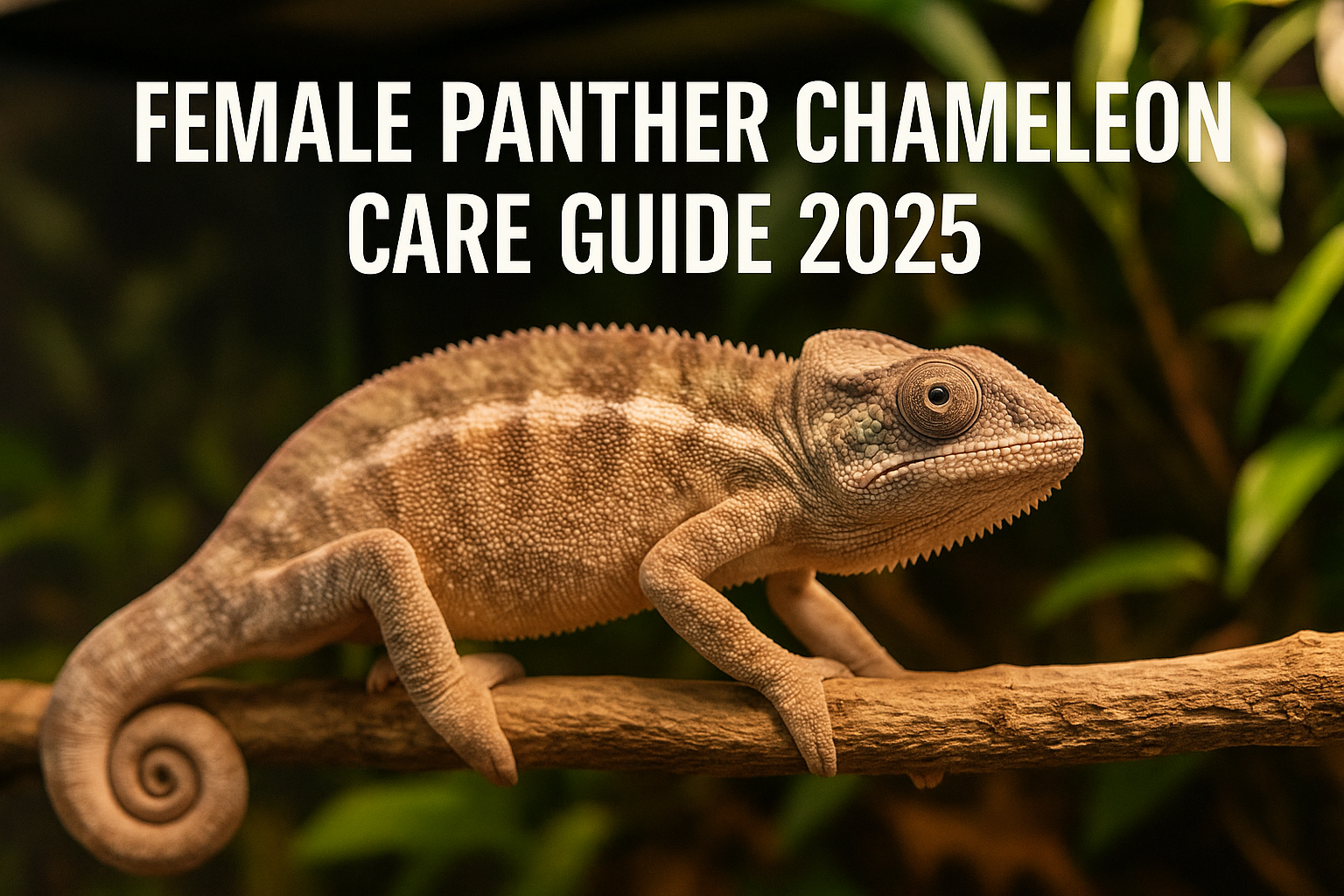
Female nosy be panther chameleons maintain the subtle beauty characteristic of female panthers, displaying peach, orange, and pink hues with darker banding patterns. During gravid periods, they develop striking gravid coloration featuring deep oranges and blacks.
Behavioral Traits
These chameleons exhibit fascinating behaviors that make them compelling subjects for observation:
- Independent eye movement: Each eye can move independently, providing 360-degree vision
- Color-changing ability: Rapid color shifts based on mood, temperature, and social interactions
- Territorial nature: Males are highly territorial and will display aggressive postures when threatened
- Arboreal lifestyle: Spend virtually all time in trees and elevated positions
When considering a chameleon for sale, the nosy be panther chameleon represents the gold standard for both beginner and advanced keepers seeking a visually stunning and behaviorally interesting species.
Setting Up the Perfect Nosy Be Panther Chameleon Habitat
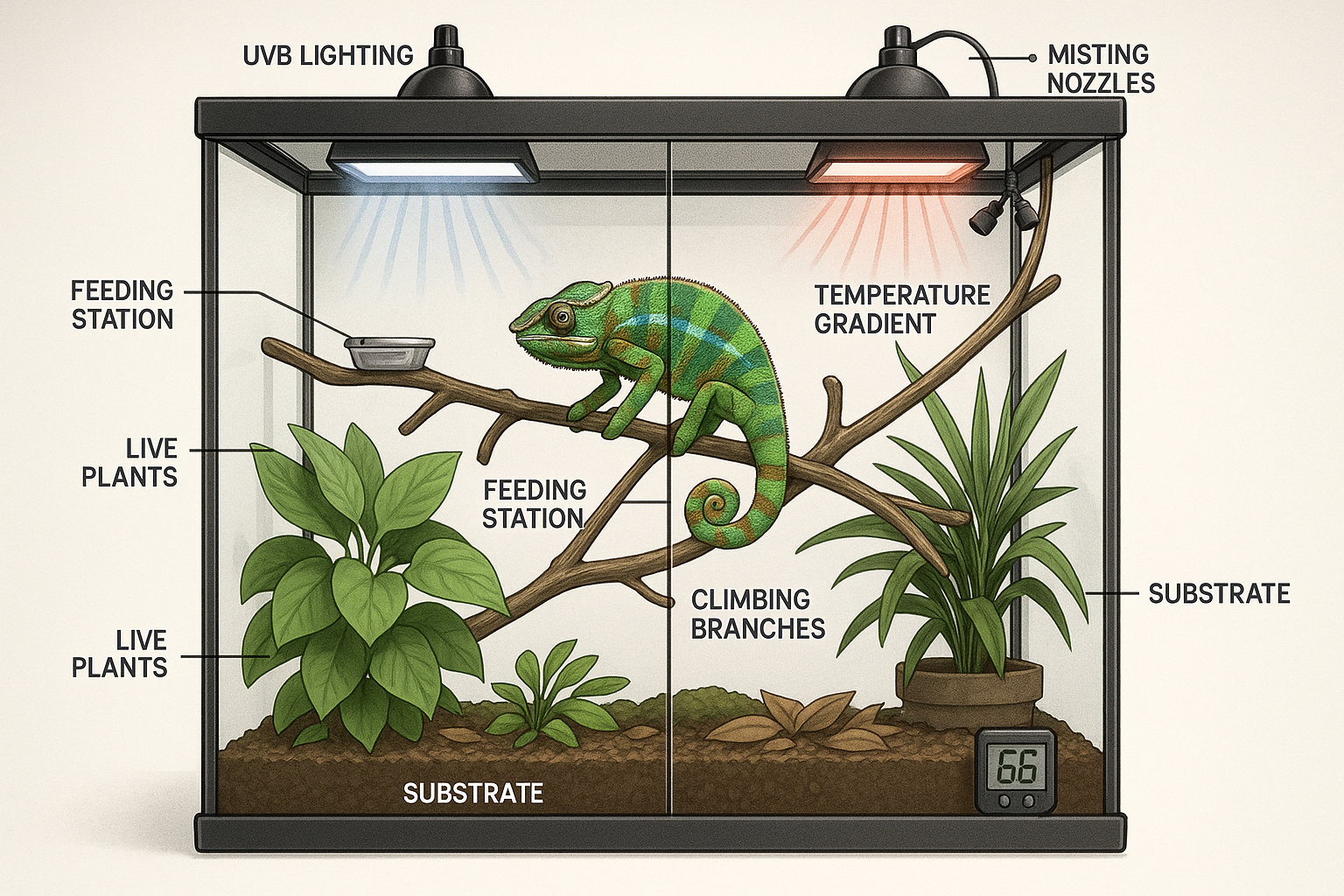
Creating an optimal environment for your nosy be panther chameleon requires attention to multiple environmental factors that replicate their natural Madagascar habitat. Success in chameleon keeping starts with understanding their specific needs and implementing proper husbandry techniques.
Terrarium Requirements and Setup
The foundation of successful nosy be panther chameleon care begins with appropriate housing. These arboreal reptiles require vertical space more than horizontal floor area.
Minimum Enclosure Sizes:
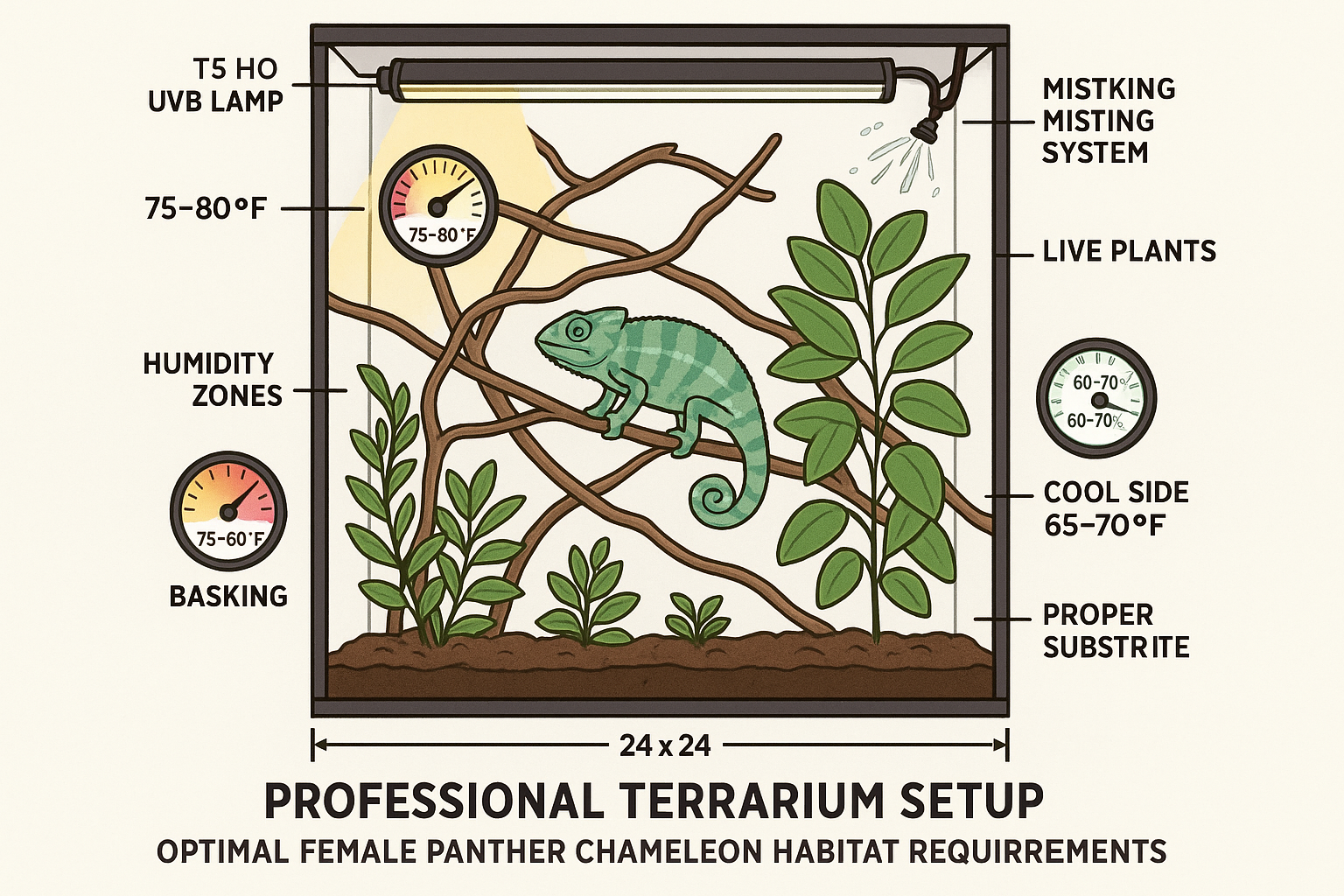
- Adult males: 24" x 24" x 48" (minimum)
- Adult females: 18" x 18" x 36" (minimum)
- Juveniles: 16" x 16" x 30" (suitable until 6-8 months)
For optimal results, larger enclosures always prove beneficial. Screen enclosures work best as they provide excellent ventilation while maintaining appropriate humidity levels. Glass terrariums can work but require careful attention to airflow to prevent stagnant air conditions.
Temperature and Lighting Requirements ☀️
Temperature Gradients:
- Basking spot: 85-90°F for males, 80-85°F for females
- Ambient temperature: 75-80°F during the day
- Nighttime drop: 65-70°F (essential for proper thermoregulation)
- Seasonal variation: Slight temperature drops during winter months
UVB Lighting Setup:
Proper UVB lighting is absolutely critical for nosy be panther chameleon health. Without adequate UVB exposure, chameleons develop metabolic bone disease and other serious health issues.
- UVB strength: 5-6% UVB fluorescent or LED fixtures
- Placement: 6-8 inches from basking branches
- Duration: 12 hours daily with automatic timers
- Replacement: Every 6-12 months depending on bulb type
Basking Lights:
- Incandescent or halogen bulbs for heat
- Positioned to create proper temperature gradient
- Dimmer switches for fine-tuning temperatures
Humidity and Misting Systems 💧
Maintaining proper humidity levels is crucial for nosy be panther chameleon health, particularly for proper shedding and respiratory function.
Humidity Requirements:
- Daytime humidity: 60-70%
- Nighttime humidity: 80-90%
- Monitoring: Digital hygrometers for accurate readings
Misting Systems:
The MistKing system represents the gold standard for chameleon misting automation. This professional-grade system provides:
- Programmable misting schedules
- Fine mist droplets that chameleons prefer for drinking
- Multiple nozzle capability for larger enclosures
- Reliable operation with minimal maintenance
Manual Misting Alternative:
For budget-conscious keepers, hand-misting 2-3 times daily can work, though automated systems provide more consistent results. Focus on:
- Early morning misting sessions
- Mid-day light misting
- Evening hydration periods
Professional chameleon breeders universally recommend automated misting systems for consistent results and reduced daily maintenance requirements.
<!DOCTYPE html>
<html lang="en">
<head>
    <meta charset="UTF-8">
    <meta name="viewport" content="width=device-width, initial-scale=1.0">
    <title>Nosy Be Panther Chameleon Cost Calculator</title>
    <style>
        .cg-calculator-container {
            max-width: 600px;
            margin: 20px auto;
            padding: 25px;
            border: 2px solid #2c5aa0;
            border-radius: 10px;
            background: linear-gradient(135deg, #f8f9fa 0%, #e9ecef 100%);
            font-family: Arial, sans-serif;
            box-shadow: 0 4px 6px rgba(0,0,0,0.1);
        }
        .cg-calculator-title {
            text-align: center;
            color: #2c5aa0;
            margin-bottom: 25px;
            font-size: 24px;
            font-weight: bold;
        }
        .cg-input-group {
            margin-bottom: 20px;
            padding: 15px;
            background: white;
            border-radius: 8px;
            box-shadow: 0 2px 4px rgba(0,0,0,0.05);
        }
        .cg-input-label {
            display: block;
            margin-bottom: 8px;
            font-weight: bold;
            color: #333;
        }
        .cg-select {
            width: 100%;
            padding: 10px;
            border: 2px solid #ddd;
            border-radius: 5px;
            font-size: 16px;
            background: white;
        }
        .cg-select:focus {
            border-color: #2c5aa0;
            outline: none;
        }
        .cg-result-container {
            background: #2c5aa0;
            color: white;
            padding: 20px;
            border-radius: 8px;
            text-align: center;
            margin-top: 20px;
        }
        .cg-price-display {
            font-size: 32px;
            font-weight: bold;
            margin: 10px 0;
        }
        .cg-setup-cost {
            background: #28a745;
            padding: 15px;
            border-radius: 8px;
            margin-top: 15px;
        }
        .cg-cost-breakdown {
            margin-top: 20px;
            padding: 15px;
            background: #f8f9fa;
            border-radius: 8px;
            color: #333;
        }
        .cg-cost-item {
            display: flex;
            justify-content: space-between;
            margin: 8px 0;
            padding: 5px 0;
            border-bottom: 1px solid #ddd;
        }
        @media (max-width: 600px) {
            .cg-calculator-container {
                margin: 10px;
                padding: 15px;
            }
            .cg-calculator-title {
                font-size: 20px;
            }
            .cg-price-display {
                font-size: 24px;
            }
        }
    </style>
</head>
<body>
    <div class="cg-calculator-container">
        <h2 class="cg-calculator-title">🦎 Nosy Be Panther Chameleon Cost Calculator</h2>

        <div class="cg-input-group">
            <label class="cg-input-label">Select Gender:</label>
            <select class="cg-select" id="cg-gender-select">
                <option value="">Choose Gender</option>
                <option value="male">Male</option>
                <option value="female">Female</option>
            </select>
        </div>

        <div class="cg-input-group">
            <label class="cg-input-label">Select Age Group:</label>
            <select class="cg-select" id="cg-age-select">
                <option value="">Choose Age</option>
                <option value="baby">Baby (2-4 months)</option>
                <option value="juvenile">Juvenile (4-8 months)</option>
                <option value="young-adult">Young Adult (8-12 months)</option>
            </select>
        </div>

        <div class="cg-input-group">
            <label class="cg-input-label">Include Setup Costs?</label>
            <select class="cg-select" id="cg-setup-select">
                <option value="no">Chameleon Only</option>
                <option value="basic">Basic Setup (+$400)</option>
                <option value="premium">Premium Setup (+$800)</option>
            </select>
        </div>

        <div class="cg-result-container" id="cg-result" style="display: none;">
            <div>Estimated Total Cost:</div>
            <div class="cg-price-display" id="cg-total-price">$0</div>

            <div class="cg-cost-breakdown" id="cg-breakdown">
                <div class="cg-cost-item">
                    <span>Chameleon Price:</span>
                    <span id="cg-chameleon-price">$0</span>
                </div>
                <div class="cg-cost-item">
                    <span>Setup Costs:</span>
                    <span id="cg-setup-price">$0</span>
                </div>
            </div>
        </div>
    </div>

    <script>
        const cgPricing = {
            male: {
                baby: 399,
                juvenile: 499,
                'young-adult': 649
            },
            female: {
                baby: 250,
                juvenile: 400,
                'young-adult': 550
            }
        };

        const cgSetupCosts = {
            no: 0,
            basic: 400,
            premium: 800
        };

        function cgUpdatePrice() {
            const gender = document.getElementById('cg-gender-select').value;
            const age = document.getElementById('cg-age-select').value;
            const setup = document.getElementById('cg-setup-select').value;
            const resultDiv = document.getElementById('cg-result');

            if (gender && age) {
                const chameleonPrice = cgPricing[gender][age];
                const setupPrice = cgSetupCosts[setup];
                const totalPrice = chameleonPrice + setupPrice;

                document.getElementById('cg-chameleon-price').textContent = '$' + chameleonPrice;
                document.getElementById('cg-setup-price').textContent = '$' + setupPrice;
                document.getElementById('cg-total-price').textContent = '$' + totalPrice;

                resultDiv.style.display = 'block';
            } else {
                resultDiv.style.display = 'none';
            }
        }

        document.getElementById('cg-gender-select').addEventListener('change', cgUpdatePrice);
        document.getElementById('cg-age-select').addEventListener('change', cgUpdatePrice);
        document.getElementById('cg-setup-select').addEventListener('change', cgUpdatePrice);
    </script>
</body>
</html>
Live Plants and Décor
Creating a naturalistic environment enhances both the aesthetic appeal and the psychological well-being of your nosy be panther chameleon. Live plants provide multiple benefits including humidity regulation, natural climbing opportunities, and improved air quality.
Recommended Live Plants:
- Ficus benjamina: Excellent climbing structure with dense foliage
- Pothos: Hardy, fast-growing, provides good cover
- Schefflera: Large leaves for basking platforms
- Hibiscus: Edible flowers and leaves for dietary variety
Artificial Alternatives:
High-quality silk plants can substitute for live plants in certain situations, particularly for keepers who struggle with plant maintenance or have limited lighting for plant growth.
Branch Selection:
- Various diameter branches (1/2 inch to 2 inches)
- Natural wood like oak, maple, or commercial chameleon branches
- Horizontal and diagonal placement for varied climbing angles
- Secure mounting to prevent falls
For those interested in terrarium setups, investing in quality décor elements creates an environment that supports natural behaviors while providing visual appeal for the keeper.
Nosy Be Panther Chameleon Diet and Nutrition
Proper nutrition forms the cornerstone of successful nosy be panther chameleon husbandry. These insectivorous reptiles require a varied diet of appropriately sized prey items supplemented with essential vitamins and minerals for optimal health and coloration.
Primary Feeder Insects 🦗
Staple Feeders:
- Crickets: Excellent protein source, readily available, easy to gut-load
- Dubia roaches: High protein, low odor, long-lived
- Silkworms: Premium feeder with excellent nutritional profile
- Black soldier fly larvae: High calcium content, natural movement
Supplemental Feeders:
- Hornworms: High moisture content, occasional treats
- Waxworms: High fat content, use sparingly as treats
- Flies: Blue bottle flies, house flies for hunting enrichment
- Isopods: Cleanup crew that doubles as occasional food
Feeding Schedules by Age
Baby Nosy Be Panther Chameleons (0-6 months):
- Feed daily
- 10-15 appropriately sized insects per feeding
- Insects should be no larger than the space between the chameleon's eyes
- Focus on smaller crickets, fruit flies, and pinhead crickets
Juvenile Chameleons (6-12 months):
- Feed daily
- 8-12 medium-sized insects
- Introduce larger prey items gradually
- Maintain consistent supplementation schedule
Adult Chameleons (12+ months):
- Feed every other day
- 5-8 large insects per feeding
- Males may eat more during breeding season
- Females require increased nutrition when gravid
Supplementation Protocol 💊
Proper supplementation prevents metabolic bone disease and ensures optimal health in captive nosy be panther chameleons.
Calcium Supplementation:
- Calcium without D3: Every feeding for juveniles, every other feeding for adults
- Calcium with D3: Once weekly
- Multivitamin: Once every two weeks
Gut-Loading Protocol:
Feed insects nutritious foods 24-48 hours before offering them to your chameleon:
- Commercial gut-loading diets
- Fresh vegetables (carrots, sweet potato, leafy greens)
- High-quality fish flakes or cricket food
- Avoid spinach and iceberg lettuce
Professional reptile nutrition supplies ensure your chameleon receives optimal nutrition throughout all life stages.
Hydration Requirements
Nosy be panther chameleons obtain most of their water from droplets on leaves rather than drinking from standing water sources. Proper hydration requires:
- Morning misting sessions: Simulate natural dew formation
- Dripper systems: Slow drip onto leaves for extended drinking opportunities
- Leaf surface area: Ample foliage to collect water droplets
- Water quality: Use filtered or dechlorinated water only
Signs of proper hydration include:
- Bright, alert eyes
- Elastic skin that snaps back when gently pinched
- Regular urination with white urates
- Active hunting behavior
Breeding Nosy Be Panther Chameleons: A Complete Guide
Breeding nosy be panther chameleons represents both an exciting challenge and a significant responsibility in the reptile community. Successful breeding programs require extensive preparation, proper genetics understanding, and commitment to caring for offspring through their development.
Breeding Age and Sexual Maturity
Male Sexual Maturity:
- Age: 8-12 months
- Size: 12+ inches total length
- Weight: 100+ grams
- Visual indicators: Full adult coloration, prominent casque development
Female Sexual Maturity:
- Age: 6-8 months
- Size: 8+ inches total length
- Weight: 60+ grams
- Receptive coloration: Bright colors when ready to breed
Pre-Breeding Preparation
Conditioning Phase (2-3 months before breeding):
- Increase feeding frequency and variety
- Ensure optimal body weight and condition
- Provide cooling period (65-70°F nights) for 4-6 weeks
- Gradually return to normal temperatures to trigger breeding behavior
Health Screening:
- Fecal examinations for parasites
- Weight monitoring and body condition assessment
- Visual health inspection for any signs of illness
- Quarantine period for new breeding animals
Breeding Process and Courtship
Introduction Protocol:
- Visual introduction: Allow animals to see each other through screen barriers
- Neutral territory: Use a large, neutral enclosure for initial meetings
- Supervised interactions: Never leave breeding pairs unsupervised
- Receptive behavior: Females display bright colors when receptive
Courtship Behaviors:
- Males display vibrant colors and head bobbing
- Females show receptive coloration (bright oranges and pinks)
- Males approach with distinctive walking pattern
- Successful copulation typically lasts 10-30 minutes
Post-Breeding Care:
- Separate animals immediately after breeding
- Increase female's nutrition significantly
- Provide optimal nesting opportunities
- Monitor for gravid coloration development
Egg-Laying and Incubation
Gravid Period:
- Duration: 30-45 days after successful breeding
- Gravid coloration: Dark colors with bright orange spots
- Behavioral changes: Increased basking, restless behavior, digging motions
Nesting Setup:
- Laying bin: 12" x 8" x 8" minimum
- Substrate: Sand/soil mixture 6-8 inches deep
- Moisture: Slightly damp, holds tunnels when compressed
- Privacy: Covered or secluded area
Egg Care:
- Clutch size: 15-40 eggs typically
- Incubation medium: Vermiculite or perlite at 1:1 water ratio by weight
- Temperature: 74-78°F constant
- Humidity: 80-90% in incubation containers
- Duration: 6-9 months incubation period
Successful breeding programs often partner with established panther chameleon breeders to learn advanced techniques and access quality breeding stock.
Raising Baby Nosy Be Panther Chameleons
Hatching Process:
- Babies pip (break shell) with egg tooth
- Emergence takes 24-48 hours
- First shed occurs within 24-48 hours after hatching
- No feeding until after first shed
Nursery Setup:
- Individual housing: Prevent competition and aggression
- Small enclosures: 12" x 12" x 18" screen cages
- Appropriate temperatures: 78-82°F basking, 72-75°F ambient
- High humidity: 70-80% with frequent misting
- UVB lighting: Essential from day one
Feeding Protocol:
- First foods: Pinhead crickets, fruit flies
- Feeding frequency: Daily, small amounts
- Supplementation: Light dusting every feeding
- Growth monitoring: Weekly weight and length measurements
Development Milestones:
- 2-4 months: Rapid growth phase, frequent feeding
- 4-6 months: Sexual dimorphism becomes apparent
- 6-8 months: Adult feeding schedule transition
- 8-12 months: Full adult size and coloration
For detailed information on raising baby chameleons, consider resources from experienced chameleon care specialists who understand the nuances of successful juvenile development.
Health and Veterinary Care for Nosy Be Panther Chameleons

Maintaining optimal health in nosy be panther chameleons requires proactive veterinary care, environmental monitoring, and early recognition of potential health issues. These sensitive reptiles can decline quickly when health problems arise, making prevention and early intervention crucial.
Common Health Issues
Metabolic Bone Disease (MBD):
- Cause: Insufficient UVB lighting, calcium deficiency, improper diet
- Symptoms: Soft jaw, bent limbs, tremors, difficulty climbing
- Prevention: Proper UVB lighting, calcium supplementation, varied diet
- Treatment: Veterinary intervention, improved husbandry, calcium injections
Respiratory Infections:
- Cause: Poor ventilation, excessive humidity, temperature fluctuations
- Symptoms: Open-mouth breathing, wheezing, mucus discharge
- Prevention: Proper ventilation, consistent temperatures, stress reduction
- Treatment: Antibiotics, improved environmental conditions
Parasites:
- Types: Coccidia, pinworms, other intestinal parasites
- Symptoms: Weight loss, poor appetite, abnormal feces
- Prevention: Quarantine new animals, regular fecal examinations
- Treatment: Antiparasitic medications, supportive care
Eye Problems:
- Causes: Vitamin A deficiency, foreign objects, infections
- Symptoms: Swollen eyes, discharge, inability to open eyes
- Prevention: Proper nutrition, clean environment, gentle handling
- Treatment: Veterinary examination, antibiotic drops, vitamin A supplementation
Preventive Health Care
Regular Health Monitoring:
- Weekly weight checks: Track growth and detect early problems
- Visual inspections: Check for injuries, swelling, or abnormal behavior
- Appetite monitoring: Note changes in feeding response
- Fecal examinations: Annual or bi-annual parasite screening
Environmental Health Factors:
- Temperature consistency: Avoid rapid fluctuations
- Humidity control: Prevent both excessive dryness and oversaturation
- Air quality: Ensure proper ventilation without drafts
- Cleanliness: Regular cleaning and disinfection protocols
Stress Reduction:
- Minimal handling: Limit to necessary interactions only
- Visual barriers: Provide hiding spots and visual security
- Consistent routines: Maintain regular feeding and lighting schedules
- Appropriate housing: Avoid overcrowding and territorial conflicts
Finding Qualified Veterinary Care
Veterinary Selection Criteria:
- Exotic experience: Specialization in reptile medicine
- Diagnostic capabilities: Access to appropriate testing equipment
- Emergency availability: After-hours care for urgent situations
- Preventive focus: Emphasis on husbandry and prevention
Preparing for Veterinary Visits:
- Transport containers: Secure, well-ventilated carriers
- Health records: Maintain detailed husbandry and health logs
- Recent photos: Document any visible problems
- Husbandry information: Temperature, humidity, and lighting details
Working with experienced reptile veterinarians ensures your nosy be panther chameleon receives appropriate medical care when needed.
Purchasing Your Nosy Be Panther Chameleon: What to Expect
When ready to add a nosy be panther chameleon to your collection, choosing the right source and understanding pricing structures ensures you acquire a healthy animal while supporting ethical breeding practices.
CB Reptile: The Premier Nosy Be Panther Chameleon Source
CB Reptile has established itself as the leading panther chameleon for sale source in the United States, specializing in captive-bred specimens with exceptional genetics and health standards. Their reputation stems from:
Quality Assurance:
- Captive-bred only: No wild-caught specimens
- Health guarantees: Comprehensive health coverage
- Genetic tracking: Detailed lineage records
- Veterinary partnerships: Professional health screening
Breeding Excellence:
- Selective breeding: Focus on color, size, and temperament
- Proper husbandry: Optimal conditions for breeding stock
- Record keeping: Detailed genetic and health documentation
- Continuous improvement: Ongoing breeding program refinement
Pricing Structure and Investment Considerations
Female Nosy Be Panther Chameleon Pricing:
- Baby females (2-4 months): $250
- Juvenile females (4-8 months): $400
- Young adult females (8-12 months): $550
Male Nosy Be Panther Chameleon Pricing:
- Baby males (2-4 months): $399
- Juvenile males (4-8 months): $499
- Young adult males (8-12 months): $599-$699
Factors Affecting Pricing:
- Age and size: Older animals command higher prices
- Color quality: Exceptional specimens may cost more
- Breeding potential: Proven breeders carry premium pricing
- Seasonal availability: Limited availability may affect pricing
Additional Investment Considerations
Setup Costs:
- Basic setup: $400-600 (enclosure, lighting, basic equipment)
- Premium setup: $800-1200 (automated systems, live plants, quality fixtures)
- Ongoing costs: $30-50 monthly (food, supplements, electricity)
Long-term Investment:
- Lifespan: 5-8 years with proper care
- Veterinary costs: $200-500 annually for routine care
- Equipment replacement: Periodic bulb and equipment updates
When considering reptiles for sale, the nosy be panther chameleon represents a significant but rewarding investment for dedicated reptile enthusiasts.
What to Look for in a Healthy Specimen
Physical Health Indicators:
- Alert behavior: Active, responsive to movement
- Clear eyes: Bright, clear, no discharge or swelling
- Proper body weight: Well-rounded but not obese
- Clean vent: No signs of parasites or infection
- Intact digits: All toes and tail tip present
Behavioral Assessments:
- Feeding response: Eager to hunt and eat
- Color changes: Appropriate responses to stimuli
- Climbing ability: Strong grip and coordination
- Stress indicators: Minimal dark stress coloration
Documentation Requirements:
- Health records: Veterinary examinations and treatments
- Feeding records: Diet and supplementation history
- Genetic information: Lineage and breeding history
- Care instructions: Specific husbandry recommendations
Advanced Nosy Be Panther Chameleon Husbandry Techniques
Mastering advanced husbandry techniques elevates nosy be panther chameleon care from basic maintenance to optimal conditions that promote exceptional health, coloration, and breeding success.
Environmental Enrichment Strategies
Behavioral Enrichment:
- Feeding variety: Rotating prey species to stimulate hunting behaviors
- Environmental complexity: Multiple climbing routes and perching options
- Visual stimulation: Strategic placement near windows (with UVB protection)
- Seasonal variations: Subtle environmental changes to simulate natural cycles
Naturalistic Design Elements:
- Background installations: Cork bark or natural rock backgrounds
- Water features: Small fountains or drippers for ambient humidity
- Plant diversity: Multiple plant species for varied microenvironments
- Lighting zones: Creating distinct basking and cooling areas
Advanced Monitoring Systems
Technology Integration:
- Digital monitoring: WiFi-enabled temperature and humidity sensors
- Automated alerts: Smartphone notifications for environmental changes
- Data logging: Long-term tracking of environmental parameters
- Remote access: Monitoring capabilities while away from home
Health Tracking Systems:
- Weight databases: Digital tracking of growth and weight changes
- Feeding logs: Detailed records of prey consumption and supplementation
- Behavior journals: Documentation of activity patterns and changes
- Photo documentation: Regular photos to track color development and health
Breeding Program Management
Genetic Planning:
- Lineage tracking: Detailed family trees and genetic records
- Outcrossing strategies: Introducing new genetics to prevent inbreeding
- Color line development: Selective breeding for specific traits
- Health screening: Genetic testing for hereditary conditions
Record Keeping Systems:
- Digital databases: Comprehensive breeding and health records
- Photo documentation: Visual records of breeding stock and offspring
- Performance tracking: Success rates and offspring survival statistics
- Market analysis: Tracking demand and pricing trends
Professional breeding operations utilize sophisticated record-keeping systems to maintain genetic diversity and improve breeding outcomes over time.
Seasonal Care Adjustments
Winter Protocols:
- Temperature reduction: Gradual cooling to simulate seasonal changes
- Photoperiod adjustment: Reduced daylight hours
- Feeding modifications: Slight reduction in feeding frequency
- Humidity management: Adjustments for indoor heating effects
Spring Preparation:
- Gradual warming: Slow return to normal temperatures
- Increased nutrition: Enhanced feeding to prepare for breeding season
- Health assessments: Pre-breeding veterinary examinations
- Equipment maintenance: Annual equipment inspection and replacement
Summer Optimization:
- Heat management: Preventing overheating during hot weather
- Hydration focus: Increased misting during dry periods
- Ventilation enhancement: Improved airflow for comfort
- Growth monitoring: Peak growing season for juveniles
Conclusion: Your Journey with Nosy Be Panther Chameleons
The nosy be panther chameleon represents one of the most rewarding and visually spectacular reptile keeping experiences available to dedicated enthusiasts. These magnificent creatures offer a unique combination of stunning beauty, fascinating behaviors, and engaging husbandry challenges that create lasting connections between keeper and animal.
Throughout this comprehensive guide, we've explored every aspect of nosy be panther chameleon care, from basic housing requirements to advanced breeding techniques. The key to success lies in understanding that these animals require specific environmental conditions, consistent care, and a commitment to ongoing learning and improvement.
CB Reptile continues to lead the industry in providing healthy, captive-bred nosy be panther chameleons with exceptional genetics and comprehensive support for new owners. Their commitment to quality and customer education ensures that each chameleon finds a prepared and knowledgeable home.
Next Steps for Prospective Owners
- Prepare your setup: Invest in quality equipment and establish proper environmental conditions before acquiring your chameleon
- Research local veterinary care: Identify qualified exotic veterinarians in your area
- Connect with the community: Join chameleon forums and local reptile groups for ongoing support and advice
- Start with quality stock: Choose reputable breeders who prioritize health and genetics over quick profits
- Commit to continuous learning: Stay updated on husbandry advances and health care developments
The journey of nosy be panther chameleon ownership offers rewards that extend far beyond the initial excitement of acquisition. These remarkable animals provide years of fascination, learning opportunities, and the satisfaction that comes from successfully caring for one of nature's most extraordinary creatures.
Whether you're drawn to their incredible color-changing abilities, their unique behaviors, or the challenge of successful breeding, nosy be panther chameleons offer an unparalleled reptile keeping experience that continues to captivate enthusiasts worldwide. With proper preparation, quality equipment, and ongoing dedication to their care, your nosy be panther chameleon will thrive and provide years of enjoyment and wonder.
SEO Meta Title: Nosy Be Panther Chameleon Care Guide 2025 | CB Reptile Expert Tips
SEO Meta Description: Complete Nosy Be panther chameleon care guide covering habitat setup, breeding, diet, and health. Expert tips from CB Reptile, the #1 chameleon breeder.