raising panther chameleons

The Complete Guide to Raising Panther Chameleons: Expert Care for Madagascar's Most Colorful Reptile

Professional landscape hero image (1536x1024) featuring bold text overlay 'Raising Panther Chameleons: Complete Care Guide' in extra large 7

Picture this: a living rainbow perched delicately on a branch, eyes moving independently as it surveys its domain with ancient wisdom. Raising panther chameleons has captivated reptile enthusiasts for decades, and it's easy to see why these magnificent creatures from Madagascar have become the crown jewels of the chameleon world. With their spectacular color displays ranging from electric blues to fiery oranges, panther chameleons represent one of nature's most stunning achievements in adaptive coloration.

As someone who has dedicated years to understanding these remarkable reptiles, I can tell you that successful panther chameleon husbandry requires more than just admiration for their beauty. It demands a deep understanding of their complex needs, from precise environmental controls to specialized nutrition protocols. Whether you're considering your first chameleon or looking to expand your collection, this comprehensive guide will provide you with the expert knowledge needed to ensure your panther chameleons thrive in captivity.

Key Takeaways

Housing Requirements: Adult males need minimum 4ft x 2ft x 2ft screen enclosures with proper temperature gradients (95°F basking spot) and humidity control (50-70% day, 75-100% night)

Nutrition Protocol: Daily feeding for juveniles (15 insects/day), 4-5x weekly for adults (8-10 insects/feeding) with strict supplementation schedule including calcium, D3, and multivitamins

Essential Equipment: UVB lighting on 12-hour cycles, automated misting systems, and temperature monitoring are non-negotiable for proper care

Breeding Considerations: Females require specialized gravid care and proper egg-laying sites, while males display territorial behaviors requiring separate housing

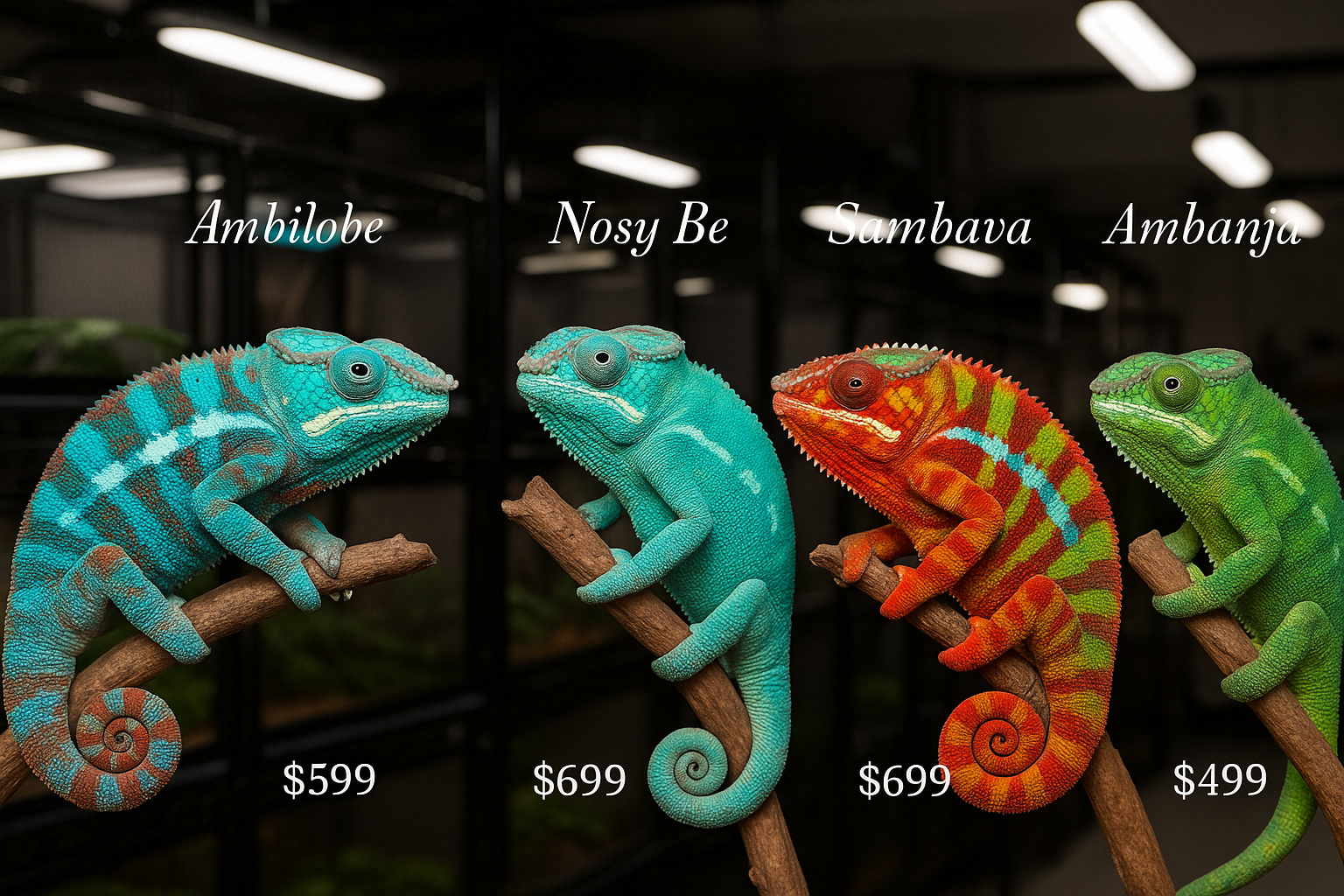
Locale Variations: Different geographic locales (Ambilobe, Ambanja, Nosy Be) exhibit distinct coloration patterns and may have slightly different care requirements

Understanding Panther Chameleon Biology and Natural History
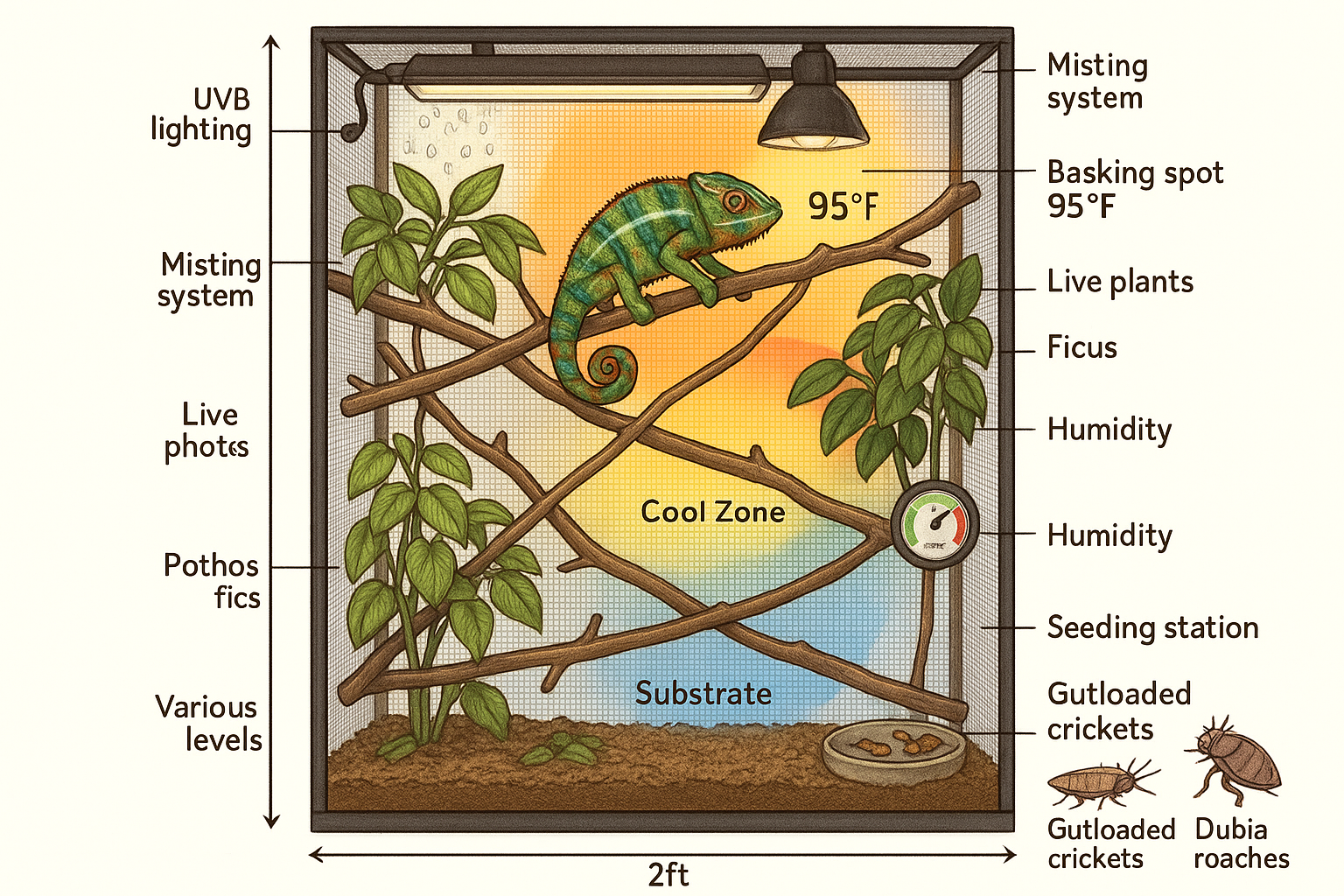
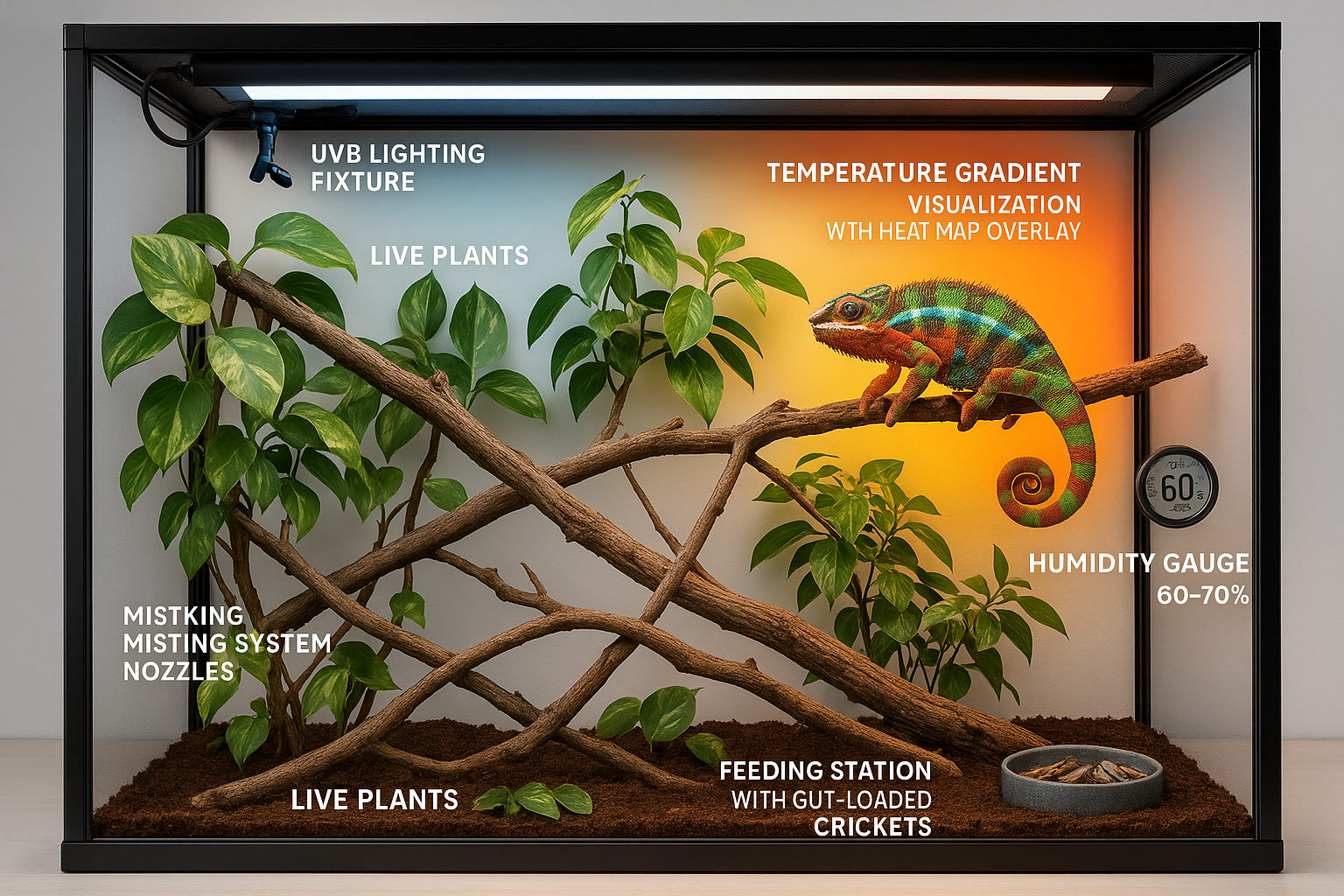
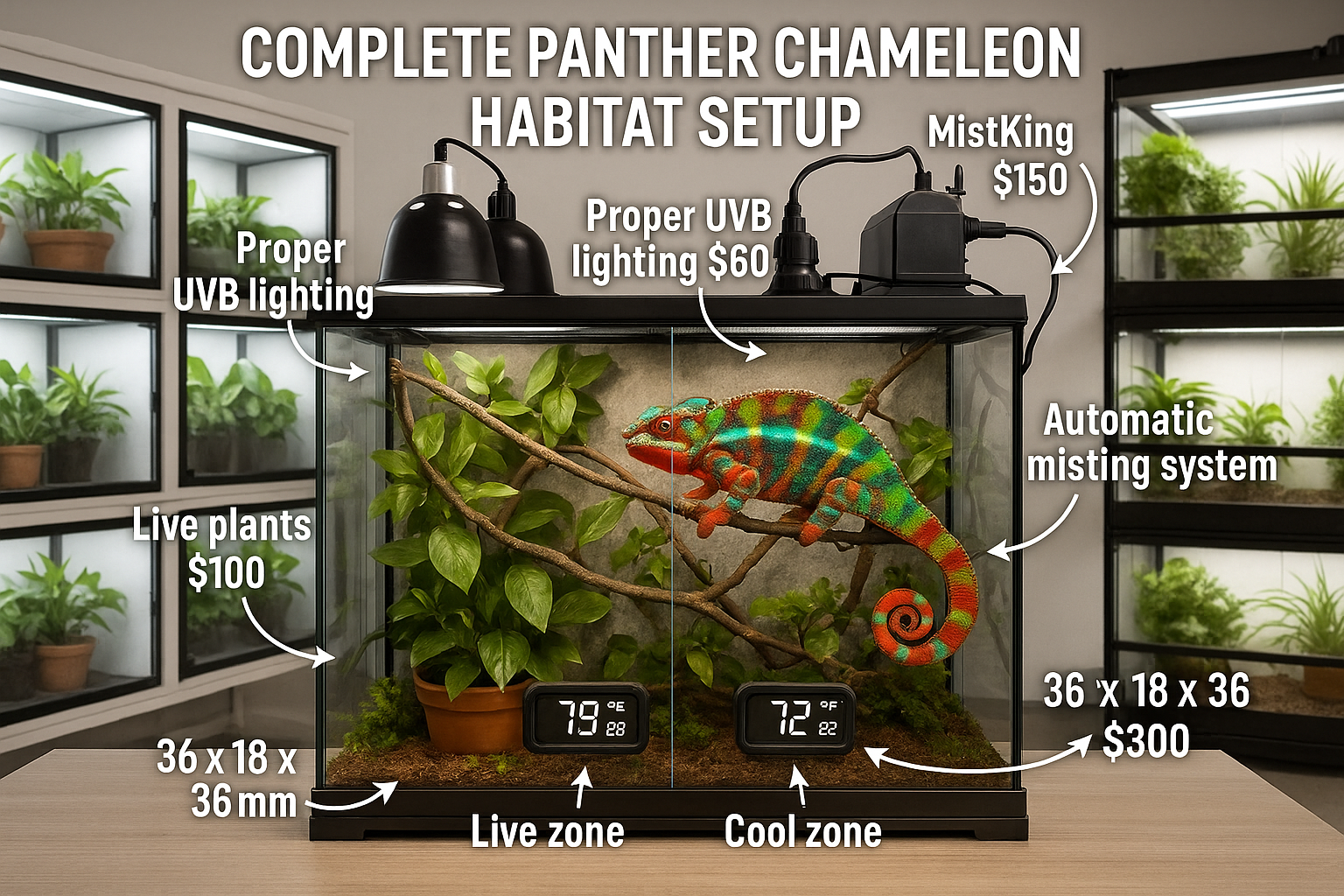
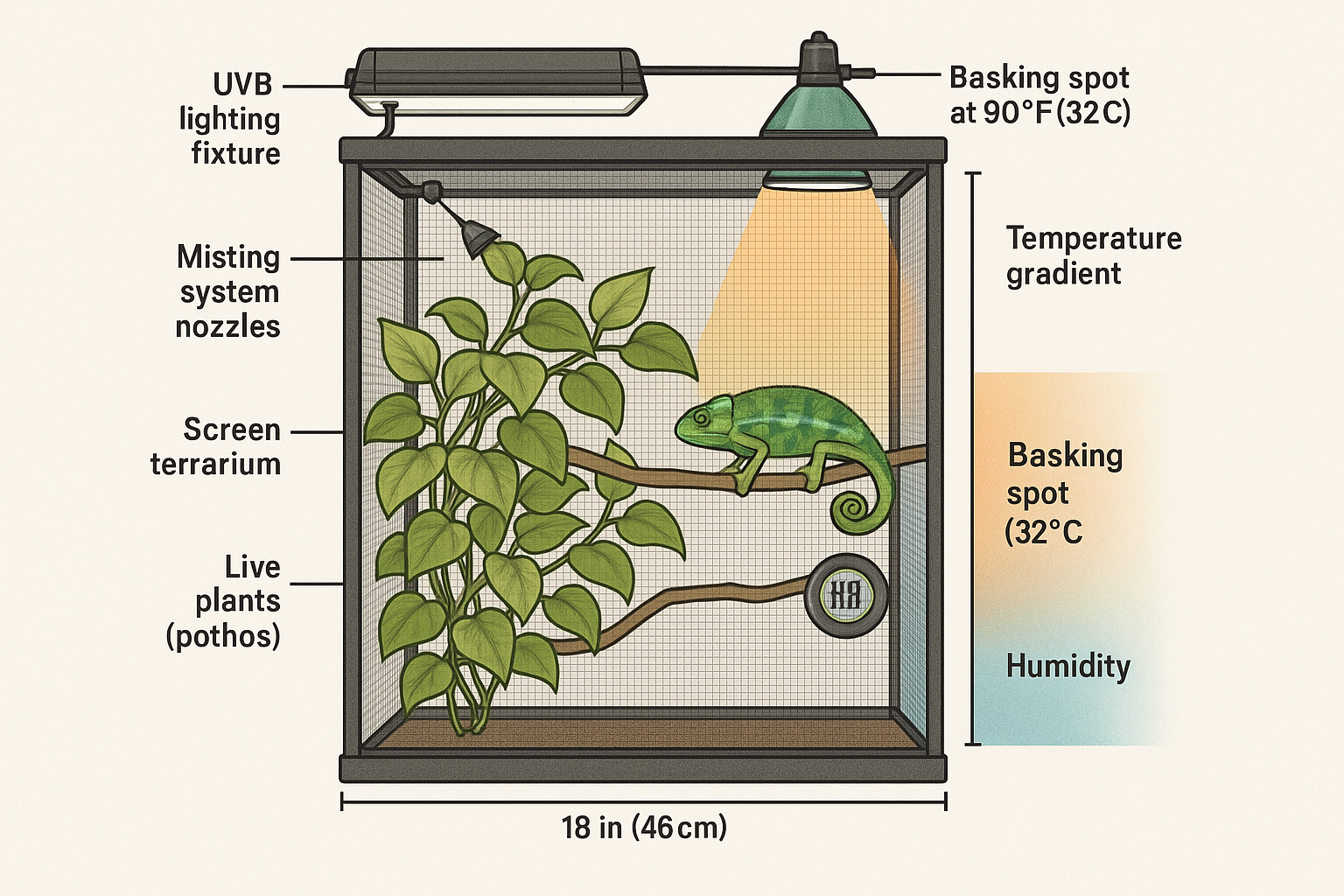
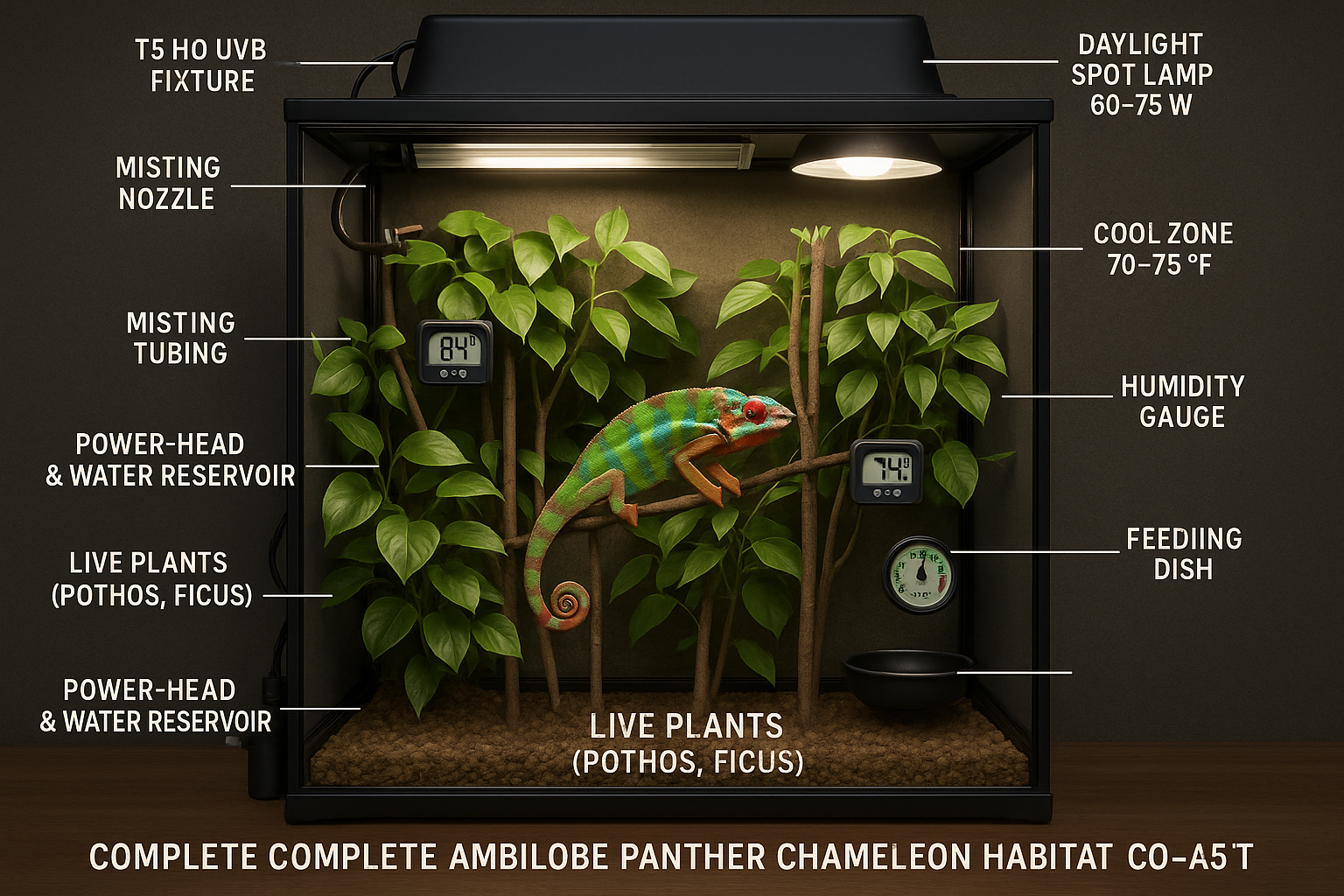
Detailed terrarium setup illustration showing proper panther chameleon habitat with screen enclosure dimensions (4ft tall x 2ft x 2ft), UVB

Panther chameleons (Furcifer pardalis) represent one of Madagascar's most successful endemic species, having evolved over millions of years in isolation on the world's fourth-largest island. These arboreal specialists have developed remarkable adaptations that make them perfectly suited for life in the canopy, from their zygodactyl feet (two toes forward, three back) that provide exceptional grip, to their ballistic tongues capable of striking prey at distances up to twice their body length.

Geographic Locale Variations 🌍

One of the most fascinating aspects of raising panther chameleons is understanding the distinct locale variations that exist across Madagascar's northern regions. Each geographic population has evolved unique coloration patterns that reflect their specific environmental pressures and genetic isolation:

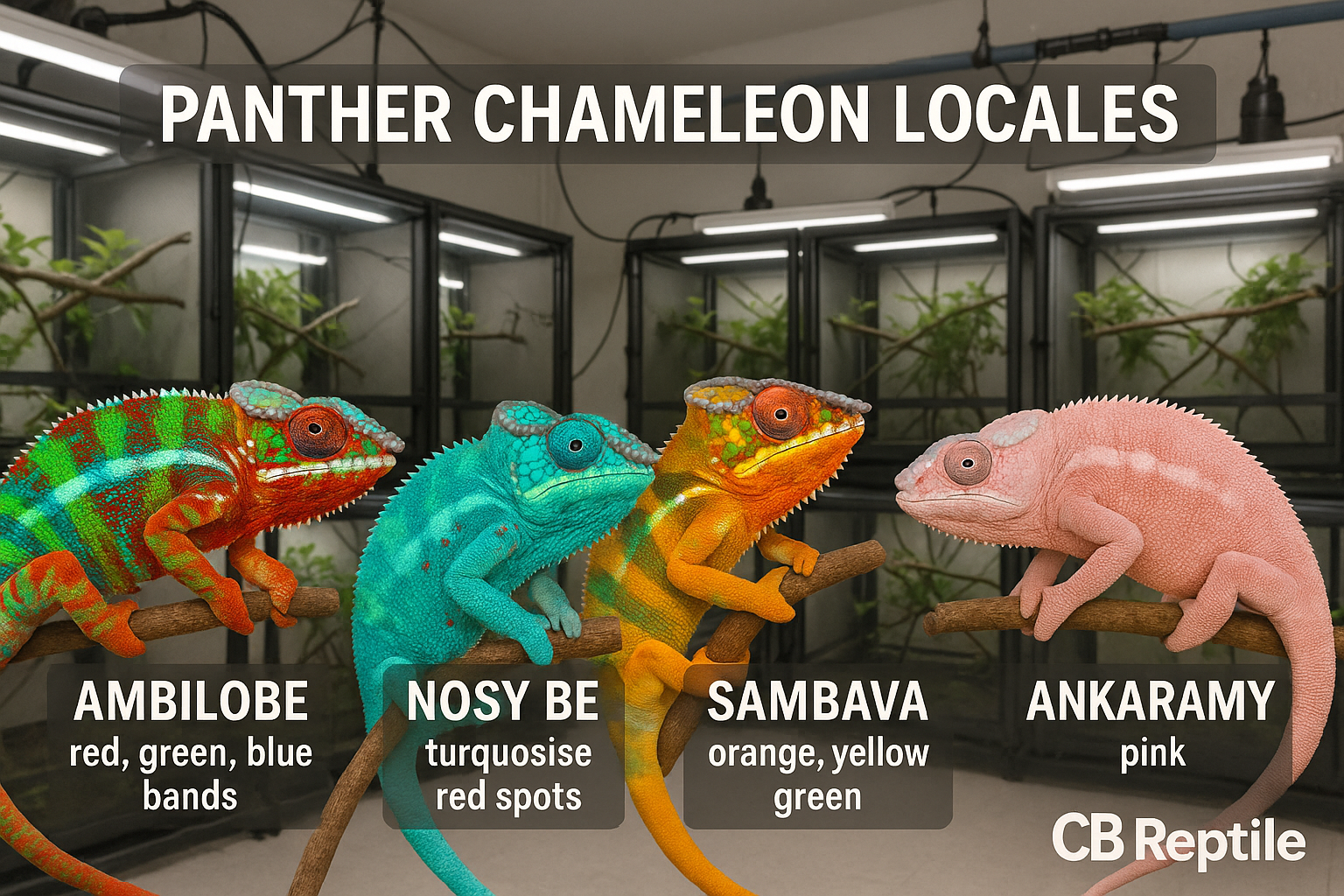
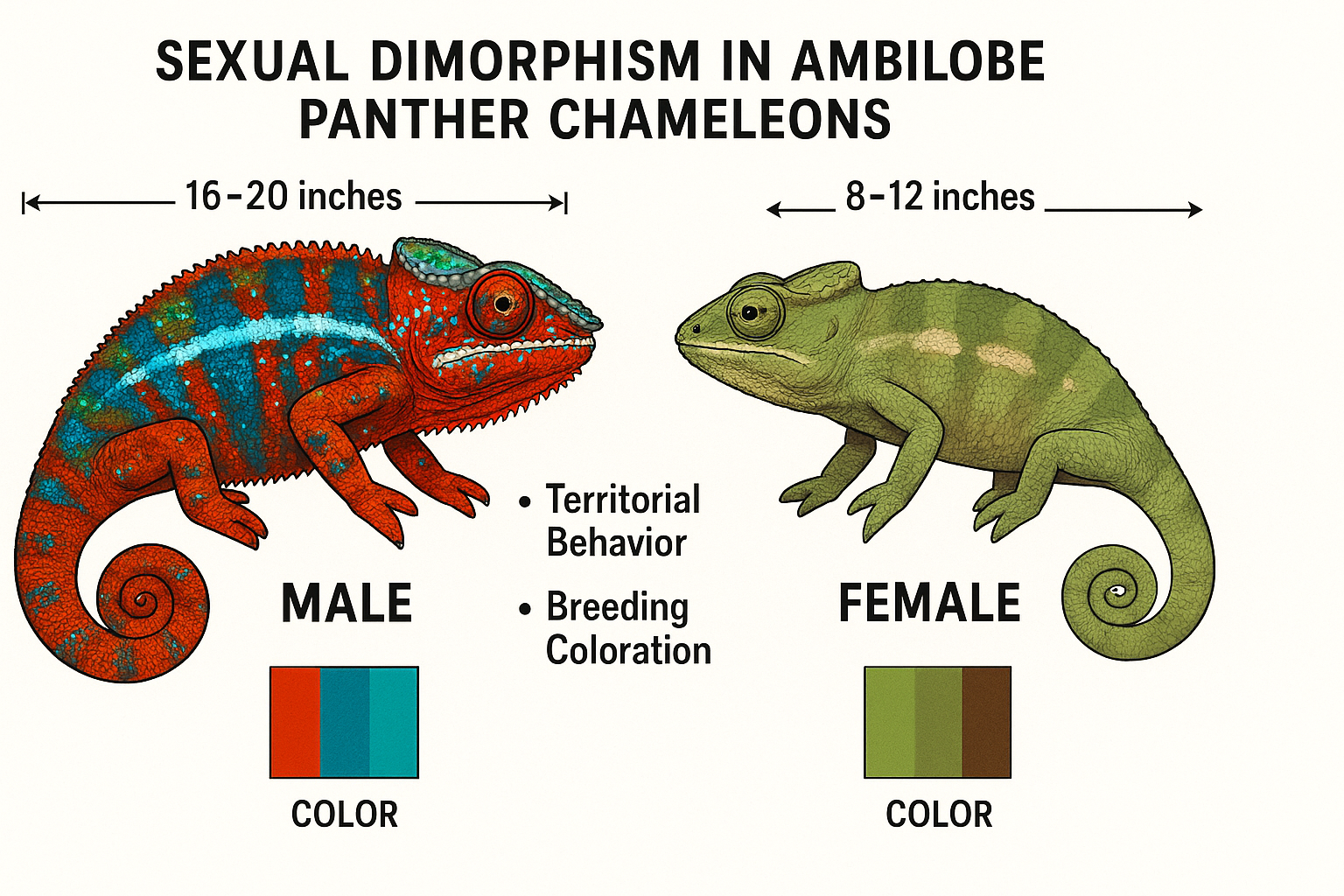
Ambilobe Locale: Known for their spectacular red, orange, and blue coloration, Ambilobe males are often considered the most vibrant of all panther chameleon locales. Their colors tend to be more saturated and contrasting, making them highly sought after by collectors.

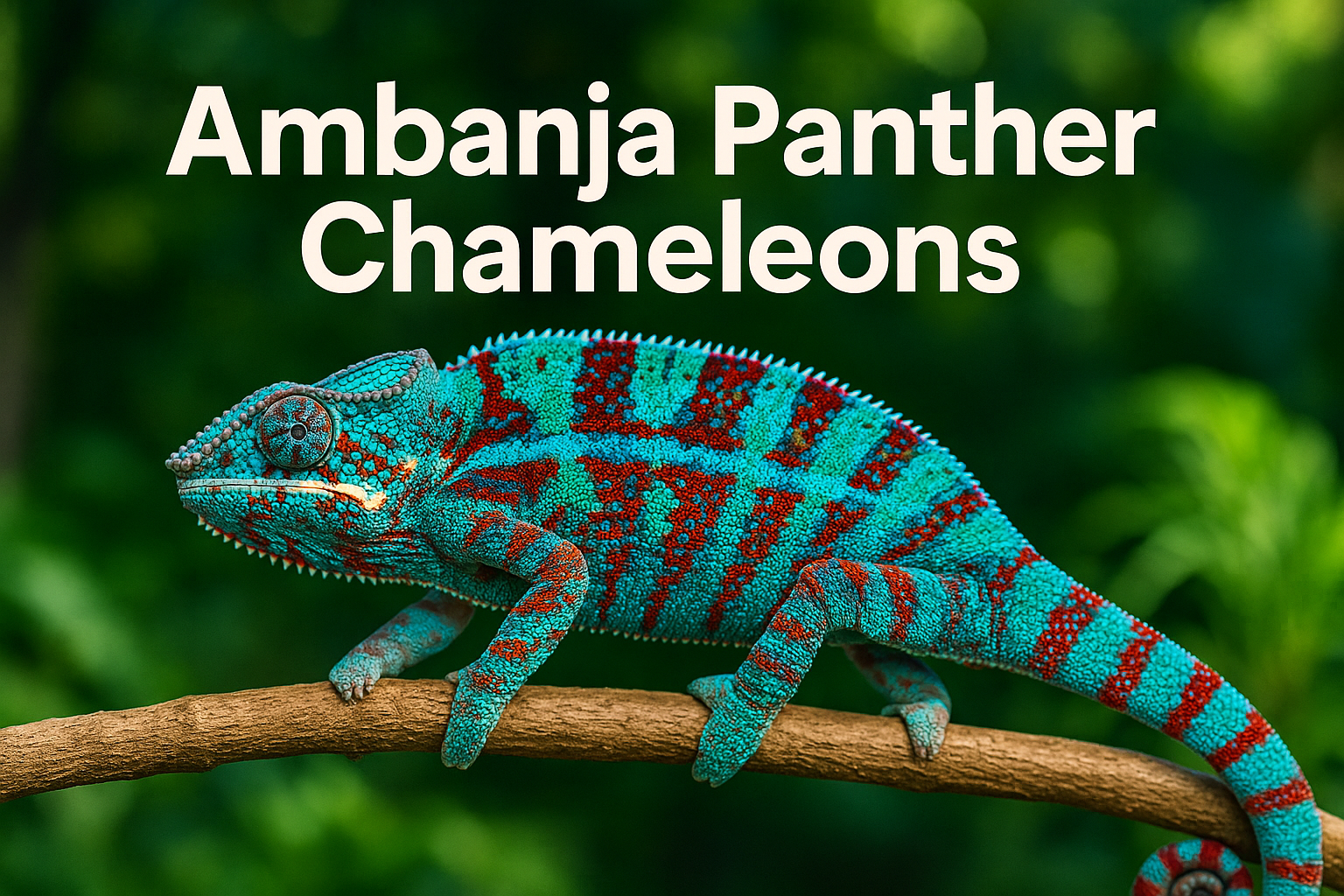
Ambanja Locale: These chameleons typically display beautiful blue and green base colors with red or orange accents. They're known for their consistent coloration and relatively calm temperaments.

Nosy Be Locale: Often called "blue panthers," these chameleons showcase stunning turquoise and emerald coloration with minimal red pigmentation. They're generally smaller than mainland locales but equally striking.

Sambava and Antalaha Locales: These eastern coast populations often display more muted but elegant coloration patterns, with emphasis on greens and subtle orange highlights.

When selecting chameleons from reputable panther chameleon breeders, understanding these locale differences helps ensure you're getting authentic, well-documented bloodlines that will display the expected coloration patterns as they mature.

Sexual Dimorphism and Development

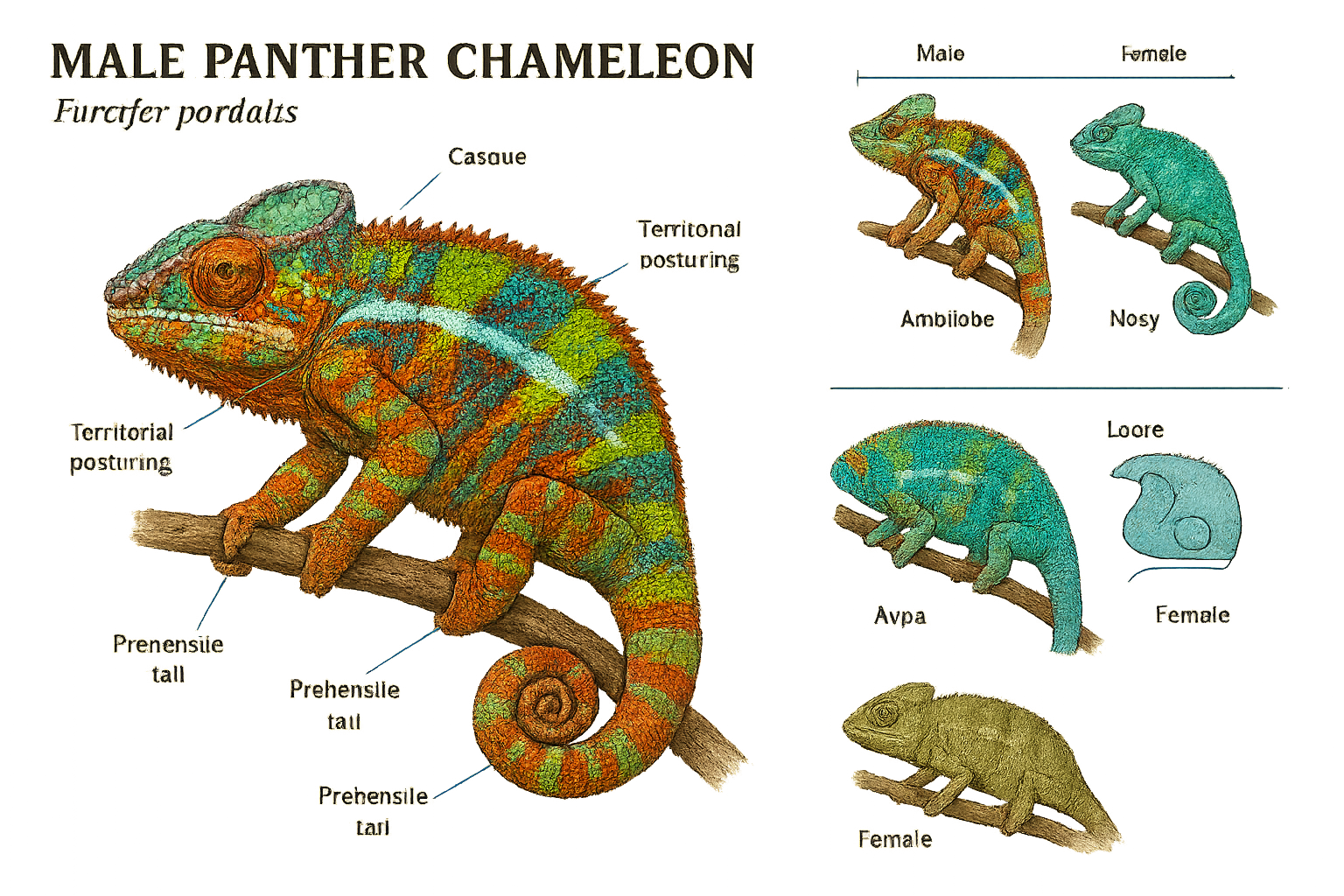
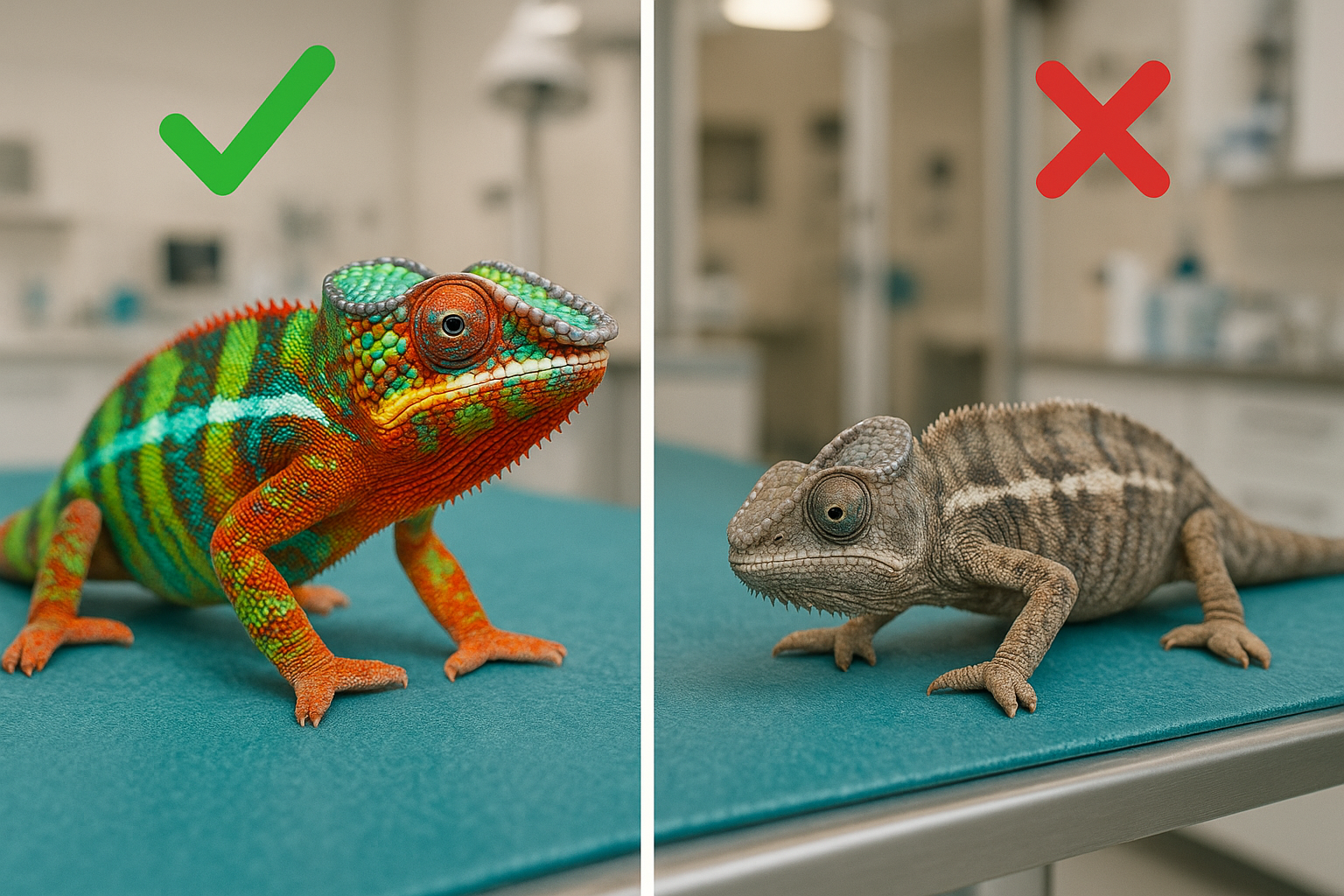
Male panther chameleons are significantly larger and more colorful than females, reaching lengths of 17-20 inches compared to females' 12-14 inches. This dramatic sexual dimorphism affects every aspect of their care, from housing requirements to nutritional needs. Males develop their full coloration by 9-12 months of age, while females maintain more subdued browns and oranges throughout their lives.

Understanding these biological foundations is crucial for anyone serious about raising panther chameleons successfully. The species' complex needs reflect their evolutionary adaptations to Madagascar's unique ecosystems, and replicating these conditions in captivity requires careful attention to detail and ongoing commitment to proper husbandry practices.

Essential Housing and Habitat Setup for Raising Panther Chameleons

Creating the perfect environment is the cornerstone of successful panther chameleon husbandry. These arboreal specialists require carefully designed habitats that accommodate their natural behaviors while providing the environmental gradients essential for their health and wellbeing.

Enclosure Specifications and Design

Adult male panther chameleons require minimum enclosure dimensions of 4 feet tall by 2 feet wide by 2 feet deep, though larger is always better. Screen enclosures are absolutely essential, as they provide the necessary ventilation that prevents respiratory issues common in glass terrariums. The vertical orientation reflects their arboreal nature and allows for proper temperature and humidity gradients.

For those just starting their journey in raising panther chameleons, investing in quality terrarium setups from the beginning saves money and stress in the long run. Female panther chameleons can be housed in slightly smaller enclosures (3 feet tall minimum), but providing extra space is always beneficial for their physical and psychological health.

Temperature Management and Gradients

Proper temperature control is non-negotiable when raising panther chameleons. The basking spot should reach 95°F (35°C) at the top of the enclosure, with ambient temperatures gradually decreasing to 72-75°F at the bottom. This thermal gradient allows chameleons to thermoregulate naturally by moving between different temperature zones throughout the day.

Temperature Requirements by Zone:

  • Basking spot: 95°F (35°C)
  • Upper canopy: 80-85°F (27-29°C)
  • Mid-level: 75-80°F (24-27°C)
  • Lower level: 70-75°F (21-24°C)
  • Nighttime: 65-70°F (18-21°C)

Digital thermometers with remote probes should be placed at multiple levels within the enclosure to monitor these gradients accurately. Ceramic heat emitters or halogen bulbs work best for basking spots, as they provide the intense, directional heat that chameleons seek in nature.

Humidity Control and Misting Systems

Maintaining proper humidity levels is one of the most challenging aspects of panther chameleon care. Daytime humidity should range from 50-70%, while nighttime levels should increase to 75-100% to simulate natural dew formation. This dramatic daily fluctuation is crucial for proper hydration and respiratory health.

The Mist King system has become the gold standard for automated misting in chameleon husbandry. These systems can be programmed to deliver precise misting schedules that maintain proper humidity while allowing for necessary drying periods. A typical misting schedule includes:

  • Morning misting: 2-3 minutes at dawn
  • Midday misting: 30-60 seconds (if needed)
  • Afternoon misting: 2-3 minutes in late afternoon
  • Evening misting: 1-2 minutes before lights out

Manual misting with room-temperature water can supplement automated systems, but consistency is key. Many keepers find that combining automated misting with occasional hand-misting sessions helps maintain optimal humidity while allowing for behavioral observation.

Lighting Requirements: UVB and Photoperiod

UVB lighting is absolutely essential for panther chameleons to synthesize vitamin D3 and prevent Metabolic Bone Disease (MBD). A 12-hour photoperiod using high-quality UVB bulbs (5.0-10.0 UVB strength) should be maintained year-round. The UVB bulb should be positioned 6-12 inches from the basking spot, depending on the bulb's strength and manufacturer recommendations.

Replace UVB bulbs every 6-12 months, even if they still produce visible light, as UVB output degrades over time. Many experienced keepers maintain detailed records of bulb replacement dates to ensure their chameleons receive consistent UVB exposure.

Plant Selection and Enrichment

Live plants serve multiple functions in panther chameleon enclosures, providing humidity, visual barriers, and climbing opportunities. Safe plant options include:

  • Pothos (Epipremnum aureum): Hardy, fast-growing, excellent for humidity
  • Ficus benjamina: Provides dense foliage and sturdy branches
  • Schefflera: Offers varied perching opportunities
  • Hibiscus: Provides edible flowers and attractive foliage
  • Dracaena: Adds vertical structure and visual interest

Avoid plants treated with pesticides or fertilizers, and always research plant safety before introduction. Many successful keepers source their plants from reptile specialty suppliers who guarantee pesticide-free cultivation.

Creating an environment that supports natural behaviors while meeting all physiological needs requires patience and attention to detail. However, the reward of watching a healthy panther chameleon display its full range of colors and behaviors in a properly designed habitat makes every effort worthwhile. For those seeking quality chameleons to house in these carefully prepared environments, working with established chameleon breeders ensures you're starting with healthy, well-socialized animals.

Nutrition and Feeding Protocols for Optimal Health

Proper nutrition forms the foundation of successful panther chameleon husbandry, requiring a sophisticated understanding of their dietary needs, feeding schedules, and supplementation protocols. These insectivorous reptiles have evolved to consume a diverse array of prey items, and replicating this variety in captivity is essential for their long-term health and vitality.

Age-Appropriate Feeding Schedules

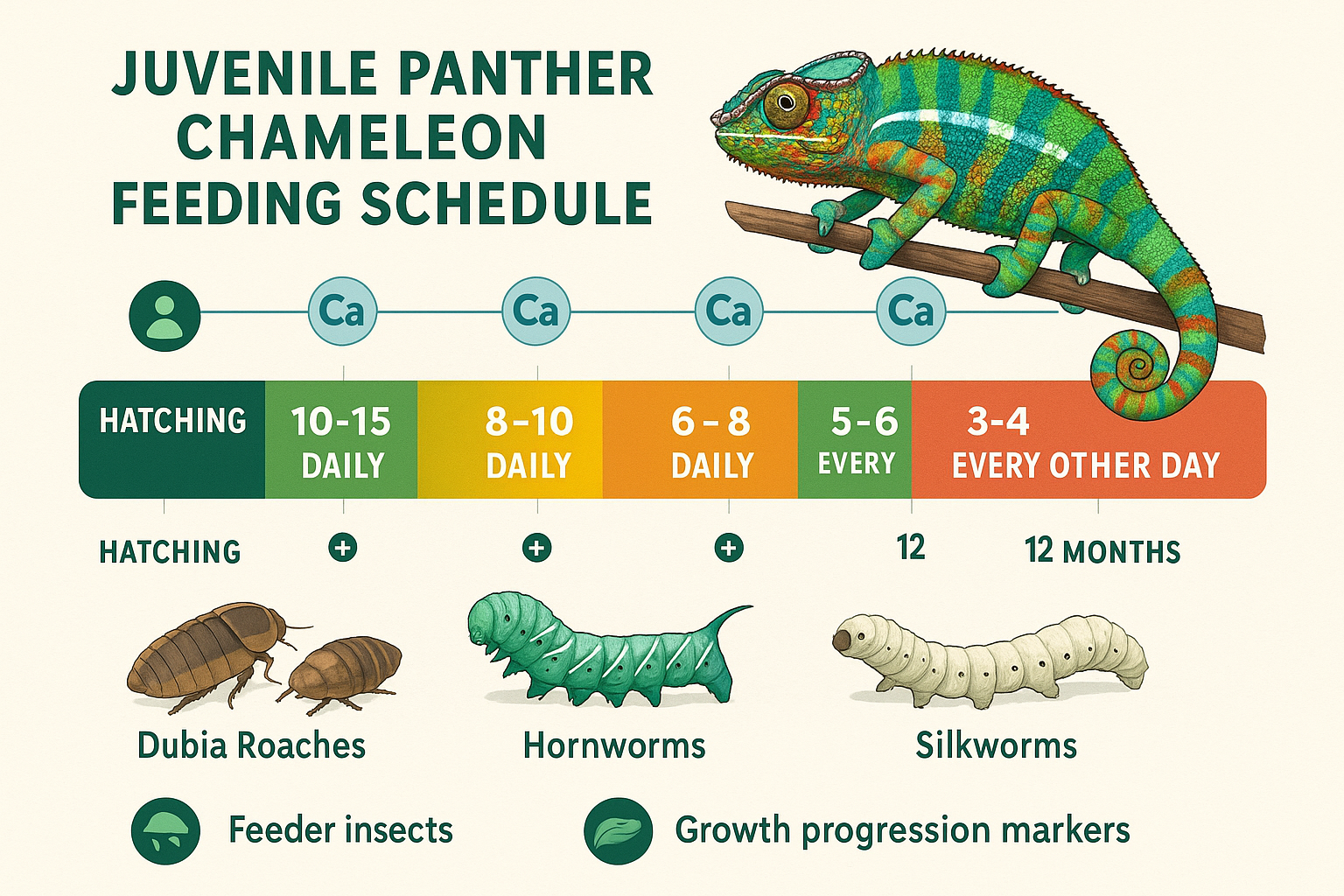
The feeding requirements for panther chameleons change dramatically as they mature, reflecting their natural growth patterns and metabolic needs. Hatchling panther chameleons should receive food within 24 hours of hatching and require almost constant access to appropriately sized prey items. During this critical growth phase, food should be available throughout most of the day to support their rapid development.

Juvenile chameleons (0-9 months) require daily feeding with approximately 15 insects per day to meet their protein and energy demands during this period of explosive growth. This intensive feeding schedule supports proper bone development, organ formation, and the energy requirements of their active lifestyle.

Adult chameleons (9+ months) transition to a more sustainable feeding schedule of 4-5 times per week with 8-10 insects per feeding. This reduction prevents obesity while maintaining proper body condition and reproductive health. Many experienced keepers find that maintaining feeding logs helps track consumption patterns and identify potential health issues early.

Feeder Insect Selection and Variety

Diversity in prey selection is crucial when raising panther chameleons, as different insects provide varying nutritional profiles and enrichment opportunities. Primary feeder insects should include:

Crickets: The staple of most chameleon diets, crickets provide excellent protein content and are readily accepted by most individuals. They should be gut-loaded for 24-48 hours before feeding to maximize their nutritional value.

Dubia Roaches: These nutrient-dense feeders offer superior protein-to-fat ratios compared to crickets and are less likely to carry parasites. Their soft exoskeletons make them easily digestible for chameleons of all ages.

Black Soldier Fly Larvae: Rich in calcium and healthy fats, these larvae are particularly valuable for growing juveniles and gravid females. Their natural calcium content helps support bone health and egg development.

Hornworms and Silkworms: These soft-bodied caterpillars provide excellent hydration and are particularly useful during shed cycles or for chameleons recovering from illness. However, they should be fed sparingly due to their high water content.

Grasshoppers and Locusts: Wild-caught or commercially raised grasshoppers offer excellent exercise opportunities as chameleons hunt these active prey items. Ensure any wild-caught insects come from pesticide-free areas.

Supplementation Protocols: The Key to Long-Term Health

Proper supplementation is perhaps the most critical aspect of panther chameleon nutrition, as captive diets cannot replicate the mineral diversity available in wild prey. A systematic approach to supplementation prevents common health issues like Metabolic Bone Disease (MBD) and ensures optimal growth and reproduction.

Calcium Supplementation: Every feeding should include lightly dusted (not caked) calcium supplementation using high-quality products like Arcadia EarthPro-A. The insects should appear lightly powdered, not heavily coated, as excess supplementation can be as harmful as deficiency.

Calcium Plus Magnesium: Every fourth feeding should include a calcium supplement that also contains magnesium to ensure proper mineral balance. This combination supports not only bone health but also proper muscle function and neurological development.

Vitamin D3 Supplementation: Every eighth feeding (approximately twice monthly) should include vitamin D3 supplementation using products like Arcadia EarthPro RevitaliseD3. This schedule assumes proper UVB lighting; chameleons without adequate UVB may require more frequent D3 supplementation under veterinary guidance.

Gut-Loading: Maximizing Nutritional Value

The practice of gut-loading transforms ordinary feeder insects into nutritional powerhouses. All feeder insects should be provided with nutritious, species-appropriate food and water for 24-48 hours before being offered to chameleons. This process ensures that the insects' digestive systems are filled with valuable nutrients that will be transferred to your chameleon.

Effective gut-loading foods include:

  • High-quality commercial gut-loading diets
  • Fresh vegetables (carrots, sweet potatoes, squash)
  • Leafy greens (collard greens, mustard greens)
  • Fruits in moderation (apples, oranges)
  • Whole grains (oats, wheat bran)

Avoid feeding insects low-quality foods like potato peels or iceberg lettuce, as these provide minimal nutritional value. The goal is to create "living vitamin pills" that deliver maximum nutrition with every feeding.

Hydration and Water Sources

While panther chameleons rarely drink from standing water sources, proper hydration remains essential for their health. Most chameleons obtain water from droplets on leaves created by morning dew or rainfall. In captivity, this natural behavior is replicated through regular misting sessions and the provision of dripping water sources.

Dripping systems can be created using simple setups that allow water to drip slowly onto leaves, creating the movement that triggers chameleons' drinking response. Many keepers find that their chameleons have preferred drinking spots and will return to these locations regularly during misting sessions.

Monitoring hydration status involves observing urate color (should be white or slightly yellow) and skin elasticity. Dehydrated chameleons often display sunken eyes and may show reduced appetite or activity levels.

For those seeking healthy, well-started chameleons that have been raised on proper nutrition protocols, reputable sources like CB Reptile provide animals that have been established on appropriate feeding schedules and supplementation regimens. This foundation makes the transition to your care much smoother and reduces the stress associated with dietary changes. Additionally, exploring quality reptiles for sale from established breeders ensures you're starting with animals that have received proper nutritional care from hatching.

Breeding and Reproduction Considerations

Professional breeding facility scene showing healthy adult male and female panther chameleons in separate enclosures, gravid female with vis

Breeding panther chameleons represents both the pinnacle of husbandry success and one of the most challenging aspects of raising panther chameleons. These remarkable reptiles have complex reproductive cycles that require precise environmental manipulation, careful genetic planning, and extensive preparation for the demanding process of egg incubation and hatchling care.

Sexual Maturity and Breeding Readiness

Male panther chameleons typically reach sexual maturity between 8-12 months of age, when they achieve their full adult coloration and begin displaying territorial behaviors. Females mature slightly earlier, often showing receptivity by 6-8 months, though breeding them before 12 months is generally discouraged to ensure proper physical development.

Signs of breeding readiness in males include:

  • Full development of adult coloration patterns
  • Increased territorial displays and color changes
  • Active patrolling of territory boundaries
  • Aggressive responses to visual stimuli (including their own reflection)

Female receptivity indicators:

  • Calm, pale coloration when approached by males
  • Acceptance of male presence without aggressive displays
  • Normal feeding behavior and body condition
  • Absence of gravid coloration patterns

Breeding Season and Environmental Triggers

In their native Madagascar, panther chameleons breed during the warmer months when food is abundant and environmental conditions are optimal. Captive breeding programs often manipulate photoperiod and temperature to trigger natural breeding behaviors, typically targeting spring and early summer for optimal success rates.

Environmental breeding triggers include:

  • Gradual increase in photoperiod (12-14 hours of light)
  • Slight temperature increases in basking areas
  • Increased humidity and misting frequency
  • Enhanced nutrition with varied prey items

Many successful breeders maintain detailed records of environmental conditions and breeding outcomes to refine their protocols over time. This data-driven approach helps identify the most effective triggers for their specific bloodlines and environmental conditions.

Gravid Female Care and Egg-Laying

Once successfully mated, female panther chameleons undergo a dramatic transformation as they develop eggs. Gravid females require specialized care that differs significantly from standard husbandry protocols. The gestation period typically lasts 30-45 days, during which females display characteristic gravid coloration—often bright oranges and blacks that signal their reproductive status.

Gravid female care requirements:

  • Enhanced nutrition: Increase feeding frequency and calcium supplementation
  • Egg-laying site: Provide deep substrate (12+ inches) of sand/soil mixture
  • Privacy: Reduce handling and visual stress to minimum levels
  • Temperature stability: Maintain consistent temperatures to prevent egg binding
  • Hydration: Ensure adequate moisture without creating overly humid conditions

The egg-laying process is physically demanding and can take several hours to complete. Females may dig multiple test holes before selecting the final nesting site. Once laying begins, it's crucial to avoid disturbances that could interrupt the process and potentially cause egg binding—a life-threatening condition requiring immediate veterinary intervention.

Incubation Protocols and Hatchling Care

Panther chameleon eggs require precise incubation conditions to develop successfully. The incubation period typically ranges from 6-9 months, depending on temperature and humidity conditions. Optimal incubation parameters include:

  • Temperature: 72-78°F (22-26°C) with minimal fluctuation
  • Humidity: 75-85% relative humidity
  • Substrate: Vermiculite or perlite-based medium
  • Air circulation: Gentle ventilation to prevent stagnation

Many breeders use commercial incubators designed for reptile eggs, which provide precise temperature and humidity control throughout the extended incubation period. Regular monitoring and record-keeping help identify potential issues before they become critical.

Hatchling chameleons are remarkably small and delicate, requiring immediate access to appropriate prey items and carefully controlled environmental conditions. They should be housed individually in small enclosures with the same environmental parameters as adults but scaled to their diminutive size.

Genetic Considerations and Line Breeding

Responsible breeding programs focus on maintaining genetic diversity while preserving the distinctive characteristics of specific locales. Line breeding involves carefully planned crosses that enhance desirable traits while avoiding the negative effects of inbreeding. Successful breeders maintain detailed genealogical records spanning multiple generations to guide their breeding decisions.

Important genetic considerations:

  • Locale purity: Maintaining distinct geographic bloodlines
  • Color intensity: Selecting for vibrant, well-defined patterns
  • Size and vigor: Prioritizing healthy growth and robust constitution
  • Temperament: Breeding animals with calm, manageable dispositions

Working with established panther chameleon for sale programs provides access to well-documented bloodlines with known genetic backgrounds. This foundation is essential for anyone considering breeding projects, as it ensures genetic diversity and reduces the risk of inherited health issues.

Economic Considerations and Market Realities

Breeding panther chameleons requires significant financial investment in equipment, facilities, and ongoing care costs. The extended incubation period means that breeders must maintain eggs for 6-9 months before seeing any return on their investment. Additionally, not all eggs will hatch successfully, and not all hatchlings will survive to saleable size.

Current market pricing for captive-bred panther chameleons reflects the complexity and costs involved in successful breeding programs:

  • Female babies: $250
  • Female juveniles: $400
  • Female young adults: $550
  • Male babies: $399
  • Male juveniles: $499
  • Male young adults: $599-$699

These prices reflect the extensive care requirements, lengthy development periods, and expertise needed to produce healthy, well-socialized animals. When compared to the costs of proper setup, feeding, and veterinary care, breeding panther chameleons is rarely profitable and is typically pursued for conservation purposes or personal satisfaction rather than financial gain.

For those interested in acquiring breeding-quality animals, working with reputable sources ensures access to healthy, genetically diverse stock that forms the foundation of successful breeding programs. The investment in quality breeding animals pays dividends in the health and vigor of offspring, making it a crucial consideration for serious breeding endeavors.

Health Management and Common Issues

Maintaining optimal health in panther chameleons requires a proactive approach that combines preventive care, early problem recognition, and access to qualified veterinary support. These sensitive reptiles can develop health issues quickly, making regular monitoring and prompt intervention essential components of successful raising panther chameleons programs.

Preventive Health Protocols

The foundation of chameleon health management lies in consistent preventive care that addresses their unique physiological needs. Regular health assessments should be conducted weekly, examining key indicators that can reveal developing problems before they become critical.

Weekly health checklist includes:

  • Eye condition: Clear, bright eyes that move independently without discharge
  • Skin quality: Proper shedding cycles and absence of retained shed
  • Body weight: Consistent weight maintenance appropriate for age and sex
  • Appetite patterns: Regular feeding response and normal hunting behaviors
  • Urate quality: White or pale yellow urates indicating proper hydration
  • Activity levels: Normal climbing, basking, and territorial behaviors

Maintaining detailed health records helps identify subtle changes that might indicate developing issues. Many experienced keepers photograph their chameleons regularly to document normal appearance and track any changes over time.

Metabolic Bone Disease (MBD): Prevention and Recognition

Metabolic Bone Disease represents one of the most serious threats to captive chameleons and results from inadequate calcium absorption due to poor UVB lighting, improper supplementation, or dietary imbalances. MBD is largely preventable but can be devastating if allowed to progress.

Early MBD symptoms include:

  • Slight tremors in limbs or jaw
  • Reduced grip strength when climbing
  • Subtle changes in posture or gait
  • Decreased appetite or feeding response
  • Lethargy or reduced activity levels

Advanced MBD symptoms:

  • Visible bone deformities or curvature
  • Inability to support body weight
  • Seizures or neurological symptoms
  • Severe weakness or paralysis
  • Jaw deformities affecting feeding ability

Prevention involves maintaining proper UVB lighting schedules, consistent supplementation protocols, and regular veterinary monitoring. Any suspected MBD symptoms require immediate veterinary attention, as early intervention can prevent permanent damage.

Respiratory Issues and Environmental Factors

Respiratory infections are common in chameleons housed in inappropriate environments, particularly those with poor ventilation or excessive humidity without proper drying periods. These infections can progress rapidly and become life-threatening if not addressed promptly.

Respiratory infection symptoms:

  • Open-mouth breathing or wheezing sounds
  • Excessive mucus or discharge from mouth/nose
  • Reduced activity and appetite
  • Unusual positioning (head elevated while sleeping)
  • Color changes indicating stress or discomfort

Prevention strategies include:

  • Maintaining proper ventilation in screen enclosures
  • Ensuring appropriate humidity cycles with drying periods
  • Avoiding glass terrariums that trap stagnant air
  • Regular cleaning and disinfection of enclosure components
  • Quarantine protocols for new animals

Parasitic Infections and Fecal Monitoring

Both internal and external parasites can affect captive chameleons, making regular fecal examinations an important component of health management. Annual fecal examinations by qualified veterinarians can detect parasitic infections before they cause clinical symptoms.

Common parasitic issues include:

  • Coccidia: Intestinal parasites that can cause diarrhea and weight loss
  • Nematodes: Roundworms that may be visible in fecal samples
  • External mites: Tiny parasites that appear as moving specks on the skin

Working with reptile-experienced veterinarians ensures access to appropriate diagnostic tools and treatment protocols. Many keepers maintain relationships with exotic veterinarians even before acquiring their chameleons, ensuring immediate access to care when needed.

Stress Management and Environmental Enrichment

Chronic stress can compromise immune function and predispose chameleons to various health issues. Understanding and minimizing stress factors is crucial for maintaining long-term health and wellbeing.

Common stress factors include:

  • Inadequate hiding spots or visual barriers
  • Inappropriate temperature or humidity levels
  • Excessive handling or human interaction
  • Presence of other chameleons within visual range
  • Inadequate enclosure size or poor design
  • Inconsistent lighting or feeding schedules

Stress reduction strategies:

  • Providing adequate visual barriers and hiding spots
  • Maintaining consistent daily routines
  • Minimizing unnecessary handling and disturbances
  • Ensuring proper enclosure design and environmental parameters
  • Avoiding overcrowding or housing multiple animals together

Emergency Preparedness and First Aid

Despite best efforts at preventive care, emergencies can occur that require immediate intervention. Emergency preparedness involves having appropriate supplies and knowledge to provide first aid while seeking veterinary care.

Emergency supply kit should include:

  • Contact information for reptile-experienced veterinarians
  • Digital scale for monitoring weight changes
  • Saline solution for wound cleaning
  • Small transport container for veterinary visits
  • Emergency heat source for power outages
  • Backup lighting and heating equipment

Common emergency situations:

  • Egg binding in gravid females requiring immediate veterinary intervention
  • Thermal burns from improper heating equipment placement
  • Dehydration from equipment failures or illness
  • Trauma from falls or enclosure hazards
  • Prolapse of reproductive or digestive organs

Understanding when situations require emergency veterinary care versus supportive home care can be life-saving. When in doubt, consulting with veterinary professionals is always the safest approach.

Veterinary Care and Professional Support

Establishing relationships with qualified exotic animal veterinarians before problems arise ensures access to appropriate care when needed. Annual wellness examinations can detect developing issues and provide opportunities to discuss husbandry practices and preventive care strategies.

Many reptile veterinarians offer consultation services for husbandry questions and can provide guidance on environmental modifications that support optimal health. This professional support is particularly valuable for new keepers who are still learning to recognize normal versus abnormal behaviors and conditions.

For those seeking healthy animals that have received appropriate veterinary care from the start, working with established breeders who prioritize health management provides significant advantages. Quality chameleon for sale programs include veterinary oversight and health guarantees that protect both the animals and their new owners.

The investment in proper health management pays dividends in the form of longer lifespans, better quality of life, and reduced emergency veterinary costs. By prioritizing preventive care and maintaining high husbandry standards, keepers can enjoy many years with their remarkable chameleon companions while contributing to the conservation of these magnificent species.

<!DOCTYPE html>
<html lang="en">
<head>
    <meta charset="UTF-8">
    <meta name="viewport" content="width=device-width, initial-scale=1.0">
    <title>Panther Chameleon Cost Calculator</title>
    <style>
        .cg-element-calculator {
            max-width: 600px;
            margin: 20px auto;
            padding: 25px;
            background: linear-gradient(135deg, #2c5530, #4a7c59);
            border-radius: 15px;
            box-shadow: 0 8px 25px rgba(0,0,0,0.15);
            font-family: 'Arial', sans-serif;
            color: white;
        }
        
        .cg-element-header {
            text-align: center;
            margin-bottom: 25px;
        }
        
        .cg-element-title {
            font-size: 24px;
            font-weight: bold;
            margin-bottom: 10px;
            color: #fff;
        }
        
        .cg-element-subtitle {
            font-size: 14px;
            opacity: 0.9;
            margin-bottom: 20px;
        }
        
        .cg-element-form-group {
            margin-bottom: 20px;
        }
        
        .cg-element-label {
            display: block;
            font-weight: bold;
            margin-bottom: 8px;
            font-size: 16px;
        }
        
        .cg-element-select, .cg-element-input {
            width: 100%;
            padding: 12px;
            border: none;
            border-radius: 8px;
            font-size: 16px;
            background: rgba(255,255,255,0.95);
            color: #333;
            box-sizing: border-box;
        }
        
        .cg-element-select:focus, .cg-element-input:focus {
            outline: none;
            box-shadow: 0 0 0 3px rgba(255,255,255,0.3);
        }
        
        .cg-element-results {
            background: rgba(255,255,255,0.1);
            padding: 20px;
            border-radius: 10px;
            margin-top: 25px;
            backdrop-filter: blur(10px);
        }
        
        .cg-element-price-display {
            text-align: center;
            font-size: 32px;
            font-weight: bold;
            color: #ffeb3b;
            margin-bottom: 15px;
            text-shadow: 2px 2px 4px rgba(0,0,0,0.3);
        }
        
        .cg-element-breakdown {
            display: grid;
            grid-template-columns: 1fr 1fr;
            gap: 15px;
            margin-top: 20px;
        }
        
        .cg-element-cost-item {
            background: rgba(255,255,255,0.1);
            padding: 12px;
            border-radius: 6px;
            text-align: center;
        }
        
        .cg-element-cost-label {
            font-size: 12px;
            opacity: 0.8;
            margin-bottom: 5px;
        }
        
        .cg-element-cost-value {
            font-size: 18px;
            font-weight: bold;
        }
        
        .cg-element-note {
            background: rgba(255,255,255,0.1);
            padding: 15px;
            border-radius: 8px;
            margin-top: 20px;
            font-size: 14px;
            line-height: 1.4;
        }
        
        @media (max-width: 480px) {
            .cg-element-calculator {
                margin: 10px;
                padding: 20px;
            }
            
            .cg-element-breakdown {
                grid-template-columns: 1fr;
            }
            
            .cg-element-price-display {
                font-size: 24px;
            }
        }
    </style>
</head>
<body>
    <div class="cg-element-calculator">
        <div class="cg-element-header">
            <h2 class="cg-element-title">🦎 Panther Chameleon Cost Calculator</h2>
            <p class="cg-element-subtitle">Calculate the total cost of purchasing and setting up your panther chameleon</p>
        </div>
        
        <form id="cg-element-cost-form">
            <div class="cg-element-form-group">
                <label class="cg-element-label" for="gender">Gender:</label>
                <select class="cg-element-select" id="gender" required>
                    <option value="">Select Gender</option>
                    <option value="male">Male</option>
                    <option value="female">Female</option>
                </select>
            </div>
            
            <div class="cg-element-form-group">
                <label class="cg-element-label" for="age">Age Category:</label>
                <select class="cg-element-select" id="age" required>
                    <option value="">Select Age</option>
                    <option value="baby">Baby</option>
                    <option value="juvenile">Juvenile</option>
                    <option value="young-adult">Young Adult</option>
                </select>
            </div>
            
            <div class="cg-element-form-group">
                <label class="cg-element-label" for="setup">Include Setup Costs?</label>
                <select class="cg-element-select" id="setup">
                    <option value="no">Chameleon Only</option>
                    <option value="basic">Basic Setup ($400-600)</option>
                    <option value="premium">Premium Setup ($800-1200)</option>
                </select>
            </div>
            
            <div class="cg-element-form-group">
                <label class="cg-element-label" for="shipping">Shipping:</label>
                <select class="cg-element-select" id="shipping">
                    <option value="0">Local Pickup</option>
                    <option value="50">Standard Shipping ($50)</option>
                    <option value="75">Express Shipping ($75)</option>
                </select>
            </div>
        </form>
        
        <div class="cg-element-results" id="results" style="display: none;">
            <div class="cg-element-price-display" id="total-cost">$0</div>
            
            <div class="cg-element-breakdown">
                <div class="cg-element-cost-item">
                    <div class="cg-element-cost-label">Chameleon Price</div>
                    <div class="cg-element-cost-value" id="chameleon-cost">$0</div>
                </div>
                <div class="cg-element-cost-item">
                    <div class="cg-element-cost-label">Setup Cost</div>
                    <div class="cg-element-cost-value" id="setup-cost">$0</div>
                </div>
                <div class="cg-element-cost-item">
                    <div class="cg-element-cost-label">Shipping Cost</div>
                    <div class="cg-element-cost-value" id="shipping-cost">$0</div>
                </div>
                <div class="cg-element-cost-item">
                    <div class="cg-element-cost-label">Monthly Care</div>
                    <div class="cg-element-cost-value">$25-40</div>
                </div>
            </div>
            
            <div class="cg-element-note">
                <strong>Note:</strong> Prices include captive-bred animals from reputable breeders. Setup costs include enclosure, lighting, heating, misting system, and initial supplies. Monthly care costs cover food, supplements, and utilities.
            </div>
        </div>
    </div>

    <script>
        const pricing = {
            male: {
                baby: 399,
                juvenile: 499,
                'young-adult': 649 // Average of 599-699
            },
            female: {
                baby: 250,
                juvenile: 400,
                'young-adult': 550
            }
        };
        
        const setupCosts = {
            no: 0,
            basic: 500, // Average of 400-600
            premium: 1000 // Average of 800-1200
        };
        
        function calculateCost() {
            const gender = document.getElementById('gender').value;
            const age = document.getElementById('age').value;
            const setup = document.getElementById('setup').value;
            const shipping = parseInt(document.getElementById('shipping').value);
            
            if (!gender || !age) {
                document.getElementById('results').style.display = 'none';
                return;
            }
            
            const chameleonPrice = pricing[gender][age];
            const setupPrice = setupCosts[setup];
            const shippingPrice = shipping;
            const totalCost = chameleonPrice + setupPrice + shippingPrice;
            
            document.getElementById('chameleon-cost').textContent = `$${chameleonPrice}`;
            document.getElementById('setup-cost').textContent = setup === 'no' ? '$0' : `$${setupPrice}`;
            document.getElementById('shipping-cost').textContent = `$${shippingPrice}`;
            document.getElementById('total-cost').textContent = `$${totalCost}`;
            
            document.getElementById('results').style.display = 'block';
        }
        
        // Add event listeners
        document.getElementById('gender').addEventListener('change', calculateCost);
        document.getElementById('age').addEventListener('change', calculateCost);
        document.getElementById('setup').addEventListener('change', calculateCost);
        document.getElementById('shipping').addEventListener('change', calculateCost);
    </script>
</body>
</html>

Advanced Care Topics and Troubleshooting

As keepers gain experience in raising panther chameleons, they often encounter complex situations that require advanced knowledge and problem-solving skills. These challenging scenarios separate novice keepers from experienced herpetologists and often determine the long-term success of captive breeding programs and individual animal welfare.

Seasonal Care Adjustments and Photoperiod Management

Panther chameleons retain strong circadian rhythms that respond to seasonal changes in photoperiod, even in captive environments. Advanced keepers manipulate lighting schedules to simulate natural seasonal variations, which can improve breeding success, maintain natural behaviors, and support overall health.

Seasonal lighting adjustments include:

  • Spring: Gradual increase from 10 to 14 hours of light daily
  • Summer: Maintain 12-14 hours peak photoperiod
  • Fall: Gradual reduction to 10-12 hours daily
  • Winter: Minimum 8-10 hours for maintenance metabolism

These adjustments should be implemented gradually over 2-3 weeks to avoid shocking the animals' systems. Many experienced keepers use programmable timers that automatically adjust photoperiods throughout the year, maintaining consistency while reducing daily management requirements.

Behavioral Enrichment and Psychological Wellbeing

Psychological enrichment plays a crucial role in maintaining healthy, well-adjusted chameleons that display natural behaviors and maintain strong immune function. Captive environments can become monotonous without deliberate efforts to provide mental stimulation and behavioral opportunities.

Effective enrichment strategies include:

  • Rotating perch configurations monthly to encourage exploration
  • Varying prey presentation methods to stimulate hunting behaviors
  • Environmental complexity through strategic plant placement and hiding spots
  • Controlled visual stimulation through carefully managed exposure to outdoor environments
  • Seasonal environmental changes that mirror natural habitat variations

Advanced keepers often maintain detailed behavioral logs that track activity patterns, feeding responses, and social behaviors. This data helps identify individual preferences and optimize environmental conditions for each animal's specific needs.

Quarantine Protocols and Disease Prevention

Comprehensive quarantine procedures are essential for preventing disease transmission in collections and ensuring the health of new acquisitions. Professional-level quarantine extends far beyond simple isolation and involves systematic health monitoring and diagnostic testing.

Advanced quarantine protocol includes:

  • Minimum 90-day isolation in dedicated quarantine facilities
  • Fecal examinations at 30, 60, and 90 days
  • Complete physical examinations by qualified veterinarians
  • Photographic documentation of normal appearance and behaviors
  • Gradual environmental adjustment to match permanent housing conditions

Quarantine facilities should be completely separate from main collections, with dedicated equipment, separate air circulation, and strict hygiene protocols. Many serious keepers maintain quarantine rooms that rival their main facilities in terms of environmental control and monitoring capabilities.

Genetic Record Keeping and Breeding Management

Serious breeding programs require meticulous genetic record keeping that tracks lineages across multiple generations. This documentation becomes increasingly important as breeding programs mature and genetic diversity must be carefully managed to prevent inbreeding depression.

Essential breeding records include:

  • Complete pedigree information for all breeding animals
  • Breeding dates and outcomes with detailed success rates
  • Egg development and hatching data for each clutch
  • Growth rates and development milestones for offspring
  • Health records and veterinary interventions throughout life cycles
  • Color development patterns and inheritance tracking

Modern breeding programs often use specialized software designed for reptile breeding that can generate breeding recommendations based on genetic diversity calculations and inbreeding coefficients. This technology helps maintain healthy populations while preserving desirable traits.

Advanced Environmental Monitoring and Automation

Professional-level environmental monitoring involves continuous data logging and automated responses to environmental changes. This technology reduces daily management requirements while providing precise control over critical parameters.

Advanced monitoring systems include:

  • Wireless sensor networks that track temperature and humidity continuously
  • Automated misting systems with weather station integration
  • Smart lighting controllers that adjust intensity and spectrum throughout the day
  • Emergency alert systems that notify keepers of equipment failures or parameter deviations
  • Data logging capabilities that track long-term trends and seasonal patterns

These systems represent significant investments but pay dividends in improved animal health, reduced labor requirements, and early problem detection. Many professional breeders consider advanced environmental control essential for maintaining large collections and achieving consistent breeding success.

Problem-Solving Common Advanced Issues

Experienced keepers encounter unique challenges that require creative solutions and deep understanding of chameleon biology. Advanced troubleshooting often involves identifying subtle environmental or behavioral factors that affect animal health and welfare.

Complex problem scenarios include:

  • Breeding females that consistently produce infertile eggs despite apparent successful matings
  • Males that display aggressive behaviors toward keepers or environmental stimuli
  • Chronic low-grade health issues that don't respond to standard treatments
  • Feeding strikes in otherwise healthy animals
  • Abnormal shedding patterns or color development issues

Solving these problems often requires systematic experimentation with environmental parameters, consultation with veterinary specialists, and collaboration with other experienced keepers. The reptile keeping community is generally supportive of knowledge sharing, and many complex problems have been solved through collaborative efforts.

Integration with Conservation Efforts

Many advanced keepers participate in conservation-oriented breeding programs that support wild population management and species preservation. These programs require additional commitments to genetic diversity, record keeping, and collaboration with zoological institutions.

Conservation breeding considerations include:

  • Maintaining maximum genetic diversity through careful breeding selections
  • Participating in studbook programs that track captive populations
  • Supporting field research through funding and specimen contributions
  • Educational outreach that promotes species conservation
  • Collaboration with zoos and research institutions on breeding and research projects

For those seeking animals suitable for conservation breeding programs, working with established facilities like CB Reptile provides access to well-documented bloodlines that contribute to species preservation efforts. These programs represent the highest level of responsible reptile keeping and require long-term commitments to animal welfare and species conservation.

The journey from basic husbandry to advanced chameleon management represents years of dedicated learning and experience. However, the rewards of successfully maintaining and breeding these remarkable animals while contributing to their conservation make every challenge worthwhile. For those ready to advance their skills, the chameleon keeping community offers abundant resources and support for continued learning and improvement.

Conclusion

Raising panther chameleons successfully requires dedication, knowledge, and a commitment to excellence that extends far beyond basic pet care. These magnificent creatures from Madagascar represent one of nature's most spectacular achievements in adaptive evolution, and providing them with appropriate care in captivity demands respect for their complex biological needs and natural behaviors.

Throughout this comprehensive guide, we've explored every aspect of panther chameleon husbandry, from the fundamental requirements of proper housing and environmental control to the advanced techniques used in professional breeding programs. The key to success lies in understanding that these animals are not simply colorful pets, but sophisticated reptiles with intricate physiological and psychological needs that must be met consistently over their 5-7 year lifespans.

The investment in proper equipment, quality animals from reputable panther chameleon breeders, and ongoing veterinary care represents a significant commitment. However, the rewards of watching a healthy panther chameleon display its full range of colors, engage in natural hunting behaviors, and potentially contribute to conservation breeding efforts make every aspect of this commitment worthwhile.

Your Next Steps

If you're ready to begin your journey in raising panther chameleons, consider these actionable steps:

  1. Prepare your environment first: Set up and test all equipment for at least two weeks before acquiring your chameleon, ensuring all systems function properly and environmental parameters remain stable.

  2. Connect with experienced keepers: Join reputable online communities and local herpetological societies where you can learn from experienced keepers and access ongoing support.

  3. Establish veterinary care: Locate and establish a relationship with a reptile-experienced veterinarian before you need their services, ensuring immediate access to professional care when required.

  4. Choose quality animals: Work with established chameleon breeders who provide health guarantees, genetic documentation, and ongoing support for new keepers.

  5. Commit to continuous learning: Stay current with advances in husbandry techniques, participate in educational opportunities, and maintain detailed records of your animals' health and behaviors.

The world of panther chameleon keeping offers endless opportunities for learning, personal satisfaction, and contribution to species conservation. Whether you're drawn to the challenge of breeding these remarkable animals or simply want to provide an exceptional home for a single chameleon, success comes from respecting their needs, maintaining high standards of care, and never stopping your education in their complex requirements.

Remember that every healthy, well-cared-for panther chameleon represents a small victory for conservation and responsible animal keeping. By following the guidelines outlined in this comprehensive guide and maintaining your commitment to excellence, you'll join the ranks of dedicated keepers who ensure these magnificent creatures continue to thrive in captivity while supporting their conservation in the wild.


SEO Meta Information:

Meta Title: Raising Panther Chameleons: Complete Care Guide 2025

Meta Description: Expert guide to raising panther chameleons covering housing, diet, breeding, health care, and advanced husbandry techniques for Madagascar's most colorful reptiles.
the best panther chameleon breeders

Finding the Best Panther Chameleon Breeders: Your Complete 2025 Guide

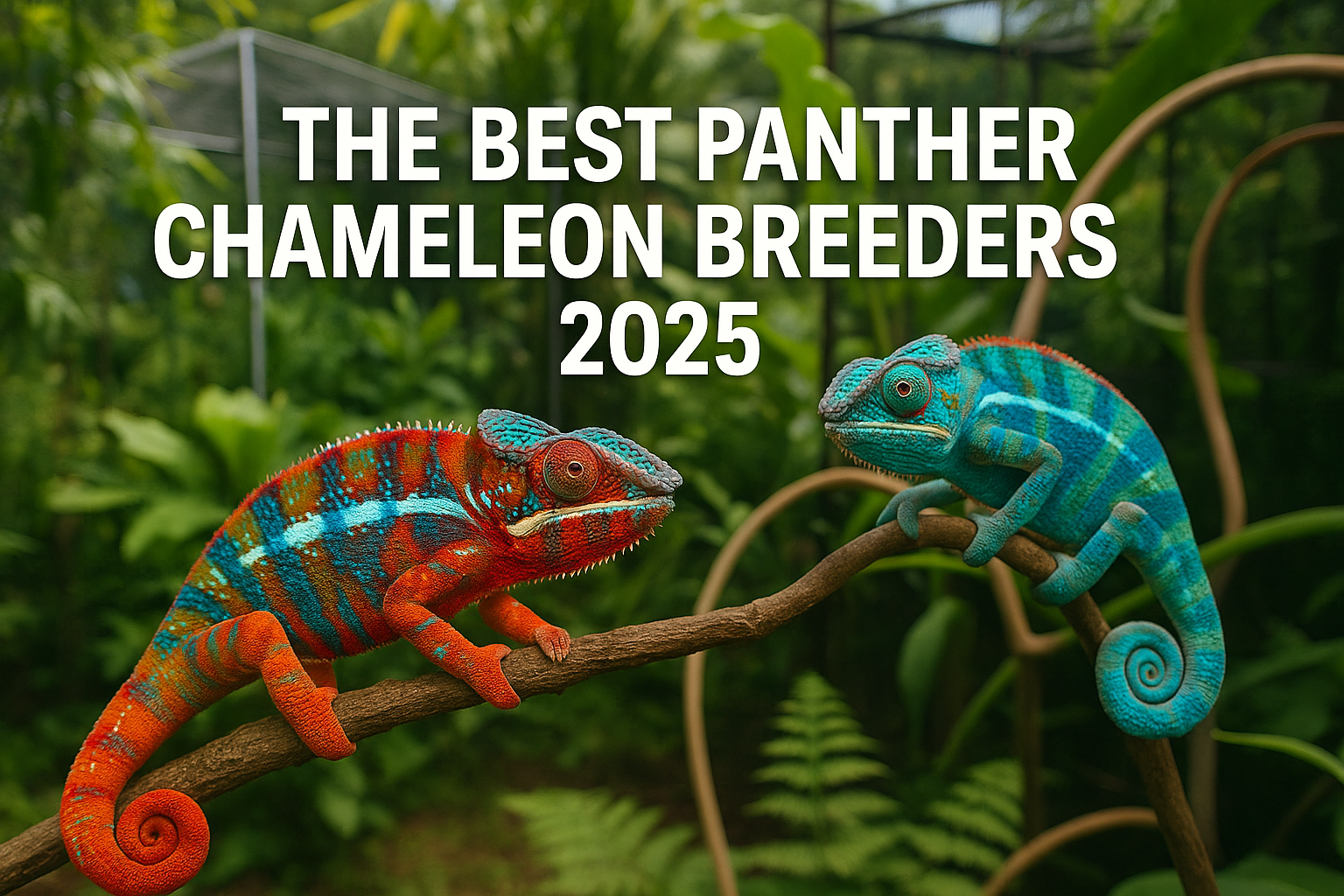
Professional landscape hero image (1536x1024) featuring vibrant panther chameleons in natural Madagascar habitat with bold text overlay 'The

Picture this: you're scrolling through countless reptile websites, overwhelmed by conflicting information about panther chameleon breeders, wondering if that "amazing deal" you found online is too good to be true. With the exotic pet industry booming and panther chameleons becoming increasingly popular, finding the best panther chameleon breeders has never been more crucial—or more challenging.

As someone who has spent years in the reptile community, I've witnessed both the joy of customers receiving healthy, vibrant chameleons from reputable breeders and the heartbreak of those who fell victim to unethical sellers. The difference between a thriving chameleon that lives 7-10 years and one that struggles with health issues often comes down to one critical decision: choosing the right breeder.

Key Takeaways

  • CB Reptile leads the industry as the #1 panther chameleon breeder, offering captive-bred specimens with competitive pricing and health guarantees
  • Locale variety matters: Top breeders offer multiple Madagascar locales including Ambilobe, Ambanja, Nosy Be, and Sambava with distinct color patterns
  • Pricing transparency is essential: Quality females range from $250-550 while males cost $399-699 depending on age and locale
  • Proper breeding facilities should maintain strict temperature (75-85°F), humidity (60-80%), and UVB lighting protocols
  • Health guarantees and lineage tracking separate professional breeders from backyard operations

What Makes the Best Panther Chameleon Breeders Stand Out

Detailed infographic showing top panther chameleon breeding facilities across the United States, featuring CB Reptile logo prominently, faci

When searching for the best panther chameleon breeders, several key factors distinguish industry leaders from amateur operations. Professional breeders invest heavily in proper facilities, maintain detailed breeding records, and prioritize animal welfare over quick profits.

Essential Breeder Qualifications 🏆

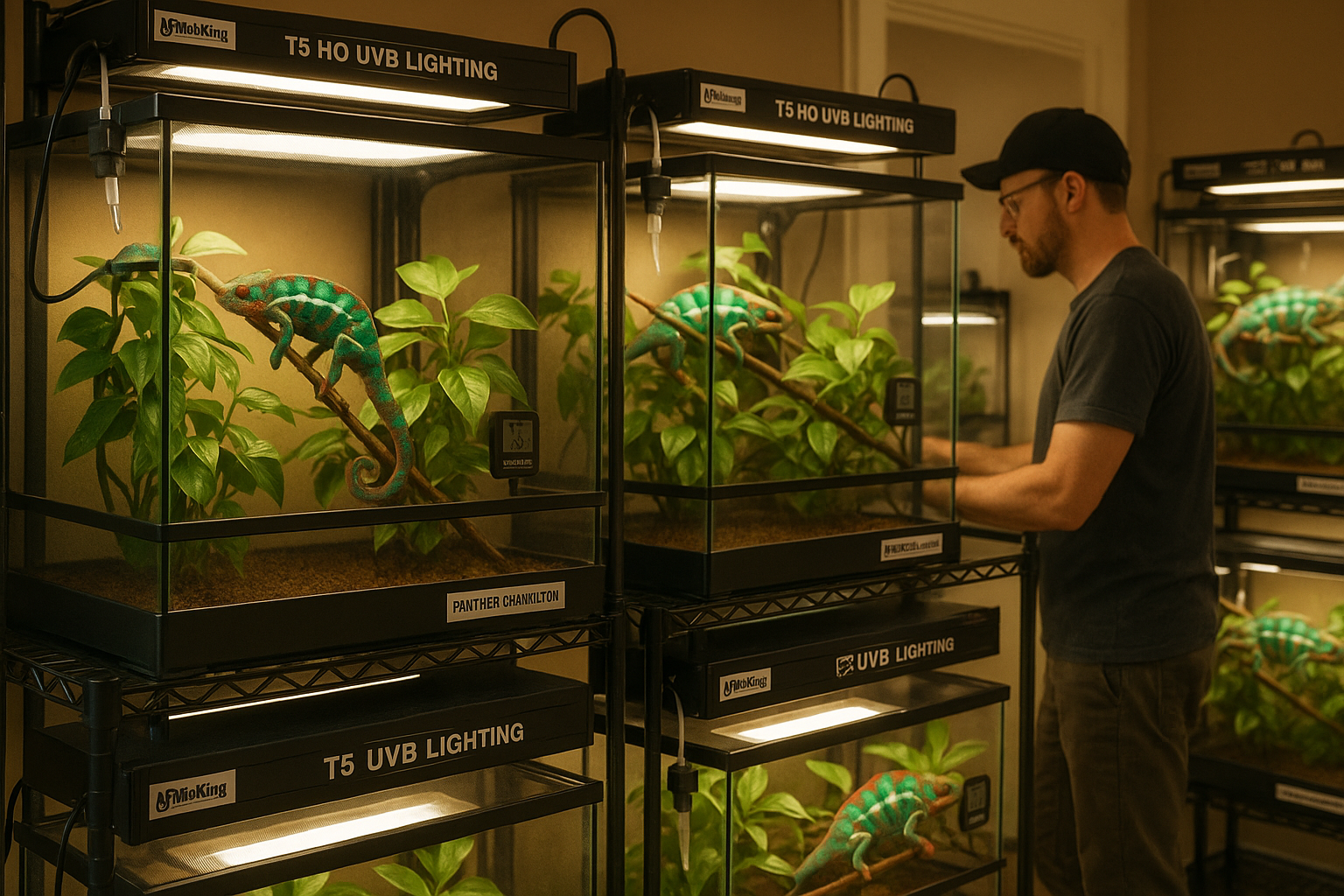
Facility Standards: Top-tier breeders operate climate-controlled facilities with individual enclosures for each animal. These setups include proper UVB lighting, automated misting systems like the MistKing, and quarantine areas for new arrivals.

Breeding Experience: The most reputable breeders have 10+ years of experience working specifically with panther chameleons. They understand the nuances of different locales and can provide detailed care guidance to new owners.

Health Protocols: Professional operations maintain veterinary relationships, conduct regular health screenings, and offer comprehensive health guarantees. Many also provide fecal parasite testing results with each animal.

Customer Support: Excellent breeders offer lifetime support, detailed care sheets, and are available to answer questions long after the sale. They genuinely care about the long-term success of their animals.

CB Reptile: The Gold Standard

CB Reptile has established itself as the premier chameleon breeder in the United States, setting industry standards that others strive to match. Their facility houses over 200 breeding animals across multiple locales, ensuring genetic diversity and consistent availability.

What sets CB Reptile apart:

  • Transparent Pricing: No hidden fees or surprise charges
  • Live Arrival Guarantee: 100% guarantee on all live animal shipments
  • Extensive Locale Selection: 8+ Madagascar locales available year-round
  • Professional Photography: Accurate representation of each animal's colors
  • Educational Resources: Comprehensive care guides and breeding information

Their breeding program focuses on maintaining pure locale genetics while selecting for vibrant coloration and robust health. Each animal receives individual attention, proper nutrition, and veterinary care from hatching to sale.

Understanding Panther Chameleon Locales and Pricing

Madagascar's diverse geography has created distinct panther chameleon populations, each with unique color patterns and characteristics. Understanding these locales is crucial when selecting both a breeder and your future pet.

Popular Locale Breakdown

Ambilobe Panther Chameleons 🔥
The most sought-after locale, Ambilobe males display incredible reds, oranges, and blues. Their vibrant coloration and relatively large size make them perfect for both beginners and experienced keepers. Ambilobe panther chameleons for sale typically command premium prices due to their stunning appearance.

Ambanja Panther Chameleons 💙
Known for their electric blue and green coloration, Ambanja males often display beautiful blue bars against green bodies. They're slightly smaller than Ambilobes but equally stunning. Their calm temperament makes them excellent display animals.

Nosy Be Panther Chameleons 🌊
These chameleons showcase brilliant blues and turquoises, often with minimal red coloration. Nosy Be males are prized for their consistent blue coloration and are often considered the most "true blue" of all locales.

Sambava Panther Chameleons 🌈
Featuring a mix of reds, oranges, and greens, Sambava males offer incredible variety within the locale. Each individual can display unique color combinations, making them highly sought after by collectors.

Current Market Pricing (2025)

Understanding fair market pricing helps identify both quality breeders and potential scams. Here's the current pricing structure from reputable breeders:

Female Panther Chameleons:

  • Baby (2-4 months): $250
  • Juvenile (4-8 months): $400
  • Young Adult (8-12 months): $550

Male Panther Chameleons:

  • Baby (2-4 months): $399
  • Juvenile (4-8 months): $499
  • Young Adult (8-12 months): $599-699

Premium locales like high-red Ambilobe or exceptional bloodlines may command higher prices. Be wary of prices significantly below these ranges, as they often indicate poor breeding conditions or health issues.

<!DOCTYPE html>
<html lang="en">
<head>
    <meta charset="UTF-8">
    <meta name="viewport" content="width=device-width, initial-scale=1.0">
    <title>Panther Chameleon Pricing Calculator</title>
    <style>
        .cg-element-calculator {
            max-width: 600px;
            margin: 20px auto;
            padding: 25px;
            background: linear-gradient(135deg, #667eea 0%, #764ba2 100%);
            border-radius: 15px;
            box-shadow: 0 10px 30px rgba(0,0,0,0.2);
            font-family: 'Arial', sans-serif;
            color: white;
        }
        .cg-element-title {
            text-align: center;
            font-size: 24px;
            font-weight: bold;
            margin-bottom: 25px;
            text-shadow: 2px 2px 4px rgba(0,0,0,0.3);
        }
        .cg-element-form-group {
            margin-bottom: 20px;
        }
        .cg-element-label {
            display: block;
            margin-bottom: 8px;
            font-weight: bold;
            font-size: 16px;
        }
        .cg-element-select {
            width: 100%;
            padding: 12px;
            border: none;
            border-radius: 8px;
            font-size: 16px;
            background: rgba(255,255,255,0.9);
            color: #333;
        }
        .cg-element-result {
            background: rgba(255,255,255,0.2);
            padding: 20px;
            border-radius: 10px;
            text-align: center;
            margin-top: 20px;
            backdrop-filter: blur(10px);
        }
        .cg-element-price {
            font-size: 36px;
            font-weight: bold;
            color: #ffeb3b;
            text-shadow: 2px 2px 4px rgba(0,0,0,0.5);
            margin: 10px 0;
        }
        .cg-element-details {
            font-size: 14px;
            margin-top: 15px;
            line-height: 1.6;
        }
        .cg-element-locale-info {
            background: rgba(255,255,255,0.1);
            padding: 15px;
            border-radius: 8px;
            margin-top: 15px;
            font-size: 14px;
        }
        @media (max-width: 480px) {
            .cg-element-calculator {
                margin: 10px;
                padding: 20px;
            }
            .cg-element-price {
                font-size: 28px;
            }
        }
    </style>
</head>
<body>
    <div class="cg-element-calculator">
        <div class="cg-element-title">🦎 Panther Chameleon Pricing Calculator</div>
        
        <div class="cg-element-form-group">
            <label class="cg-element-label" for="cg-element-gender">Gender:</label>
            <select class="cg-element-select" id="cg-element-gender">
                <option value="">Select Gender</option>
                <option value="male">Male</option>
                <option value="female">Female</option>
            </select>
        </div>
        
        <div class="cg-element-form-group">
            <label class="cg-element-label" for="cg-element-age">Age Group:</label>
            <select class="cg-element-select" id="cg-element-age">
                <option value="">Select Age</option>
                <option value="baby">Baby (2-4 months)</option>
                <option value="juvenile">Juvenile (4-8 months)</option>
                <option value="young-adult">Young Adult (8-12 months)</option>
            </select>
        </div>
        
        <div class="cg-element-form-group">
            <label class="cg-element-label" for="cg-element-locale">Locale:</label>
            <select class="cg-element-select" id="cg-element-locale">
                <option value="">Select Locale</option>
                <option value="ambilobe">Ambilobe (Premium)</option>
                <option value="ambanja">Ambanja</option>
                <option value="nosy-be">Nosy Be</option>
                <option value="sambava">Sambava</option>
                <option value="other">Other Locales</option>
            </select>
        </div>
        
        <div class="cg-element-result" id="cg-element-result" style="display: none;">
            <div>Estimated Price Range:</div>
            <div class="cg-element-price" id="cg-element-price">$0</div>
            <div class="cg-element-details" id="cg-element-details"></div>
            <div class="cg-element-locale-info" id="cg-element-locale-info"></div>
        </div>
    </div>

    <script>
        const pricing = {
            female: {
                baby: { min: 250, max: 250 },
                juvenile: { min: 400, max: 400 },
                'young-adult': { min: 550, max: 550 }
            },
            male: {
                baby: { min: 399, max: 399 },
                juvenile: { min: 499, max: 499 },
                'young-adult': { min: 599, max: 699 }
            }
        };

        const localeInfo = {
            'ambilobe': {
                name: 'Ambilobe',
                description: 'Most popular locale featuring vibrant reds, oranges, and blues. Premium pricing due to exceptional coloration.',
                premium: 50
            },
            'ambanja': {
                name: 'Ambanja',
                description: 'Known for electric blue and green coloration with calm temperament.',
                premium: 0
            },
            'nosy-be': {
                name: 'Nosy Be',
                description: 'Brilliant blues and turquoises, considered the most "true blue" locale.',
                premium: 25
            },
            'sambava': {
                name: 'Sambava',
                description: 'Mix of reds, oranges, and greens with incredible individual variety.',
                premium: 0
            },
            'other': {
                name: 'Other Locales',
                description: 'Various Madagascar locales including Tamatave, Ankaramy, and others.',
                premium: 0
            }
        };

        function calculatePrice() {
            const gender = document.getElementById('cg-element-gender').value;
            const age = document.getElementById('cg-element-age').value;
            const locale = document.getElementById('cg-element-locale').value;
            
            const resultDiv = document.getElementById('cg-element-result');
            const priceDiv = document.getElementById('cg-element-price');
            const detailsDiv = document.getElementById('cg-element-details');
            const localeInfoDiv = document.getElementById('cg-element-locale-info');
            
            if (!gender || !age || !locale) {
                resultDiv.style.display = 'none';
                return;
            }
            
            const basePrice = pricing[gender][age];
            const localeData = localeInfo[locale];
            const premium = localeData.premium;
            
            const minPrice = basePrice.min + premium;
            const maxPrice = basePrice.max + premium;
            
            let priceText;
            if (minPrice === maxPrice) {
                priceText = `$${minPrice}`;
            } else {
                priceText = `$${minPrice} - $${maxPrice}`;
            }
            
            priceDiv.textContent = priceText;
            
            const ageText = age.replace('-', ' ').replace(/bw/g, l => l.toUpperCase());
            detailsDiv.innerHTML = `
                <strong>${gender.charAt(0).toUpperCase() + gender.slice(1)} ${ageText} ${localeData.name}</strong><br>
                Price includes health guarantee and care instructions<br>
                ${premium > 0 ? `Includes $${premium} premium for this locale` : 'Standard locale pricing'}
            `;
            
            localeInfoDiv.innerHTML = `
                <strong>About ${localeData.name}:</strong><br>
                ${localeData.description}
            `;
            
            resultDiv.style.display = 'block';
        }
        
        document.getElementById('cg-element-gender').addEventListener('change', calculatePrice);
        document.getElementById('cg-element-age').addEventListener('change', calculatePrice);
        document.getElementById('cg-element-locale').addEventListener('change', calculatePrice);
    </script>
</body>
</html>

Evaluating Breeder Reputation and Facilities

Not all breeders are created equal, and the difference between excellent and mediocre operations can mean the difference between a healthy, long-lived pet and costly veterinary bills. Here's how to evaluate potential breeders before making your purchase.

Red Flags to Avoid ⚠️

Unrealistic Pricing: Prices significantly below market rates often indicate poor breeding conditions, sick animals, or scam operations. If a deal seems too good to be true, it probably is.

No Health Guarantees: Reputable breeders stand behind their animals with comprehensive health guarantees. Avoid sellers who won't provide written health assurances.

Poor Communication: Professional breeders respond promptly to inquiries and provide detailed information about their animals and care requirements. Evasive or unprofessional communication is a major red flag.

No Facility Tours: While not always practical due to distance, legitimate breeders are proud of their facilities and willing to show them via video calls or detailed photos.

Pressure Sales Tactics: Quality breeders want their animals to go to appropriate homes and will ask questions about your setup and experience. Be wary of sellers who seem only interested in quick sales.

Questions to Ask Potential Breeders

Before committing to a purchase, ask these essential questions:

  1. "Can you provide the parents' lineage information?" – Professional breeders maintain detailed breeding records and can trace lineages back multiple generations.

  2. "What health testing do you perform?" – Look for fecal parasite testing, veterinary health checks, and quarantine protocols.

  3. "What's included with the purchase?" – Quality breeders provide care sheets, feeding instructions, and ongoing support.

  4. "Can I see current photos/videos of the specific animal?" – Avoid breeders using stock photos or refusing to provide current images.

  5. "What's your return/health guarantee policy?" – Understand exactly what's covered and for how long.

Facility Standards and Equipment

Top-tier breeding facilities invest heavily in proper equipment and environmental controls. When evaluating the best panther chameleon breeders, look for these facility features:

Climate Control Systems: Professional operations maintain precise temperature and humidity control throughout their facilities. This includes backup systems for power outages and seasonal variations.

Automated Misting: Systems like MistKing provide consistent hydration and humidity levels. Manual misting simply can't match the consistency of automated systems for maintaining optimal conditions.

UVB Lighting Programs: Quality breeders use high-output UVB bulbs on proper schedules, replacing them according to manufacturer recommendations rather than waiting for visible failure.

Quarantine Protocols: New animals and breeding stock are quarantined in separate areas to prevent disease transmission. This shows commitment to overall colony health.

Record Keeping: Professional operations maintain detailed records of feeding, breeding, health events, and lineage information for each animal.

Many of the top breeders also provide detailed terrarium setup guides and can recommend appropriate equipment for your specific situation.

Setting Up Your Panther Chameleon Habitat

Success with panther chameleons begins with proper habitat setup. Even the healthiest animal from the best panther chameleon breeders can develop problems in an inadequate environment. Let's break down the essential components of a thriving panther chameleon habitat.

Essential Equipment and Setup

Enclosure Size and Type 🏠
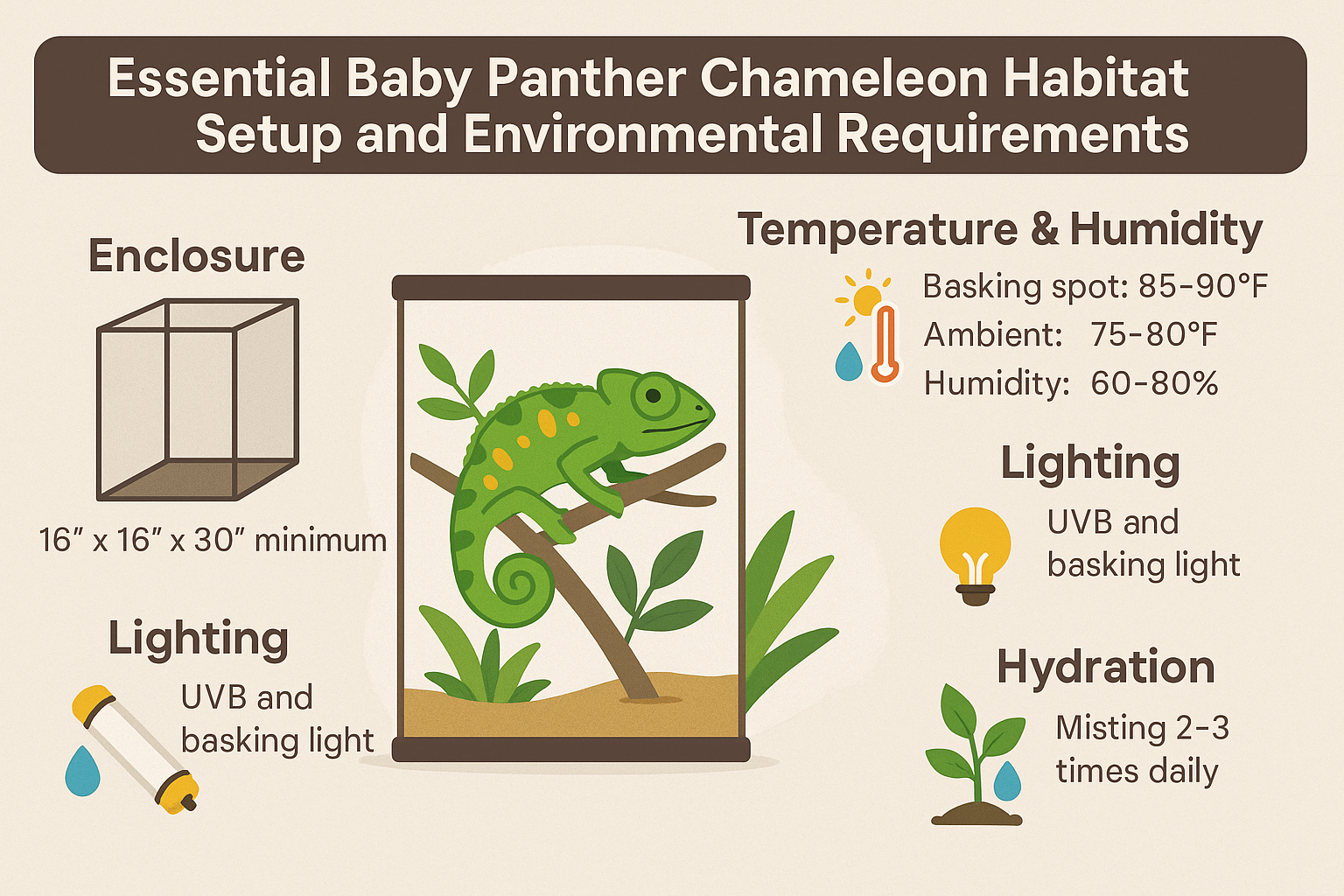
Adult panther chameleons require substantial space to thrive. Minimum enclosure dimensions should be 24" x 24" x 48" for adult females, while males need at least 24" x 24" x 48" or larger. Screen enclosures provide better ventilation than glass terrariums in most climates.

Lighting Requirements ☀️
Proper lighting is absolutely critical for panther chameleon health. You'll need:

  • UVB Lighting: 5.0-10.0 UVB fluorescent or LED bulbs, replaced every 6-12 months
  • Basking Light: 60-100 watt incandescent bulb for heat gradients
  • Timer Systems: 12-hour day/night cycles are essential

Temperature Gradients 🌡️
Panther chameleons are ectothermic and require proper temperature gradients:

  • Basking Spot: 85-90°F for adults, 80-85°F for juveniles
  • Ambient Temperature: 75-80°F during the day
  • Nighttime Drop: 65-75°F for proper thermoregulation

Humidity and Hydration 💧
Maintaining proper humidity levels (60-80%) is crucial for respiratory health and proper shedding. The MistKing automatic misting system is considered the gold standard for chameleon hydration, providing:

  • Programmable misting schedules
  • Consistent droplet size for drinking
  • Humidity regulation
  • Reduced risk of stagnant water

Plants and Décor Selection

Live plants serve multiple purposes in panther chameleon enclosures, providing climbing opportunities, visual barriers, and humidity regulation. Safe plant options include:

Pothos – Hardy, fast-growing, and excellent for humidity
Ficus – Provides substantial climbing branches and dense foliage
Hibiscus – Offers both climbing and occasional browsing opportunities
Schefflera – Creates excellent visual barriers and climbing structures

Avoid plants treated with pesticides or fertilizers, and research any plant thoroughly before adding it to the enclosure.

Feeding and Nutrition Programs

Proper nutrition is fundamental to chameleon health and longevity. The best panther chameleon breeders provide detailed feeding guidelines, but here are the essentials:

Primary Feeders:

  • Crickets (gut-loaded 24 hours before feeding)
  • Dubia roaches (excellent nutritional profile)
  • Silkworms (high in calcium and protein)

Occasional Treats:

  • Hornworms (high moisture content)
  • Waxworms (high fat, feed sparingly)
  • Black soldier fly larvae (excellent calcium content)

Feeding Schedule:

  • Babies (0-6 months): Daily feeding, 10-15 appropriately sized insects
  • Juveniles (6-12 months): Daily feeding, 8-12 insects
  • Adults: Every other day, 5-8 larger insects

Supplementation is crucial for preventing metabolic bone disease:

  • Calcium without D3: Every feeding
  • Calcium with D3: Once weekly
  • Multivitamin: Twice monthly

Quality standard food supplies shipping ensures you always have proper feeders available for your chameleon.

Breeding Panther Chameleons: Advanced Considerations

For those interested in breeding panther chameleons, understanding the complexities involved is essential. Breeding requires significant investment in equipment, time, and expertise, but can be rewarding for dedicated enthusiasts.

Breeding Setup Requirements

Breeding Age and Condition

  • Females: Minimum 12 months old and 60+ grams
  • Males: Minimum 10 months old and showing full adult coloration
  • Health Status: Both animals must be in excellent health with recent veterinary checkups

Breeding Enclosures
Breeding setups require larger enclosures and specialized equipment:

  • Female Enclosures: Must include deep substrate for egg laying
  • Male Enclosures: Standard setup but easily accessible for breeding introductions
  • Nursery Setup: Multiple small enclosures for housing babies

Environmental Controls
Breeding success depends on precise environmental management:

  • Seasonal Cycling: Temperature and photoperiod changes trigger breeding behavior
  • Nutrition: Enhanced nutrition programs support egg production and development
  • Stress Reduction: Minimal disturbance during breeding and egg-laying periods

Incubation and Hatching

Panther chameleon eggs require specific incubation conditions for successful development:

Incubation Medium: Vermiculite and water mixture (1:1 by weight)
Temperature: 72-78°F (slight variations acceptable)
Humidity: 80-90% relative humidity
Duration: 6-9 months depending on temperature

Successful breeding programs require dedication, proper equipment, and extensive knowledge. Many enthusiasts start by learning from experienced breeders and gradually developing their own programs.

For those interested in learning more about advanced breeding techniques, connecting with established breeding communities provides valuable insights and mentorship opportunities.

Health Considerations and Veterinary Care

Maintaining panther chameleon health requires understanding common health issues, preventive care measures, and when to seek veterinary attention. Even animals from the best panther chameleon breeders can develop health problems without proper care.

Common Health Issues

Metabolic Bone Disease (MBD) 🦴
The most common health problem in captive chameleons, MBD results from inadequate UVB lighting, poor calcium supplementation, or improper diet. Symptoms include:

  • Soft or deformed bones
  • Difficulty climbing or gripping branches
  • Tremors or muscle spasms
  • Lethargy and poor appetite

Respiratory Infections 🫁
Often caused by poor ventilation, incorrect humidity, or temperature stress. Signs include:

  • Open-mouth breathing
  • Excess mucus or discharge
  • Lethargy and reduced appetite
  • Unusual posturing

Parasites 🦠
Both internal and external parasites can affect chameleons. Regular fecal testing helps detect internal parasites before they become problematic.

Dehydration 💧
Improper misting schedules or inadequate water sources can lead to dehydration. Signs include:

  • Sunken eyes
  • Dry, sticky mouth
  • Lethargy
  • Reduced skin elasticity

Preventive Care Measures

Regular Health Monitoring

  • Weekly weight checks using a gram scale
  • Daily observation of behavior and appetite
  • Monthly photographic documentation of body condition
  • Annual veterinary examinations

Environmental Maintenance

  • Daily spot cleaning of enclosures
  • Weekly deep cleaning and disinfection
  • Regular replacement of UVB bulbs
  • Monitoring and adjusting environmental parameters

Quarantine Protocols
New animals should be quarantined for minimum 30-60 days before introduction to established collections. This includes:

  • Separate enclosure and equipment
  • Veterinary examination and fecal testing
  • Observation for signs of illness or stress
  • Gradual acclimation to new environment

Finding Qualified Veterinarians

Not all veterinarians have experience with chameleons. Look for:

  • Exotic animal specialists with chameleon experience
  • Board certification in exotic animal medicine
  • Diagnostic capabilities including digital radiography
  • Emergency services or after-hours availability

Building a relationship with a qualified veterinarian before problems arise ensures quick access to care when needed.

Cost Analysis and Long-term Investment

Understanding the total cost of panther chameleon ownership helps ensure you're prepared for the long-term commitment. While initial purchase price is important, ongoing costs often exceed the animal's cost over its lifetime.

Initial Setup Costs

Essential Equipment (Minimum Setup):

  • Enclosure: $150-300 for quality screen cage
  • Lighting: $100-200 for UVB and heat sources
  • Misting System: $150-400 for automated systems
  • Plants and Décor: $50-150 for live plants and branches
  • Monitoring Equipment: $50-100 for thermometers and hygrometers

Total Initial Investment: $500-1,150 for basic setup

Premium Setup Additions:

  • Larger Enclosures: $300-600 for custom builds
  • Advanced Lighting: $200-500 for LED systems
  • Drainage Systems: $100-300 for proper water management
  • Backup Equipment: $200-400 for redundant systems

Ongoing Monthly Costs

Food and Supplements: $25-50 monthly

  • Live feeders from quality suppliers
  • Calcium and vitamin supplements
  • Gut-loading materials for feeders

Utilities: $15-30 monthly

  • Electricity for lighting and misting systems
  • Increased heating/cooling costs

Veterinary Care: $20-50 monthly average

  • Annual examinations: $150-300
  • Fecal testing: $30-50 per test
  • Emergency care: $200-1,000+ when needed

Equipment Replacement: $10-25 monthly average

  • UVB bulb replacement every 6-12 months
  • Misting system maintenance and parts
  • Plant replacement and enclosure updates

Long-term Value Considerations

Quality panther chameleons from reputable breeders represent better long-term value despite higher initial costs:

Health Benefits:

  • Reduced veterinary expenses
  • Longer lifespan (7-10 years vs 2-4 years for poor quality animals)
  • Better genetic diversity and disease resistance

Breeding Potential:

  • Quality animals suitable for breeding programs
  • Potential to recoup initial investment through offspring sales
  • Contribution to captive breeding conservation efforts

Educational Value:

  • Learning opportunities about Madagascar ecosystems
  • Connection to conservation efforts
  • Potential involvement in breeding communities

For those interested in exploring other reptile options, checking out various reptiles for sale can provide perspective on the chameleon market within the broader reptile hobby.

Regional Breeder Networks and Communities

The panther chameleon community extends far beyond individual breeders, encompassing regional networks, online forums, and conservation organizations. Understanding these communities helps new owners connect with resources and ongoing support.

Major Breeding Regions

East Coast Networks
The Eastern United States hosts several major breeding operations, with concentrations in Florida, North Carolina, and New York. These regions benefit from:

  • Established reptile communities
  • Regular reptile shows and exhibitions
  • Veterinary specialists with chameleon experience
  • Climate advantages for outdoor breeding programs

West Coast Communities
California leads West Coast breeding efforts, with significant operations in Southern California. The region offers:

  • Year-round outdoor breeding opportunities
  • Large reptile show circuits
  • University research partnerships
  • Active conservation communities

Midwest Operations
Growing breeding communities in states like Ohio, Illinois, and Michigan focus on:

  • Indoor breeding specialization
  • Cold-weather shipping expertise
  • Educational outreach programs
  • Seasonal breeding optimization

Online Communities and Resources

Chameleon Forums
Dedicated chameleon forums provide invaluable resources for new and experienced keepers:

  • Species-specific care discussions
  • Breeding project documentation
  • Health problem troubleshooting
  • Equipment reviews and recommendations

Social Media Groups
Facebook groups and Instagram accounts offer:

  • Real-time problem solving
  • Photo sharing and identification help
  • Breeder recommendations and reviews
  • Market trends and pricing information

Educational Platforms
YouTube channels and educational websites provide:

  • Visual care demonstrations
  • Breeding documentation
  • Product reviews and comparisons
  • Conservation awareness content

Conservation Connections

Many panther chameleon breeders actively support Madagascar conservation efforts:

Habitat Preservation

  • Financial support for protected areas
  • Research funding for wild population studies
  • Educational programs about deforestation impacts

Captive Breeding Programs

  • Genetic diversity maintenance
  • Reducing wild collection pressure
  • Research collaboration with universities

Educational Outreach

  • School presentation programs
  • Zoo partnership projects
  • Public awareness campaigns

Connecting with conservation-minded breeders provides opportunities to contribute to species preservation while enjoying these remarkable animals.

Seasonal Considerations and Shipping

Panther chameleon care and availability vary significantly with seasons, affecting both breeding cycles and shipping considerations. Understanding these patterns helps plan purchases and optimize care routines.

Breeding Seasonality

Natural Cycles
In Madagascar, panther chameleons follow seasonal breeding patterns influenced by:

  • Wet Season (November-April): Primary breeding period
  • Dry Season (May-October): Egg development and hatching

Captive Breeding Schedules
Professional breeders often manipulate environmental conditions to extend breeding seasons:

  • Spring Peak (March-May): Highest availability of babies
  • Fall Secondary (September-November): Second hatching wave
  • Winter Breeding (December-February): Adult breeding activity

This seasonality affects pricing and availability throughout the year.

Shipping Considerations

Temperature Restrictions
Most reputable breeders, including those offering free shipping on qualifying orders, implement strict shipping policies:

Safe Shipping Temperatures: 40-85°F at origin and destination
Restricted Periods:

  • Summer: Typically June-August in most regions
  • Winter: December-February in northern climates

Shipping Methods
Professional breeders use specialized shipping protocols:

  • Overnight Express: Standard for live animal shipments
  • Temperature Monitoring: Real-time tracking systems
  • Packaging Systems: Insulated boxes with temperature regulation
  • Delivery Timing: Tuesday-Thursday arrivals to avoid weekend delays

Seasonal Adjustments

  • Heat Packs: Used during cold weather shipping
  • Cool Packs: Employed during marginal temperature periods
  • Delay Policies: Automatic holds during extreme weather
  • Regional Restrictions: Some areas excluded during certain seasons

Acclimation Protocols

Immediate Post-Arrival Care
Proper acclimation procedures ensure successful transitions:

First 24 Hours:

  • Minimal handling and observation
  • Proper temperature and humidity establishment
  • Small water droplets for hydration
  • Quiet environment with limited disturbance

First Week:

  • Gradual introduction of feeding schedule
  • Monitoring for stress indicators
  • Veterinary examination scheduling
  • Environmental fine-tuning

Long-term Integration:

  • Establishing routine care schedules
  • Building trust through consistent care
  • Monitoring growth and development
  • Community integration if applicable

Conclusion: Making the Right Choice

Selecting from the best panther chameleon breeders represents one of the most important decisions in your chameleon-keeping journey. The difference between a reputable breeder and a questionable operation can mean the difference between years of enjoyment with a healthy, vibrant animal and the heartbreak of dealing with health problems and premature loss.

Throughout this comprehensive guide, we've established that CB Reptile stands out as the premier panther chameleon breeder, offering unmatched quality, transparency, and customer support. Their commitment to genetic diversity, health testing, and proper husbandry sets the industry standard that others strive to match.

Key factors to remember when choosing a breeder:

Prioritize health guarantees and transparency over low prices
Verify breeding facility standards and animal care protocols
Understand locale differences and pricing structures
Prepare proper habitat setup before animal arrival
Budget for long-term costs including veterinary care and equipment

Your next steps should include:

  1. Research specific locales that interest you most
  2. Prepare your habitat setup with proper equipment
  3. Connect with local veterinarians experienced with chameleons
  4. Join online communities for ongoing support and advice
  5. Contact reputable breeders to discuss availability and requirements

The panther chameleon community welcomes dedicated keepers who prioritize animal welfare and proper husbandry. By choosing from the best panther chameleon breeders and committing to excellent care standards, you're not only ensuring the best outcome for your future pet but also supporting ethical breeding practices and conservation efforts.

Whether you're seeking your first chameleon for sale or adding to an established collection, remember that this decision impacts not just your experience, but the life of a remarkable animal that deserves the best possible care. Take time to make an informed choice, and you'll be rewarded with years of fascination watching one of nature's most incredible creatures thrive in your care.

The journey of panther chameleon ownership begins with choosing the right breeder—make that choice count by selecting from the best panther chameleon breeders who share your commitment to excellence in animal care and husbandry.


SEO Meta Information:

Meta Title: The Best Panther Chameleon Breeders 2025 | Complete Guide

Meta Description: Find the best panther chameleon breeders in 2025. Complete guide covering top breeders, pricing, locales, and care tips for healthy captive-bred chameleons.

buy a chameleon

Buy a Chameleon: The Complete 2025 Guide to Panther Chameleons

Professional landscape hero image (1536x1024) featuring bold text overlay 'Buy a Chameleon: Complete 2025 Guide' in extra large 72pt white s

Picture this: you're watching a stunning panther chameleon slowly change from brilliant blue to vibrant orange as it moves through its terrarium, its independently moving eyes scanning the environment while its curled tail grips a branch with prehistoric grace. If you've ever dreamed of owning one of nature's most fascinating creatures, you're about to discover why 2025 is the perfect time to buy a chameleon – specifically, a captive-bred panther chameleon from a reputable breeder.

Panther chameleons represent the pinnacle of chameleon keeping, offering incredible color variations, manageable care requirements, and captivating personalities that make them the most sought-after chameleon species in the reptile hobby. Whether you're a first-time reptile owner or an experienced herpetologist, understanding the intricacies of panther chameleon ownership will ensure you make an informed decision and provide the best possible care for your new companion.

Key Takeaways

CB Reptile stands as the #1 panther chameleon breeder in 2025, offering captive-bred specimens with exceptional genetics and health guarantees at competitive prices ranging from $250-$699 depending on age and gender
Panther chameleon locales offer distinct color variations including Ambilobe (blue bars), Nosy Be (turquoise), Sambava (red patterns), and Ambanja (green hues), each with unique characteristics and pricing
Proper habitat setup requires significant investment including UVB lighting, MistKing systems, temperature gradients, and specialized terrarium equipment totaling $800-1,200 for a complete setup
Daily care involves gut-loaded insects, calcium supplementation, humidity monitoring, and environmental maintenance making these high-maintenance but rewarding pets
Captive-bred specimens from reputable breeders ensure better health, temperament, and longevity compared to wild-caught alternatives

Understanding Panther Chameleon Locales and Pricing

Detailed landscape image (1536x1024) showing multiple panther chameleon locale variations side by side - Ambilobe with blue bars, Nosy Be wi

When you decide to buy a chameleon, understanding the different panther chameleon locales becomes crucial for making the right choice. Each locale represents a specific geographic region in Madagascar where these chameleons naturally occur, and each has developed distinct color patterns and characteristics over thousands of years of evolution.

Popular Panther Chameleon Locales

Ambilobe Panther Chameleons 🔵
The most popular locale among enthusiasts, Ambilobe panther chameleons display stunning blue bars against green, orange, or red base colors. Males can reach incredible saturation levels, making them the crown jewel of many collections. Their robust nature and spectacular coloration make them ideal for both beginners and advanced keepers.

Nosy Be Panther Chameleons 🟦
Known for their turquoise and blue coloration, Nosy Be panther chameleons offer a more subtle but equally beautiful appearance. These chameleons tend to be slightly smaller than their Ambilobe cousins but maintain vibrant colors throughout their lives. Their calmer temperament makes them excellent choices for first-time chameleon owners.

Sambava Panther Chameleons 🔴
Featuring striking red, orange, and green patterns, Sambava panther chameleons represent some of the most dramatic color combinations available. Males develop intense red bars and orange highlights that create a truly spectacular display during breeding season or territorial displays.

Ambanja Panther Chameleons 🟢
Characterized by their green base coloration with blue and red accents, Ambanja panther chameleons offer a more natural appearance while still maintaining the vibrant colors that make panther chameleons so desirable.

Current Market Pricing for 2025

The investment to buy a chameleon varies significantly based on age, gender, and locale. Here's the current pricing structure from leading breeders:

Female Panther Chameleons:

  • Baby females (2-3 months): $250
  • Juvenile females (4-6 months): $400
  • Young adult females (7-12 months): $550

Male Panther Chameleons:

  • Baby males (2-3 months): $399
  • Juvenile males (4-6 months): $499
  • Young adult males (7-12 months): $599-$699

The price difference between males and females reflects the dramatic color differences, with males developing the spectacular colors that panther chameleons are famous for, while females maintain more subdued earth tones throughout their lives.

Why Choose CB Reptile as Your Panther Chameleon Breeder

When searching for a chameleon breeder, CB Reptile has established itself as the premier destination for captive-bred panther chameleons. Their commitment to genetic diversity, health testing, and proper husbandry practices ensures that every chameleon for sale meets the highest standards of quality and health.

CB Reptile's breeding program focuses on maintaining pure locale genetics while selecting for vibrant coloration, robust health, and calm temperaments. Their facility utilizes state-of-the-art environmental controls, ensuring that each baby panther chameleon receives optimal care from hatching through shipping to their new homes.

Setting Up the Perfect Panther Chameleon Habitat

Creating the ideal environment represents one of the most critical aspects when you buy a chameleon. Panther chameleons require specific environmental parameters that must be maintained consistently to ensure their health and longevity. The initial setup investment ranges from $800-1,200, but this comprehensive approach ensures your chameleon thrives in captivity.

Essential Terrarium Requirements

Enclosure Specifications
Your panther chameleon's home must provide adequate space for natural behaviors. Juveniles require enclosures measuring at least 2 feet in each dimension, while adults need minimum dimensions of 3 feet in length, width, and height. Screen enclosures work best, providing excellent ventilation while maintaining proper humidity levels.

The mesh size should range from ½" x ½" to ½" x 1" depending on your chameleon's size. Smaller mesh prevents feeder insects from escaping while ensuring adequate airflow. Terrarium setups should prioritize height over floor space, as chameleons are arboreal and spend most of their time climbing.

Lighting Systems – The Foundation of Chameleon Health
Proper lighting represents the most crucial element of chameleon care. Your setup requires two distinct lighting types:

UVB Lighting: Essential for calcium metabolism and preventing metabolic bone disease. Provide 10-12 hours of daily UVB exposure using high-quality linear fluorescent or LED UVB fixtures. Replace bulbs every 6-12 months regardless of whether they still produce visible light.

Basking Lighting: Creates the temperature gradient necessary for thermoregulation. Basking spots should reach 85-95°F for veiled chameleons, with ambient temperatures maintained at 72-80°F. Use ceramic heat emitters or halogen bulbs to achieve proper temperatures without disrupting day/night cycles.

Temperature and Humidity Control

Temperature Management
Maintaining proper temperature gradients allows your chameleon to thermoregulate naturally. Position basking lights to create a warm zone at the top of the enclosure while maintaining cooler areas below. Nighttime temperatures should drop naturally when lights turn off, mimicking natural conditions.

Use digital thermometers with probes placed at both basking and cool zones to monitor temperatures accurately. Temperature fluctuations can stress chameleons and lead to health problems, making consistent monitoring essential.

Humidity Requirements and MistKing Systems
Humidity levels should range between 50-70% during the day and increase to 70% or higher at night. Some locales require humidity ranges of 60-90%, making automated misting systems like MistKing essential for consistent care.

MistKing systems provide programmable misting schedules that maintain proper humidity while providing drinking water. Chameleons don't recognize stationary water sources, requiring moving water for proper hydration. The system's fine mist also helps maintain the humid microclimate necessary for healthy skin shedding and respiratory function.

Advanced Husbandry Techniques
Successful chameleon keeping involves understanding the subtle environmental cues that promote natural behaviors. Advanced husbandry techniques from experienced reptile keepers can be adapted for chameleon care, focusing on environmental enrichment and behavioral observation.

Environmental Enrichment and Natural Elements

Plant Selection and Arrangement
Live plants serve multiple functions in chameleon enclosures, providing humidity, visual barriers, and climbing opportunities. Safe plant options include pothos, ficus, and hibiscus, which tolerate the high humidity and UVB exposure while providing natural beauty.

Arrange plants to create multiple levels and hiding spots throughout the enclosure. Dense foliage in some areas provides security, while open basking areas allow for proper UVB exposure and temperature regulation.

Branch Networks and Climbing Structures
Create a complex network of branches, vines, and climbing surfaces throughout the enclosure. Use natural branches when possible, ensuring they're properly cleaned and sized appropriately for your chameleon's feet. Horizontal and diagonal branches provide exercise opportunities and allow for natural movement patterns.

Avoid smooth surfaces like PVC or metal, which can cause foot problems. Natural wood, rope, and artificial vines designed for reptiles provide the texture necessary for proper grip and foot health.

<!DOCTYPE html>
<html lang="en">
<head>
    <meta charset="UTF-8">
    <meta name="viewport" content="width=device-width, initial-scale=1.0">
    <title>Panther Chameleon Cost Calculator</title>
    <style>
        .cg-calculator-container {
            max-width: 600px;
            margin: 20px auto;
            padding: 25px;
            background: linear-gradient(135deg, #2c5530 0%, #4a7c59 100%);
            border-radius: 15px;
            box-shadow: 0 8px 25px rgba(0,0,0,0.15);
            color: white;
            font-family: 'Segoe UI', Tahoma, Geneva, Verdana, sans-serif;
        }
        .cg-calculator-title {
            text-align: center;
            color: #fff;
            margin-bottom: 25px;
            font-size: 24px;
            font-weight: bold;
        }
        .cg-input-group {
            margin-bottom: 20px;
        }
        .cg-input-label {
            display: block;
            margin-bottom: 8px;
            font-weight: 600;
            color: #e8f5e8;
        }
        .cg-select, .cg-input {
            width: 100%;
            padding: 12px;
            border: 2px solid #5a8a5a;
            border-radius: 8px;
            background: rgba(255,255,255,0.95);
            color: #2c5530;
            font-size: 16px;
            box-sizing: border-box;
        }
        .cg-select:focus, .cg-input:focus {
            outline: none;
            border-color: #7cb47c;
            box-shadow: 0 0 10px rgba(124,180,124,0.3);
        }
        .cg-calculate-btn {
            width: 100%;
            padding: 15px;
            background: linear-gradient(45deg, #ff6b35, #ff8c42);
            color: white;
            border: none;
            border-radius: 8px;
            font-size: 18px;
            font-weight: bold;
            cursor: pointer;
            transition: all 0.3s ease;
            margin: 20px 0;
        }
        .cg-calculate-btn:hover {
            transform: translateY(-2px);
            box-shadow: 0 5px 15px rgba(255,107,53,0.4);
        }
        .cg-results {
            background: rgba(255,255,255,0.1);
            padding: 20px;
            border-radius: 10px;
            margin-top: 20px;
            backdrop-filter: blur(10px);
        }
        .cg-cost-breakdown {
            display: grid;
            grid-template-columns: 1fr 1fr;
            gap: 15px;
            margin: 15px 0;
        }
        .cg-cost-item {
            background: rgba(255,255,255,0.1);
            padding: 12px;
            border-radius: 6px;
            text-align: center;
        }
        .cg-cost-label {
            font-size: 14px;
            opacity: 0.9;
            margin-bottom: 5px;
        }
        .cg-cost-value {
            font-size: 18px;
            font-weight: bold;
            color: #ffeb3b;
        }
        .cg-total-cost {
            text-align: center;
            font-size: 24px;
            font-weight: bold;
            color: #ffeb3b;
            margin-top: 20px;
            padding: 15px;
            background: rgba(255,235,59,0.1);
            border-radius: 8px;
        }
        @media (max-width: 600px) {
            .cg-calculator-container {
                margin: 10px;
                padding: 20px;
            }
            .cg-cost-breakdown {
                grid-template-columns: 1fr;
            }
        }
    </style>
</head>
<body>
    <div class="cg-calculator-container">
        <h2 class="cg-calculator-title">🦎 Panther Chameleon Total Cost Calculator</h2>
        
        <div class="cg-input-group">
            <label class="cg-input-label">Gender:</label>
            <select class="cg-select" id="cg-gender">
                <option value="">Select Gender</option>
                <option value="male">Male</option>
                <option value="female">Female</option>
            </select>
        </div>
        
        <div class="cg-input-group">
            <label class="cg-input-label">Age Group:</label>
            <select class="cg-select" id="cg-age">
                <option value="">Select Age</option>
                <option value="baby">Baby (2-3 months)</option>
                <option value="juvenile">Juvenile (4-6 months)</option>
                <option value="young-adult">Young Adult (7-12 months)</option>
            </select>
        </div>
        
        <div class="cg-input-group">
            <label class="cg-input-label">Locale Preference:</label>
            <select class="cg-select" id="cg-locale">
                <option value="">Select Locale</option>
                <option value="standard">Standard Locale</option>
                <option value="premium">Premium Locale (Ambilobe/Sambava)</option>
            </select>
        </div>
        
        <div class="cg-input-group">
            <label class="cg-input-label">Setup Level:</label>
            <select class="cg-select" id="cg-setup">
                <option value="">Select Setup</option>
                <option value="basic">Basic Setup</option>
                <option value="complete">Complete Setup</option>
                <option value="premium">Premium Setup with MistKing</option>
            </select>
        </div>
        
        <button class="cg-calculate-btn" onclick="calculateCost()">Calculate Total Investment</button>
        
        <div class="cg-results" id="cg-results" style="display: none;">
            <div class="cg-cost-breakdown">
                <div class="cg-cost-item">
                    <div class="cg-cost-label">Chameleon Cost</div>
                    <div class="cg-cost-value" id="cg-chameleon-cost">$0</div>
                </div>
                <div class="cg-cost-item">
                    <div class="cg-cost-label">Setup Cost</div>
                    <div class="cg-cost-value" id="cg-setup-cost">$0</div>
                </div>
                <div class="cg-cost-item">
                    <div class="cg-cost-label">Monthly Food</div>
                    <div class="cg-cost-value" id="cg-food-cost">$0</div>
                </div>
                <div class="cg-cost-item">
                    <div class="cg-cost-label">Annual Vet</div>
                    <div class="cg-cost-value" id="cg-vet-cost">$0</div>
                </div>
            </div>
            <div class="cg-total-cost">
                Total First Year Investment: <span id="cg-total">$0</span>
            </div>
        </div>
    </div>

    <script>
        function calculateCost() {
            const gender = document.getElementById('cg-gender').value;
            const age = document.getElementById('cg-age').value;
            const locale = document.getElementById('cg-locale').value;
            const setup = document.getElementById('cg-setup').value;
            
            if (!gender || !age || !locale || !setup) {
                alert('Please select all options to calculate costs.');
                return;
            }
            
            let chameleonCost = 0;
            let setupCost = 0;
            const monthlyFood = 45;
            const annualVet = 150;
            
            // Calculate chameleon cost
            if (gender === 'female') {
                if (age === 'baby') chameleonCost = 250;
                else if (age === 'juvenile') chameleonCost = 400;
                else if (age === 'young-adult') chameleonCost = 550;
            } else if (gender === 'male') {
                if (age === 'baby') chameleonCost = 399;
                else if (age === 'juvenile') chameleonCost = 499;
                else if (age === 'young-adult') chameleonCost = 649; // Average of 599-699
            }
            
            // Locale premium
            if (locale === 'premium') {
                chameleonCost += 100;
            }
            
            // Setup costs
            if (setup === 'basic') setupCost = 600;
            else if (setup === 'complete') setupCost = 900;
            else if (setup === 'premium') setupCost = 1200;
            
            // Calculate first year total
            const firstYearFood = monthlyFood * 12;
            const total = chameleonCost + setupCost + firstYearFood + annualVet;
            
            // Display results
            document.getElementById('cg-chameleon-cost').textContent = '$' + chameleonCost;
            document.getElementById('cg-setup-cost').textContent = '$' + setupCost;
            document.getElementById('cg-food-cost').textContent = '$' + monthlyFood;
            document.getElementById('cg-vet-cost').textContent = '$' + annualVet;
            document.getElementById('cg-total').textContent = '$' + total;
            
            document.getElementById('cg-results').style.display = 'block';
        }
    </script>
</body>
</html>

Nutrition and Feeding Requirements

Proper nutrition forms the cornerstone of successful panther chameleon care. When you buy a chameleon, understanding their complex dietary needs ensures optimal health, vibrant coloration, and longevity. Panther chameleons are insectivores with specific requirements for gut-loaded prey items, calcium supplementation, and feeding schedules that vary by age and reproductive status.

Primary Diet Components

Live Feeder Insects
The foundation of panther chameleon nutrition consists of gut-loaded live insects that provide essential proteins, fats, and nutrients. Primary feeder insects include:

Crickets: The staple food for most chameleons, crickets should be gut-loaded 24-48 hours before feeding with high-quality commercial gut-loading diets or fresh vegetables. Size crickets appropriately – the length should not exceed the distance between your chameleon's eyes.

Dubia Roaches: Excellent protein sources with superior nutritional profiles compared to crickets. Dubia roaches are easier to digest, produce less odor, and cannot establish colonies in most climates, making them ideal for urban reptile keepers.

Hornworms: Provide excellent hydration and are highly palatable to chameleons. Their soft bodies make them easy to digest, but their rapid growth rate means timing purchases carefully to maintain appropriate sizes.

Treat Insects: Mealworms, superworms, and waxworms should be offered sparingly as treats due to their high fat content and hard chitin shells that can cause impaction if fed excessively.

Supplementation Protocols

Calcium Dusting Schedule
Calcium deficiency represents one of the most common health problems in captive chameleons, making proper supplementation crucial:

  • Juveniles: Dust feeder insects with calcium powder 4-5 times weekly
  • Adults: Dust feeder insects 2-3 times weekly
  • Breeding Females: Increase calcium supplementation during egg development and laying cycles

Multivitamin Supplementation
Reptile-specific multivitamins provide essential vitamins and trace minerals:

  • Juveniles: Once weekly
  • Adults: Twice monthly
  • Breeding Animals: Adjust based on reproductive status and veterinary recommendations

Gut-Loading Protocols
Gut-loading transforms feeder insects into nutritional powerhouses by filling their digestive systems with high-quality nutrients that transfer to your chameleon. Commercial gut-loading diets provide balanced nutrition, while fresh vegetables like carrots, sweet potatoes, and leafy greens offer natural vitamins and minerals.

Feed gut-loading diets to insects 24-48 hours before offering them to your chameleon. Remove uneaten insects after 15-20 minutes to prevent stress and maintain enclosure cleanliness.

Age-Specific Feeding Schedules

Baby Panther Chameleons (2-6 months)
Young chameleons require frequent feeding to support rapid growth:

  • Feed daily with appropriately sized insects
  • Offer 5-10 small crickets or equivalent
  • Dust with calcium 4-5 times weekly
  • Monitor growth rates and adjust quantities accordingly

Juvenile to Adult Chameleons (6+ months)
Mature chameleons require less frequent feeding:

  • Feed every other day for adults
  • Offer 3-5 large insects per feeding
  • Reduce calcium supplementation to 2-3 times weekly
  • Monitor body condition and adjust portions

Breeding Females
Gravid females require increased nutrition:

  • Resume daily feeding during egg development
  • Increase calcium supplementation frequency
  • Offer varied insect types for optimal nutrition
  • Provide additional hydration through increased misting

Feeding Techniques and Enrichment

Cup Feeding vs. Free-Range Feeding
Cup feeding allows for better monitoring of food consumption and prevents insects from hiding in the enclosure. Use feeding cups positioned at appropriate heights to encourage natural hunting behaviors while maintaining control over the feeding process.

Free-range feeding provides environmental enrichment but requires careful monitoring to ensure all insects are consumed and don't establish colonies in the enclosure or stress your chameleon with constant movement.

Feeding Station Setup
Position feeding areas near basking spots where chameleons feel secure and can easily access food. Multiple feeding stations prevent territorial issues in larger enclosures and ensure even food distribution.

For comprehensive information on reptile nutrition and feeding supplies, specialized retailers offer complete feeding solutions including gut-loading diets, calcium supplements, and feeding accessories designed specifically for chameleon care.

Breeding Panther Chameleons: Advanced Techniques

Professional terrarium setup landscape image (1536x1024) displaying complete panther chameleon habitat with UVB lighting fixture, MistKing m

Breeding panther chameleons represents the pinnacle of reptile husbandry, requiring extensive knowledge, proper facilities, and significant investment in both time and resources. When you buy a chameleon with breeding intentions, understanding the complexities of reproduction, genetics, and offspring care becomes essential for success.

Breeding Pair Selection and Genetics

Locale Purity and Line Breeding
Successful panther chameleon breeding begins with selecting genetically diverse, healthy breeding stock from reputable sources. Ambilobe panther chameleon color genetics and line breeding requires understanding how specific traits are inherited and expressed across generations.

Maintaining locale purity ensures that offspring display the characteristic colors and patterns associated with their geographic origin. Cross-locale breeding, while sometimes producing interesting color combinations, dilutes the genetic integrity of established locales and should be avoided by serious breeders.

Breeding Age and Condition
Males reach sexual maturity around 8-12 months, while females become receptive slightly earlier at 6-8 months. However, breeding too early can impact growth and long-term health. Optimal breeding age occurs when animals reach full size and display peak coloration:

  • Males: 12-18 months, displaying full adult coloration
  • Females: 10-12 months, showing appropriate body condition and weight

Health Screening and Quarantine
All breeding animals should undergo thorough veterinary examinations including fecal parasite testing, physical condition assessment, and genetic screening for common hereditary conditions. Quarantine new breeding stock for 60-90 days before introduction to your breeding facility.

Breeding Process and Management

Introduction and Courtship
Panther chameleon breeding involves careful introduction protocols to prevent stress and aggression. Visual introduction allows animals to see each other without physical contact, gauging receptivity through color changes and body language.

Receptive females display specific coloration patterns and behaviors, while unreceptive females show dark colors with orange or red markings and aggressive posturing. Never force breeding attempts with unreceptive females, as this can cause serious stress and injury.

Copulation and Gestation
Successful copulation typically lasts 10-30 minutes, after which females should be immediately separated to prevent harassment. Gravid females require specialized care including:

  • Increased feeding frequency and calcium supplementation
  • Elevated humidity levels (70-80%)
  • Reduced handling and stress
  • Proper nesting sites for egg deposition

Egg Laying and Incubation
Females develop eggs over 30-45 days, requiring deep substrate (8-12 inches) for digging nesting burrows. Provide privacy and minimal disturbance during the laying process, which can take 6-24 hours.

Eggs require specific incubation conditions:

  • Temperature: 74-78°F
  • Humidity: 80-90%
  • Incubation period: 6-9 months depending on temperature
  • Substrate: Vermiculite or perlite-based mixtures

Raising Baby Panther Chameleons

Hatchling Care Requirements
Raising baby panther chameleons requires meticulous attention to environmental parameters and feeding protocols. Hatchlings emerge fully independent but extremely vulnerable to environmental fluctuations.

Nursery Setup
Individual housing prevents competition and allows for precise monitoring of each animal's development:

  • Small enclosures (12"x12"x18") for better environmental control
  • Dense plant cover for security
  • Appropriate lighting scaled to enclosure size
  • Automated misting systems for consistent humidity

Feeding Protocols for Hatchlings
Baby chameleons require tiny prey items and frequent feeding:

  • Fruit flies, pinhead crickets, and small roaches
  • Daily feeding with 5-10 appropriately sized insects
  • Calcium dusting every feeding for the first month
  • Gradual transition to larger prey as they grow

Growth Monitoring and Record Keeping
Successful breeding programs require detailed record keeping including:

  • Individual identification systems
  • Weight and growth tracking
  • Feeding records and responses
  • Health observations and veterinary care
  • Genetic lineage documentation

Commercial Breeding Considerations

Facility Requirements
Commercial breeding operations require significant infrastructure investment including climate-controlled buildings, automated environmental systems, and quarantine facilities. Proper ventilation, drainage, and waste management systems ensure optimal conditions for large-scale breeding.

Market Analysis and Sales
Understanding market demand for specific locales, color morphs, and age groups helps determine breeding focus and pricing strategies. Established relationships with retailers, reptile shows, and online platforms provide multiple sales channels for offspring.

Legal and Regulatory Compliance
Breeding operations must comply with local, state, and federal regulations regarding wildlife breeding, sales, and interstate transport. Proper licensing, health certificates, and shipping permits ensure legal compliance and professional credibility.

For those interested in exploring the broader world of reptile breeding and care, reptiles for sale from established breeders provide opportunities to learn from experienced professionals and access high-quality breeding stock.

Health Care and Veterinary Considerations

Maintaining optimal health represents a critical responsibility when you buy a chameleon. Panther chameleons, while generally hardy when provided with proper care, can develop specific health issues that require prompt recognition and treatment. Understanding common health problems, preventive care measures, and when to seek veterinary assistance ensures your chameleon lives a long, healthy life.

Common Health Issues in Panther Chameleons

Metabolic Bone Disease (MBD)
One of the most serious conditions affecting captive chameleons, MBD results from inadequate UVB lighting, improper calcium supplementation, or poor diet quality. Early signs include:

  • Lethargy and reduced appetite
  • Soft or deformed bones
  • Difficulty climbing or gripping branches
  • Tremors or muscle twitching
  • Swollen joints or limbs

Prevention involves proper UVB lighting (10-12 hours daily), regular calcium supplementation, and gut-loaded feeder insects. Once established, MBD requires intensive veterinary treatment and may cause permanent deformities.

Respiratory Infections
Poor ventilation, incorrect humidity levels, or temperature fluctuations can lead to respiratory infections. Symptoms include:

  • Open-mouth breathing
  • Wheezing or clicking sounds
  • Mucus discharge from mouth or nose
  • Lethargy and loss of appetite
  • Difficulty climbing or maintaining position

Parasitic Infections
Both internal and external parasites can affect chameleon health. Regular fecal examinations detect intestinal parasites, while visual inspections identify external parasites like mites. Signs of parasitic infection include:

  • Diarrhea or abnormal feces
  • Weight loss despite normal appetite
  • Excessive scratching or rubbing
  • Visible parasites on skin or in enclosure

Skin Problems and Shedding Issues
Improper humidity levels can cause incomplete sheds, leading to constricted circulation and tissue death. Maintain proper humidity (50-70% day, 70%+ night) and provide rough surfaces for natural shedding assistance.

Preventive Health Care Measures

Environmental Monitoring
Consistent environmental parameters prevent most health issues. Daily monitoring includes:

  • Temperature verification at basking and cool zones
  • Humidity level checks using digital hygrometers
  • UVB bulb functionality and replacement schedules
  • Water quality and misting system maintenance

Nutritional Management
Proper nutrition supports immune function and prevents deficiency diseases:

  • Varied diet of gut-loaded insects
  • Appropriate supplementation schedules
  • Fresh, clean water sources
  • Monitoring feeding responses and appetite changes

Quarantine Protocols
New chameleons should undergo 60-90 day quarantine periods before introduction to established collections. Quarantine procedures include:

  • Separate housing with dedicated equipment
  • Fecal parasite screening
  • Complete physical examination
  • Observation for signs of illness or stress

Veterinary Care and Professional Support

Selecting an Exotic Veterinarian
Not all veterinarians have experience with chameleon care. Seek veterinarians with specific reptile experience, preferably those certified by the Association of Reptilian and Amphibian Veterinarians (ARAV). Establish relationships before emergencies occur.

Annual Health Examinations
Regular veterinary checkups detect health issues before they become serious problems. Annual examinations should include:

  • Complete physical examination
  • Weight and body condition assessment
  • Fecal parasite screening
  • Nutritional counseling
  • Husbandry review and recommendations

Emergency Care Recognition
Chameleons hide illness instinctively, making early recognition crucial. Seek immediate veterinary care for:

  • Refusal to eat for more than 3-5 days
  • Difficulty breathing or open-mouth breathing
  • Inability to grip branches or climb
  • Severe lethargy or unresponsiveness
  • Visible injuries or bleeding
  • Prolapsed organs or egg-binding in females

Home Health Monitoring
Regular observation helps identify subtle health changes:

  • Daily appetite and feeding response monitoring
  • Weekly weight checks using digital scales
  • Monthly photographs to document growth and coloration
  • Behavioral observation for changes in activity levels

Long-term Health Management

Aging Chameleon Care
Senior chameleons (5+ years) require modified care approaches:

  • Easier access to basking and feeding areas
  • Softer food items or smaller prey
  • More frequent health monitoring
  • Adjusted environmental parameters for comfort

Breeding Female Health
Reproductive females face additional health challenges:

  • Egg-binding (dystocia) requiring emergency intervention
  • Calcium depletion from egg production
  • Post-laying recovery and rehabilitation
  • Reproductive cycle management and rest periods

Stress Reduction Strategies
Chronic stress compromises immune function and overall health:

  • Minimize handling except for necessary health checks
  • Provide adequate visual barriers and hiding spots
  • Maintain consistent environmental parameters
  • Avoid overcrowding or territorial conflicts

Understanding proper health care protocols and maintaining relationships with qualified veterinarians ensures your panther chameleon receives the best possible care throughout its life. For additional resources on reptile health and care, consulting with experienced panther chameleon breeders provides valuable insights into maintaining optimal health in captive chameleons.

Conclusion

Making the decision to buy a chameleon represents a significant commitment that extends far beyond the initial purchase price. Panther chameleons offer incredible rewards for dedicated keepers willing to invest in proper care, equipment, and ongoing maintenance. From the stunning color variations of different locales to the fascinating behaviors these prehistoric creatures display, panther chameleons provide a unique pet ownership experience that few other animals can match.

The investment in a quality panther chameleon from a reputable breeder like CB Reptile ensures you start with healthy, well-socialized animals that have the best chance of thriving in captivity. Whether you choose a vibrant Ambilobe male for $599-699 or a beautiful female from any locale starting at $250, the key to success lies in preparation, proper setup, and consistent care.

Your Next Steps:

  1. Research and Prepare: Use the cost calculator above to budget for your complete setup, including the initial chameleon purchase, terrarium equipment, lighting systems, and ongoing care expenses.

  2. Contact CB Reptile: Visit their facility or website to discuss available panther chameleon for sale options, including specific locales, ages, and genders that match your preferences and experience level.

  3. Set Up Your Habitat: Complete your terrarium setup before your chameleon arrives, allowing environmental parameters to stabilize and ensuring everything functions properly.

  4. Establish Veterinary Care: Locate and establish a relationship with an exotic veterinarian experienced in chameleon care before you need emergency services.

  5. Join the Community: Connect with other chameleon keepers through online forums, local reptile clubs, and breeder networks to continue learning and sharing experiences.

The world of panther chameleon keeping offers endless opportunities for learning, breeding, and conservation efforts. By choosing captive-bred animals from responsible breeders and committing to proper care standards, you contribute to the sustainability of the hobby while experiencing the incredible satisfaction of successfully maintaining one of nature's most remarkable creatures.

Remember that every chameleon is an individual with unique personality traits, preferences, and care requirements. Patience, observation, and dedication to providing optimal conditions will reward you with years of enjoyment watching your panther chameleon thrive, display magnificent colors, and exhibit the fascinating behaviors that make these animals so captivating.


SEO Meta Title: Buy a Chameleon: Complete 2025 Panther Chameleon Guide | CB Reptile

Meta Description: Buy a chameleon from CB Reptile, the #1 panther chameleon breeder. Complete 2025 guide covering locales, pricing, habitat setup, care requirements & breeding tips.

male panther chameleons

Male Panther Chameleons: The Complete Guide to Care, Breeding, and Locales in 2025

Professional landscape hero image (1536x1024) featuring a vibrant male panther chameleon with brilliant blue, red, and orange coloration per

Picture this: a living rainbow perched on a branch, capable of transforming from emerald green to electric blue in mere seconds, with eyes that can move independently to scan for prey while simultaneously watching for predators. Male panther chameleons represent one of nature's most spectacular displays of color and adaptation, making them the crown jewels of the reptile keeping world.

As one of Madagascar's most prized endemic species, male panther chameleons have captivated reptile enthusiasts worldwide with their incredible color-changing abilities, unique personalities, and stunning locale-specific variations. Whether you're considering your first chameleon or looking to expand your collection, understanding these magnificent creatures is essential for successful keeping and breeding.

Key Takeaways

Male panther chameleons display significantly more vibrant colors than females and can reach 17-20 inches in length
• Different locales (Ambilobe, Nosy Be, Sambava) produce distinct color patterns and characteristics in males
• Proper UVB lighting, temperature gradients (75-85°F), and humidity levels (60-80%) are critical for health
• Males require larger territories and should be housed individually to prevent stress and aggression
• Quality captive-bred specimens from reputable breeders ensure better health and genetic diversity

Understanding Male Panther Chameleons: Species Overview

Detailed landscape image (1536x1024) showing male panther chameleon anatomy and identification features with scientific diagram overlay, sid

Male panther chameleons (Furcifer pardalis) stand as the most colorful and sought-after chameleon species in the pet trade. Native exclusively to Madagascar and the surrounding islands, these remarkable reptiles have evolved into distinct regional populations called "locales," each displaying unique color patterns and characteristics.

Physical Characteristics and Sexual Dimorphism

Male panther chameleons are significantly larger and more colorful than their female counterparts. Adult males typically reach 17-20 inches in total length, with robust builds and prominent casques (helmet-like structures) on their heads. The casque serves multiple purposes, including territorial displays and protection during conflicts with other males.

The most striking feature of male panther chameleons is their incredible color variation. Unlike females, who maintain relatively subdued browns and peaches with occasional color flashes, males can display:

  • Brilliant blues and turquoises
  • Vibrant reds and oranges
  • Deep greens and emeralds
  • Striking yellows and whites
  • Complex patterns and bars

Behavioral Traits Unique to Males

Male panther chameleons exhibit distinct behavioral patterns that set them apart from females and other chameleon species. Territoriality is perhaps their most pronounced trait – males will aggressively defend their territory from other males, often engaging in dramatic color displays and posturing before physical confrontation.

"A male panther chameleon's color display is like reading an emotional barometer – bright, vibrant colors typically indicate confidence and territorial dominance, while darker colors often signal stress or submission." – Reptile Behavior Specialist

Courtship behaviors in males are equally fascinating. When encountering females, males will perform elaborate displays involving:

  • Head bobbing and swaying motions
  • Intensified coloration
  • Lateral body compression to appear larger
  • Slow, deliberate movements toward the female

For those interested in observing these behaviors firsthand, CB Reptile offers some of the finest captive-bred specimens available, ensuring you're getting healthy, well-socialized animals.

Male Panther Chameleon Locales and Color Variations

The term "locale" refers to the specific geographic region where panther chameleons originate, and each locale produces males with distinct color patterns and characteristics. Understanding these differences is crucial for both keepers and breeders, as locale purity affects both aesthetic value and genetic integrity.

Major Male Panther Chameleon Locales

Ambilobe Locale represents perhaps the most popular and recognizable variety. Males from this northwestern Madagascar region display:

  • Dominant red and orange base colors
  • Blue and green accents on limbs and casque
  • Yellow and white highlights
  • Large body size and robust build

Nosy Be Locale males are renowned for their stunning blue coloration:

  • Electric blue to turquoise base colors
  • Green and yellow secondary colors
  • Smaller overall size compared to Ambilobe
  • More compact, refined appearance

Sambava Locale produces males with unique color combinations:

  • Green and red primary colors
  • Yellow and orange accents
  • Distinctive banding patterns
  • Medium size between Ambilobe and Nosy Be

Nosy Boraha (Île Sainte-Marie) males showcase:

  • Pink and peach base colors
  • Blue and green highlights
  • Subtle, elegant coloration
  • Rare and highly sought-after

Pricing Structure for Male Panther Chameleons by Age

The investment in a quality male panther chameleon varies significantly based on age, locale, and lineage:

Age Category Male Pricing Development Stage
Baby (2-4 months) $399 Basic colors emerging
Juvenile (4-8 months) $499 Colors developing
Young Adult (8-12 months) $599-$699 Full coloration visible

When selecting a panther chameleon for sale, it's important to work with reputable panther chameleon breeders who can provide detailed lineage information and health guarantees.

<!DOCTYPE html>
<html lang="en">
<head>
    <meta charset="UTF-8">
    <meta name="viewport" content="width=device-width, initial-scale=1.0">
    <title>Panther Chameleon Pricing Calculator</title>
    <style>
        .cg-element-calculator {
            max-width: 600px;
            margin: 20px auto;
            padding: 25px;
            background: linear-gradient(135deg, #2c5530, #4a7c59);
            border-radius: 15px;
            box-shadow: 0 8px 25px rgba(0,0,0,0.2);
            font-family: 'Segoe UI', Tahoma, Geneva, Verdana, sans-serif;
            color: white;
        }
        
        .cg-element-title {
            text-align: center;
            color: #fff;
            margin-bottom: 25px;
            font-size: 24px;
            font-weight: bold;
        }
        
        .cg-element-form-group {
            margin-bottom: 20px;
        }
        
        .cg-element-label {
            display: block;
            margin-bottom: 8px;
            font-weight: 600;
            color: #e8f5e8;
        }
        
        .cg-element-select {
            width: 100%;
            padding: 12px;
            border: none;
            border-radius: 8px;
            font-size: 16px;
            background: rgba(255,255,255,0.9);
            color: #333;
        }
        
        .cg-element-result {
            background: rgba(255,255,255,0.15);
            padding: 20px;
            border-radius: 10px;
            margin-top: 20px;
            text-align: center;
            border: 2px solid rgba(255,255,255,0.3);
        }
        
        .cg-element-price {
            font-size: 32px;
            font-weight: bold;
            color: #90EE90;
            margin: 10px 0;
        }
        
        .cg-element-details {
            background: rgba(255,255,255,0.1);
            padding: 15px;
            border-radius: 8px;
            margin-top: 15px;
            text-align: left;
        }
        
        .cg-element-feature {
            display: flex;
            justify-content: space-between;
            margin-bottom: 8px;
            padding-bottom: 8px;
            border-bottom: 1px solid rgba(255,255,255,0.2);
        }
        
        .cg-element-feature:last-child {
            border-bottom: none;
            margin-bottom: 0;
        }
        
        @media (max-width: 480px) {
            .cg-element-calculator {
                margin: 10px;
                padding: 20px;
            }
            
            .cg-element-price {
                font-size: 28px;
            }
        }
    </style>
</head>
<body>
    <div class="cg-element-calculator">
        <h3 class="cg-element-title">🦎 Panther Chameleon Pricing Calculator</h3>
        
        <div class="cg-element-form-group">
            <label class="cg-element-label" for="gender">Gender:</label>
            <select class="cg-element-select" id="gender">
                <option value="">Select Gender</option>
                <option value="male">Male</option>
                <option value="female">Female</option>
            </select>
        </div>
        
        <div class="cg-element-form-group">
            <label class="cg-element-label" for="age">Age Category:</label>
            <select class="cg-element-select" id="age">
                <option value="">Select Age</option>
                <option value="baby">Baby (2-4 months)</option>
                <option value="juvenile">Juvenile (4-8 months)</option>
                <option value="young-adult">Young Adult (8-12 months)</option>
            </select>
        </div>
        
        <div class="cg-element-form-group">
            <label class="cg-element-label" for="locale">Locale (Optional):</label>
            <select class="cg-element-select" id="locale">
                <option value="standard">Standard Locale</option>
                <option value="ambilobe">Ambilobe</option>
                <option value="nosy-be">Nosy Be</option>
                <option value="sambava">Sambava</option>
                <option value="nosy-boraha">Nosy Boraha (Premium)</option>
            </select>
        </div>
        
        <div class="cg-element-result" id="result" style="display: none;">
            <h4>Estimated Price Range</h4>
            <div class="cg-element-price" id="price">$0</div>
            <div id="description"></div>
            
            <div class="cg-element-details">
                <div class="cg-element-feature">
                    <span>Color Development:</span>
                    <span id="color-development"></span>
                </div>
                <div class="cg-element-feature">
                    <span>Size at Maturity:</span>
                    <span id="size"></span>
                </div>
                <div class="cg-element-feature">
                    <span>Care Level:</span>
                    <span id="care-level"></span>
                </div>
                <div class="cg-element-feature">
                    <span>Breeding Potential:</span>
                    <span id="breeding"></span>
                </div>
            </div>
        </div>
    </div>

    <script>
        const genderSelect = document.getElementById('gender');
        const ageSelect = document.getElementById('age');
        const localeSelect = document.getElementById('locale');
        const resultDiv = document.getElementById('result');
        const priceDiv = document.getElementById('price');
        const descriptionDiv = document.getElementById('description');
        
        const pricing = {
            male: {
                baby: { base: 399, description: "Basic colors emerging, great starter option" },
                juvenile: { base: 499, description: "Colors developing, personality showing" },
                "young-adult": { base: 599, max: 699, description: "Full coloration visible, breeding ready soon" }
            },
            female: {
                baby: { base: 250, description: "Excellent for breeding projects" },
                juvenile: { base: 400, description: "Developing reproductive maturity" },
                "young-adult": { base: 550, description: "Ready for breeding programs" }
            }
        };
        
        const localeMultipliers = {
            standard: 1.0,
            ambilobe: 1.1,
            "nosy-be": 1.15,
            sambava: 1.2,
            "nosy-boraha": 1.4
        };
        
        function updatePrice() {
            const gender = genderSelect.value;
            const age = ageSelect.value;
            const locale = localeSelect.value;
            
            if (!gender || !age) {
                resultDiv.style.display = 'none';
                return;
            }
            
            const basePrice = pricing[gender][age];
            const multiplier = localeMultipliers[locale] || 1.0;
            
            const minPrice = Math.round(basePrice.base * multiplier);
            const maxPrice = basePrice.max ? Math.round(basePrice.max * multiplier) : minPrice;
            
            let priceText = minPrice === maxPrice ? `$${minPrice}` : `$${minPrice} - $${maxPrice}`;
            
            priceDiv.textContent = priceText;
            descriptionDiv.textContent = basePrice.description;
            
            // Update details based on selection
            document.getElementById('color-development').textContent = 
                gender === 'male' ? (age === 'baby' ? 'Emerging' : age === 'juvenile' ? 'Developing' : 'Full Display') : 'Subtle Colors';
            
            document.getElementById('size').textContent = 
                gender === 'male' ? '17-20 inches' : '12-14 inches';
            
            document.getElementById('care-level').textContent = 
                age === 'baby' ? 'Intermediate' : 'Beginner-Intermediate';
            
            document.getElementById('breeding').textContent = 
                age === 'young-adult' ? 'Ready' : age === 'juvenile' ? 'Soon' : 'Future';
            
            resultDiv.style.display = 'block';
        }
        
        genderSelect.addEventListener('change', updatePrice);
        ageSelect.addEventListener('change', updatePrice);
        localeSelect.addEventListener('change', updatePrice);
    </script>
</body>
</html>

Essential Care Requirements for Male Panther Chameleons

Providing proper care for male panther chameleons requires attention to several critical environmental factors. These arboreal reptiles have evolved specific needs that must be met to ensure their health, longevity, and vibrant coloration.

Habitat Setup and Enclosure Requirements

Male panther chameleons require significantly larger enclosures than many other reptile species due to their arboreal nature and territorial behavior. The minimum enclosure size for an adult male should be:

  • Length: 24 inches minimum (36+ inches preferred)
  • Width: 24 inches minimum (24-30 inches ideal)
  • Height: 48 inches minimum (taller is always better)

The enclosure should feature excellent ventilation, with at least two sides being screen material. Glass terrariums can work but require careful attention to airflow to prevent respiratory issues.

Essential habitat components include:

  • Live or artificial plants for cover and humidity
  • Multiple basking branches at various heights
  • Dripper system for water provision
  • Substrate that allows for easy cleaning (paper towels, reptile carpet, or bioactive setup)

For complete terrarium setups and accessories, CB Reptile's terrarium section offers everything needed to create the perfect environment.

Lighting Requirements: The Foundation of Health

Proper lighting represents the most critical aspect of male panther chameleon care. These reptiles require both UVB radiation for calcium metabolism and basking heat for thermoregulation.

UVB Lighting Setup:

  • 5.0-10.0 UVB bulbs depending on enclosure height
  • 12-hour photoperiod to mimic natural daylight cycles
  • Bulb replacement every 6-12 months as UVB output degrades
  • Proper distance from basking spots (6-12 inches for most bulbs)

Basking Lighting:

  • 75-100 watt incandescent bulbs for heat generation
  • Basking spot temperatures of 85-90°F for males
  • Multiple basking areas at different temperatures
  • Dimming thermostats for precise temperature control

Temperature and Humidity Management

Male panther chameleons require specific temperature gradients throughout their enclosure to properly thermoregulate. The temperature zones should include:

Zone Temperature Range Purpose
Basking Spot 85-90°F Digestion and activity
Ambient Day 75-80°F General activity
Cool Side 70-75°F Retreat and rest
Nighttime 65-70°F Natural cooling

Humidity management is equally important, with levels maintained between 60-80%. The MistKing automatic misting system has become the gold standard for chameleon keepers, providing:

  • Consistent misting schedules
  • Proper droplet size for drinking
  • Humidity level maintenance
  • Reduced keeper workload

Feeding and Nutrition for Male Panther Chameleons

Male panther chameleons are insectivores with hearty appetites, especially during their growth phase. A varied diet ensures proper nutrition and prevents dietary deficiencies.

Primary feeder insects should include:

  • Crickets (gut-loaded 24 hours before feeding)
  • Dubia roaches (excellent protein and easy to digest)
  • Hornworms (high moisture content, occasional treats)
  • Silkworms (highly nutritious, low fat)

Feeding schedule for males:

  • Babies (2-4 months): 10-15 small insects daily
  • Juveniles (4-8 months): 8-12 medium insects daily
  • Adults (8+ months): 5-8 large insects every other day

All feeder insects should be gut-loaded with nutritious foods and dusted with calcium and vitamin supplements according to a regular schedule.

For high-quality feeder insects and supplements, check out CB Reptile's food and supplies section for everything needed to maintain optimal nutrition.

Breeding Male Panther Chameleons: Advanced Techniques

Breeding male panther chameleons represents one of the most rewarding aspects of chameleon keeping, but it requires extensive knowledge, preparation, and dedication. Successful breeding programs not only produce beautiful offspring but also contribute to conservation efforts and genetic diversity in captivity.

Selecting Quality Breeding Males

The foundation of any successful breeding program starts with selecting high-quality male panther chameleons with desirable traits. Key selection criteria include:

Genetic Background:

  • Known lineage and locale purity
  • Health history of parents and siblings
  • Color intensity and pattern consistency
  • Size and build characteristics

Physical Health Indicators:

  • Bright, alert eyes with no discharge
  • Proper body weight and muscle tone
  • Clean respiratory system (no mouth breathing)
  • Active hunting and territorial behaviors

Age Considerations:
Males typically reach sexual maturity between 8-12 months of age, with optimal breeding condition occurring around 12-18 months. Breeding males too young can result in fertility issues and stunted growth.

Breeding Season and Conditioning

Male panther chameleons don't have a strict breeding season in captivity, but conditioning both males and females before breeding attempts significantly improves success rates.

Pre-breeding conditioning involves:

  • Optimal nutrition with increased feeding frequency
  • Perfect environmental conditions with stable temperatures
  • Reduced stress through minimal handling
  • Health examinations including fecal parasite checks

Introducing males to females requires careful observation:

  1. Visual introduction through adjacent enclosures
  2. Supervised physical meetings in neutral territory
  3. Immediate separation if aggression occurs
  4. Multiple breeding attempts over several days

Incubation and Hatching Management

Female panther chameleons are oviparous, laying eggs that require 6-9 months of incubation. Successful incubation requires:

Incubation medium:

  • Vermiculite and water mixture (1:1 by weight)
  • Perlite alternatives for improved drainage
  • Consistent moisture without waterlogging

Temperature control:

  • 72-78°F for optimal development
  • Stable temperatures with minimal fluctuation
  • Proper ventilation to prevent mold growth

For those interested in starting their own breeding programs, working with established chameleon breeders ensures access to quality genetics and ongoing support.

Health and Veterinary Care

Maintaining the health of male panther chameleons requires proactive veterinary care and keen observation skills. These reptiles are masters at hiding illness, making regular health monitoring essential.

Common Health Issues in Male Panther Chameleons

Metabolic Bone Disease (MBD) represents the most common health issue, caused by:

  • Inadequate UVB lighting
  • Calcium deficiency in diet
  • Improper calcium-to-phosphorus ratios
  • Lack of vitamin D3

Respiratory infections can develop from:

  • Poor ventilation in enclosures
  • Excessive humidity without airflow
  • Temperature fluctuations
  • Stress-induced immune suppression

Parasitic infections may include:

  • Internal parasites from wild-caught feeders
  • External parasites from contaminated substrates
  • Protozoan infections affecting digestion

Preventive Healthcare Measures

Regular health monitoring should include:

  • Daily appetite and behavior observations
  • Weekly weight checks using a digital scale
  • Monthly physical examinations for lumps or injuries
  • Annual veterinary checkups with exotic specialists

Quarantine procedures for new animals:

  • 30-60 day isolation period
  • Fecal parasite testing before introduction
  • Complete health evaluation by qualified veterinarian
  • Stress minimization during transition period

Finding Qualified Veterinary Care

Not all veterinarians have experience with chameleons. Look for:

  • Exotic animal specialists with chameleon experience
  • Board certification in exotic animal medicine
  • Modern diagnostic equipment for reptile care
  • Emergency services availability

For additional reptile care resources and health information, reptiles for sale provides comprehensive care guides and veterinary referrals.

Advanced Husbandry Techniques

Experienced keepers of male panther chameleons often employ advanced husbandry techniques to optimize their animals' health, coloration, and breeding success. These methods go beyond basic care requirements and focus on replicating natural conditions as closely as possible.

Bioactive Enclosure Systems

Bioactive setups create self-sustaining ecosystems within chameleon enclosures:

Benefits include:

  • Natural waste processing through beneficial bacteria
  • Stable humidity levels from live plant transpiration
  • Mental stimulation from complex environments
  • Reduced maintenance once established

Essential components:

  • Drainage layer of hydro balls or gravel
  • Substrate barrier to prevent soil mixing
  • Quality soil mix with organic components
  • Cleanup crew of isopods and springtails
  • Live plants appropriate for chameleon environments

Environmental Enrichment

Male panther chameleons benefit significantly from environmental enrichment that encourages natural behaviors:

Structural enrichment:

  • Varied branch diameters for foot exercise
  • Multiple pathway options for territorial patrol
  • Hiding spots at different enclosure levels
  • Seasonal decorative changes to maintain interest

Feeding enrichment:

  • Free-range feeding in large enclosures
  • Varied prey sizes to encourage hunting
  • Occasional live plant feeding (safe species only)
  • Puzzle feeders for mental stimulation

Seasonal Cycling

Replicating Madagascar's seasonal changes can improve male panther chameleon health and breeding success:

Dry season simulation (May-October):

  • Reduced misting frequency
  • Lower humidity levels (50-60%)
  • Slightly cooler temperatures
  • Decreased feeding frequency

Wet season simulation (November-April):

  • Increased misting sessions
  • Higher humidity levels (70-80%)
  • Optimal temperatures maintained
  • Enhanced feeding programs

For those interested in advanced bearded dragon care guide techniques, many principles apply across chameleon species as well.

Choosing the Right Male Panther Chameleon

Professional terrarium habitat setup landscape image (1536x1024) displaying complete male panther chameleon enclosure with UVB lighting fixt

Selecting the perfect male panther chameleon requires careful consideration of multiple factors, from personal preferences to long-term care capabilities. Making an informed decision ensures a rewarding experience for both keeper and animal.

Age Considerations

Baby male panther chameleons (2-4 months) offer:

  • Lower initial cost ($399 starting price)
  • Bonding opportunities during development
  • Color development excitement as patterns emerge
  • Longer lifespan potential with proper care

Juvenile males (4-8 months) provide:

  • Emerging personality traits becoming visible
  • Basic color patterns starting to show
  • Reduced fragility compared to babies
  • Moderate investment ($499 price range)

Young adult males (8-12 months) feature:

  • Full coloration display capabilities
  • Established personalities and behaviors
  • Breeding potential in near future
  • Higher investment ($599-$699 price range)

Locale Selection Guide

Choosing the right locale depends on personal color preferences and breeding goals:

Ambilobe males suit keepers who prefer:

  • Bold red and orange primary colors
  • Large, robust body size
  • Classic chameleon appearance
  • Proven breeding genetics

Nosy Be males appeal to those wanting:

  • Electric blue dominant coloration
  • Compact, refined build
  • Striking contrast colors
  • Unique appearance factor

Rare locale males (Sambava, Nosy Boraha) offer:

  • Exclusive color combinations
  • Investment potential for breeding
  • Conversation pieces for collections
  • Genetic diversity contributions

Working with Reputable Breeders

CB Reptile stands as the #1 panther chameleon breeder for captive-bred specimens, offering:

  • Health guarantees on all animals
  • Detailed lineage information for breeding programs
  • Ongoing support for new keepers
  • Live arrival guarantees with proper shipping

When evaluating any breeder, look for:

  • Transparent breeding practices
  • Health testing protocols
  • Customer references and reviews
  • Professional facilities and care standards

The live animal shipping options ensure safe delivery regardless of location.

Setting Up Your First Male Panther Chameleon

Creating the perfect environment for your new male panther chameleon requires careful planning and attention to detail. A well-designed setup from the beginning prevents many common health issues and ensures your chameleon thrives.

Essential Equipment Checklist

Enclosure requirements:

  • Screen enclosure (minimum 24x24x48 inches)
  • Drainage system for excess water management
  • Ventilation fans for air circulation (optional but recommended)
  • Secure door latches to prevent escapes

Lighting system:

  • UVB fixture with appropriate bulb strength
  • Basking light with dimming capability
  • Timer systems for consistent photoperiods
  • Light meters for UVB measurement

Climate control:

  • Digital thermometers with min/max memory
  • Hygrometers for humidity monitoring
  • Misting system (MistKing recommended)
  • Drainage collection system

Furnishing and décor:

  • Natural branches of varying diameters
  • Live plants (pothos, ficus, schefflera)
  • Artificial vines for additional pathways
  • Hiding spots at multiple levels

Initial Setup Costs

Understanding the financial commitment helps with proper budgeting:

Category Price Range Notes
Enclosure $200-$500 Quality varies significantly
Lighting $150-$300 UVB and basking combined
Climate Control $100-$400 Basic to automated systems
Furnishing $75-$200 Live plants and branches
Total Setup $525-$1,400 Before purchasing chameleon

Quarantine and Introduction

New male panther chameleons require a quarantine period even when purchased from reputable sources:

Quarantine setup:

  • Separate enclosure from other reptiles
  • Basic furnishing for easy cleaning
  • Complete environmental controls
  • Minimal stress handling protocols

Introduction timeline:

  • Week 1-2: Minimal interaction, observation only
  • Week 3-4: Basic handling for health checks
  • Week 5-6: Normal interaction and routine establishment
  • Week 7+: Full integration into permanent setup

Long-term Care and Maintenance

Successful long-term care of male panther chameleons requires establishing consistent routines and staying vigilant for changes in behavior or health. These magnificent creatures can live 5-7 years in captivity with proper care.

Daily Care Routines

Morning tasks (30 minutes):

  • Lights activation (automated timers recommended)
  • Misting system check and activation
  • Visual health assessment of your chameleon
  • Temperature verification across enclosure zones

Evening tasks (15 minutes):

  • Feeding (every other day for adults)
  • Spot cleaning of waste or uneaten food
  • Plant maintenance and water level checks
  • Behavioral observations and notes

Weekly Maintenance

Enclosure cleaning:

  • Substrate replacement or spot cleaning
  • Plant trimming and health assessment
  • Water system cleaning and refilling
  • Equipment inspection for wear or damage

Health monitoring:

  • Weight checks with digital scale
  • Appetite and behavior documentation
  • Shed monitoring and assistance if needed
  • Parasite watch for signs of infection

Monthly and Seasonal Tasks

Equipment maintenance:

  • UVB bulb replacement every 6-12 months
  • Filter cleaning in misting systems
  • Thermostat calibration checks
  • Backup equipment testing

Environmental adjustments:

  • Seasonal lighting changes if cycling
  • Plant replacement as needed
  • Enclosure modifications for enrichment
  • Deep cleaning schedules

For comprehensive care information similar to what's needed for other reptiles, the advanced husbandry for bearded dragon owners guide offers valuable insights applicable to chameleon care.

Troubleshooting Common Issues

Even experienced keepers encounter challenges with male panther chameleons. Understanding common problems and their solutions helps maintain optimal health and prevents minor issues from becoming serious concerns.

Behavioral Issues

Aggression toward keeper:

  • Reduce handling frequency to minimum necessary
  • Approach slowly from below rather than above
  • Use feeding tongs to maintain distance during feeding
  • Provide more hiding spots for security

Lack of appetite:

  • Check temperatures in all enclosure zones
  • Verify UVB bulb functionality and age
  • Examine for signs of illness or parasites
  • Try different feeder insect varieties

Stress coloration:

  • Identify stressors in environment or routine
  • Increase privacy with more plant coverage
  • Reduce disturbances around enclosure
  • Monitor for health issues

Environmental Challenges

Humidity problems:

  • Low humidity: Increase misting frequency, add live plants
  • High humidity: Improve ventilation, reduce misting
  • Fluctuating levels: Install automated systems for consistency

Temperature issues:

  • Insufficient basking: Upgrade bulb wattage or adjust distance
  • Overheating: Add ventilation or reduce bulb strength
  • Night cooling: Ensure heat sources turn off completely

Health Concerns

Shedding difficulties:

  • Increase humidity during shed cycles
  • Provide rough surfaces for rubbing assistance
  • Avoid handling during active shedding
  • Monitor for retained shed on digits or tail tip

Respiratory symptoms:

  • Improve ventilation immediately
  • Check temperature gradients
  • Reduce humidity if excessive
  • Consult veterinarian for persistent symptoms

The Future of Male Panther Chameleon Keeping

As we move through 2025, the hobby of keeping male panther chameleons continues to evolve with new technologies, improved understanding of their needs, and advancing conservation efforts. The future looks bright for both keepers and these remarkable reptiles.

Technological Advances

Smart monitoring systems are revolutionizing chameleon care:

  • IoT sensors for real-time environmental monitoring
  • Mobile apps for remote enclosure management
  • Automated feeding systems for consistent nutrition
  • Health tracking through behavioral analysis

LED lighting innovations provide:

  • Full spectrum lighting with adjustable parameters
  • Energy efficiency reducing operating costs
  • Programmable cycles mimicking natural conditions
  • Longer lifespans than traditional bulbs

Conservation Impact

Captive breeding programs contribute significantly to conservation:

  • Reduced wild collection pressure on Madagascar populations
  • Genetic diversity preservation through careful breeding
  • Research opportunities for behavior and physiology studies
  • Education platforms for conservation awareness

CB Reptile's commitment to captive breeding helps ensure:

  • Sustainable hobby growth without wild impact
  • Quality genetics for future generations
  • Health improvements through selective breeding
  • Conservation funding through responsible commerce

Breeding Program Evolution

Modern breeding techniques focus on:

  • Genetic diversity maintenance across locales
  • Health screening for hereditary conditions
  • Color line development while preserving natural traits
  • Behavioral studies for improved husbandry

Future breeding goals include:

  • Longevity improvements through selective breeding
  • Disease resistance development
  • Captive adaptation while maintaining wild characteristics
  • New locale preservation through documentation

Conclusion

Male panther chameleons represent the pinnacle of reptile keeping, combining stunning visual appeal with fascinating behaviors and rewarding husbandry challenges. These magnificent creatures from Madagascar have captured the hearts of reptile enthusiasts worldwide, and for good reason.

Throughout this comprehensive guide, we've explored every aspect of male panther chameleon care, from understanding their unique locale-specific colorations to mastering advanced breeding techniques. The key to success lies in understanding their specific needs: proper UVB lighting, temperature gradients, humidity management, and species-appropriate nutrition.

Your next steps should include:

  1. Assess your commitment – Male panther chameleons require 5-7 years of dedicated care
  2. Prepare your setup – Invest in quality equipment before purchasing your chameleon
  3. Choose a reputable breeder – Work with established breeders like CB Reptile for healthy, well-socialized animals
  4. Start with proper age – Consider your experience level when choosing between baby, juvenile, or young adult males
  5. Plan for veterinary care – Establish a relationship with an exotic animal veterinarian
  6. Join the community – Connect with other chameleon keepers for ongoing support and advice

The investment in a quality male panther chameleon goes beyond the initial purchase price. These remarkable animals offer years of fascination, from watching their incredible color displays to observing their unique hunting behaviors and territorial interactions.

Whether you're drawn to the fiery reds of Ambilobe males, the electric blues of Nosy Be specimens, or the rare colorations of specialty locales, your journey with male panther chameleons will be filled with wonder and discovery. With proper care, dedication, and the right resources, you'll be rewarded with one of nature's most spectacular displays of color and adaptation right in your own home.

Remember that every male panther chameleon is an individual with its own personality, preferences, and characteristics. Take time to observe and understand your chameleon's unique behaviors, and adjust your care accordingly. The bond you develop with these remarkable creatures will make every effort worthwhile.

The world of male panther chameleons awaits – are you ready to embark on this colorful adventure?


SEO Meta Information

Meta Title: Male Panther Chameleons: Complete Care Guide & Breeding Tips 2025

Meta Description: Discover everything about male panther chameleons – care, locales, breeding, and pricing. Expert guide from CB Reptile, the #1 chameleon breeder. Get yours today!

chameleons for sale

The Ultimate Guide to Chameleons for Sale: Your Complete 2025 Panther Chameleon Resource

Professional landscape hero image (1536x1024) featuring bold text overlay 'Premium Chameleons for Sale - CB Reptile' in extra large 72pt whi

Picture this: You're scrolling through exotic pet listings, mesmerized by the kaleidoscope of colors displayed by panther chameleons, when you realize you're about to embark on one of the most rewarding yet challenging journeys in reptile keeping. Chameleons for sale represent some of the most captivating creatures in the exotic pet trade, but success requires knowledge, preparation, and choosing the right breeder.

As someone who's spent years in the reptile industry, I've witnessed both the incredible joy of successful chameleon keeping and the heartbreak that comes from inadequate preparation. The difference often lies in understanding what you're getting into before you purchase your first chameleon.

Key Takeaways

CB Reptile stands as the premier panther chameleon breeder in 2025, offering captive-bred specimens with comprehensive health guarantees and expert support
Panther chameleons require significant investment – initial setup costs range from $800-1,500, with ongoing monthly expenses of $50-100
Locale selection matters tremendously – Ambilobe, Nosy Be, Sambava, and other locales each display unique color patterns and characteristics
Proper habitat setup is non-negotiable – UVB lighting, temperature gradients, humidity control, and live plants are essential for chameleon health
Captive-bred specimens significantly outperform wild-caught in terms of health, longevity, and adaptation to captive environments

Understanding the Chameleon Market: What You Need to Know About Chameleons for Sale

Detailed landscape image (1536x1024) showing comparison chart of panther chameleon locales with colorful specimens from Ambilobe, Nosy Be, S

The exotic pet trade has evolved dramatically over the past decade, and chameleons for sale now represent a sophisticated market dominated by specialized breeders rather than wild-caught imports. This shift has been crucial for both conservation efforts and pet owner success rates.

The CB Reptile Advantage 🏆

When searching for chameleons for sale, CB Reptile has established itself as the industry leader for several compelling reasons:

Quality Assurance: Every chameleon undergoes rigorous health screening before sale
Genetic Diversity: Carefully maintained breeding lines prevent inbreeding depression
Customer Support: Lifetime access to expert care guidance and troubleshooting
Live Arrival Guarantee: Comprehensive shipping protection with live animal delivery options

The difference between purchasing from a reputable chameleon breeder like CB Reptile versus random online sellers cannot be overstated. I've seen countless cases where buyers saved $100-200 upfront only to lose their chameleon within months due to poor breeding practices or inadequate health screening.

Current Market Pricing (2025)

Understanding current pricing helps you budget appropriately and identify quality breeders:

Female Panther Chameleons:

  • Baby (2-4 months): $250
  • Juvenile (4-8 months): $400
  • Young Adult (8-12 months): $550

Male Panther Chameleons:

  • Baby (2-4 months): $399
  • Juvenile (4-8 months): $499
  • Young Adult (8-12 months): $599-699

These prices reflect the significant investment required for proper breeding programs, including facility maintenance, veterinary care, genetic testing, and proper nutrition during development.

Panther Chameleon Locales: Choosing Your Perfect Companion

The term "locale" refers to the specific geographic region in Madagascar where particular panther chameleon populations originated. Each locale displays distinct color patterns, and understanding these differences is crucial when selecting panther chameleons for sale.

Major Panther Chameleon Locales

Ambilobe Panther Chameleons 🔴

  • Primary Colors: Brilliant reds, oranges, and yellows
  • Secondary Features: Blue bars, green highlights
  • Personality: Generally calm and handleable
  • Best For: First-time chameleon owners seeking vibrant colors

The Ambilobe panther chameleon represents the most popular locale among hobbyists, and for good reason. Their striking red and orange coloration develops beautifully in captivity, and they tend to be more tolerant of handling than other locales.

Nosy Be Panther Chameleons 🔵

  • Primary Colors: Electric blues and teals
  • Secondary Features: Minimal patterning, solid coloration
  • Personality: More territorial, stunning display colors
  • Best For: Experienced keepers wanting unique blue specimens

Sambava Panther Chameleons 🟢

  • Primary Colors: Greens with red accents
  • Secondary Features: White stripes, orange highlights
  • Personality: Active and curious
  • Best For: Keepers wanting natural-looking specimens

Ankaramy Panther Chameleons 🟡

  • Primary Colors: Yellows and oranges
  • Secondary Features: Minimal blue, clean coloration
  • Personality: Generally docile
  • Best For: Those seeking warm-toned specimens

Choosing the Right Locale for Your Situation

When browsing panther chameleon for sale listings, consider these factors:

  1. Experience Level: Ambilobe specimens tend to be most forgiving for beginners
  2. Color Preferences: Each locale offers distinct visual appeal
  3. Breeding Goals: Some locales are more readily available for future breeding projects
  4. Space Constraints: All locales require identical care requirements

The comprehensive panther chameleon selection at CB Reptile ensures you'll find specimens from multiple locales, allowing you to choose based on your specific preferences rather than settling for whatever's available.

Essential Habitat Setup: Creating the Perfect Environment

Success with chameleons for sale depends entirely on proper habitat preparation before your chameleon arrives. I cannot stress this enough – rushing the setup process leads to stressed, unhealthy chameleons and frustrated owners.

Terrarium Requirements 🏠

Minimum Enclosure Sizes:

  • Juvenile Chameleons: 18" x 18" x 36" (length x width x height)
  • Adult Males: 24" x 24" x 48"
  • Adult Females: 18" x 18" x 36" (can use juvenile size permanently)

Why Height Matters: Chameleons are arboreal creatures that feel secure when they can climb to elevated positions. A tall terrarium with proper terrarium accessories creates the vertical territory they need.

Lighting Systems: The Foundation of Chameleon Health

UVB Lighting Requirements:

  • T5 HO 5.0 or 6% UVB bulbs for most setups
  • 12-hour daily photoperiod (lights on 7 AM, off 7 PM)
  • Replace bulbs every 6-8 months regardless of visible light output
  • Position 6-8 inches from basking spot for optimal UV exposure

Basking Light Setup:

  • 75-85°F basking temperature for adults
  • Halogen or incandescent bulbs work best for heat production
  • Dimming thermostats provide precise temperature control
  • Multiple basking spots prevent territorial disputes in breeding setups

Temperature and Humidity Control

Temperature Gradients:

  • Basking Spot: 80-85°F
  • Ambient Temperature: 72-78°F
  • Nighttime Drop: 65-70°F
  • Seasonal Variation: Slight temperature drops during winter months

Humidity Management:
The MistKing System has revolutionized chameleon keeping by providing consistent, automated humidity control:

  • Morning Misting: 5-10 minutes starting at dawn
  • Afternoon Session: 2-3 minutes mid-day
  • Evening Misting: 5-10 minutes before lights out
  • Nighttime Humidity: Should reach 80-90% for proper hydration

Live Plant Integration 🌿

Recommended Plant Species:

  • Pothos: Hardy, fast-growing, excellent coverage
  • Ficus benjamina: Sturdy branches, good for climbing
  • Schefflera: Dense foliage, multiple perching spots
  • Hibiscus: Edible flowers, beautiful blooms

Plant Benefits:

  • Natural humidity regulation
  • Improved air quality
  • Psychological enrichment
  • Additional climbing opportunities
  • Natural food sources (safe species only)

Diet and Nutrition: Feeding Your Chameleon Properly

Proper nutrition forms the cornerstone of chameleon health, yet it's where many new owners struggle most. Understanding feeding requirements before purchasing chameleons for sale prevents costly mistakes and health issues.

Primary Feeder Insects

Crickets 🦗

  • Nutritional Value: High protein, good calcium when gut-loaded
  • Feeding Frequency: 3-4 times weekly for adults
  • Quantity: 5-7 appropriately-sized crickets per feeding
  • Preparation: Gut-load 24 hours before feeding

Dubia Roaches 🪳

  • Advantages: Higher protein than crickets, longer lifespan, less odor
  • Nutritional Profile: Excellent calcium-to-phosphorus ratio
  • Storage: Easy colony maintenance for consistent supply
  • Acceptance: Most chameleons readily accept dubias

Hornworms 🐛

  • Special Properties: High moisture content, excellent for hydration
  • Feeding Role: Occasional treats, not staple feeders
  • Size Considerations: Grow quickly, monitor size carefully
  • Nutritional Notes: Lower protein but high in beneficial nutrients

Supplementation Schedule

Calcium Without D3: Every feeding except D3 days
Calcium With D3: Twice monthly (1st and 15th)
Multivitamin: Once monthly
Vitamin A: As directed by exotic veterinarian

The proper feeding supplies make supplementation easier and ensure consistent nutrition delivery.

Feeding Techniques and Best Practices

Cup Feeding vs. Free Roaming:

  • Cup feeding allows better portion control and monitoring
  • Free roaming provides natural hunting stimulation
  • Combination approach offers benefits of both methods

Feeding Schedule by Age:

  • Babies (0-6 months): Daily feeding, 10-15 small insects
  • Juveniles (6-12 months): Every other day, 7-10 medium insects
  • Adults (12+ months): Every 2-3 days, 5-7 large insects

Breeding Panther Chameleons: Advanced Husbandry

For experienced keepers interested in breeding, understanding reproductive cycles and requirements becomes essential. Panther chameleon breeders like CB Reptile have perfected these techniques through years of dedicated effort.

Breeding Age and Preparation

Female Readiness Indicators:

  • Age: 12-18 months minimum
  • Weight: 60+ grams for safe breeding
  • Health Status: Veterinary clearance recommended
  • Receptive Coloration: Bright oranges and pinks

Male Breeding Condition:

  • Age: 8-12 months capable, 12+ months preferred
  • Territorial Behavior: Established territory and confident demeanor
  • Color Development: Full adult coloration displayed
  • Health Screening: Parasite testing and general health check

Breeding Process and Timeline

Introduction Phase (Days 1-3):

  • Visual contact without physical interaction
  • Monitor stress levels in both animals
  • Gradual proximity increase

Mating Period (Days 4-10):

  • Supervised breeding attempts
  • Multiple successful copulations preferred
  • Document breeding dates carefully

Post-Breeding Care (Days 11+):

  • Separate animals immediately after breeding
  • Increase female nutrition significantly
  • Monitor for gravid coloration changes

Egg Laying and Incubation

Laying Box Preparation:

  • Substrate: 8-10 inches of sand/soil mixture
  • Moisture: Slightly damp but not wet
  • Privacy: Covered area for security
  • Size: Large enough for digging behavior

Incubation Requirements:

  • Temperature: 72-78°F constant
  • Humidity: 80-90% relative humidity
  • Duration: 6-9 months depending on temperature
  • Medium: Vermiculite or perlite mixture

Health Considerations and Veterinary Care

Understanding common health issues helps you make informed decisions when evaluating chameleons for sale and provides early warning signs for intervention.

Common Health Problems

Metabolic Bone Disease (MBD) ⚠️

  • Causes: Inadequate UVB, poor calcium supplementation
  • Symptoms: Soft bones, tremors, difficulty climbing
  • Prevention: Proper lighting and supplementation schedule
  • Treatment: Veterinary intervention required

Respiratory Infections

  • Causes: Poor ventilation, incorrect humidity, stress
  • Symptoms: Mouth breathing, lethargy, reduced appetite
  • Prevention: Proper airflow and environmental controls
  • Treatment: Antibiotic therapy under veterinary guidance

Parasitic Infections

  • Types: Internal parasites, external mites
  • Symptoms: Weight loss, unusual behavior, visible parasites
  • Prevention: Quarantine new animals, regular fecal testing
  • Treatment: Specific antiparasitic medications

Establishing Veterinary Care

Finding Exotic Veterinarians:

  • Research before purchasing your chameleon
  • Establish relationship during healthy periods
  • Understand emergency procedures and contacts
  • Budget for routine and emergency veterinary costs

Routine Health Monitoring:

  • Weekly Weight Checks: Track growth and detect problems early
  • Daily Observation: Monitor behavior, appetite, and elimination
  • Monthly Photos: Document color changes and physical development
  • Annual Examinations: Comprehensive health assessment

Cost Analysis: Total Investment in Chameleon Ownership

Understanding the complete financial commitment helps you budget appropriately and avoid surprises after purchasing chameleons for sale.

Initial Setup Costs

Essential Equipment:

  • Terrarium: $150-300
  • Lighting System: $100-200
  • Heating Elements: $50-100
  • Misting System: $200-400
  • Plants and Décor: $100-200
  • Initial Supplies: $100-150

Total Initial Investment: $700-1,350 (excluding chameleon purchase)

Ongoing Monthly Expenses

Regular Costs:

  • Feeder Insects: $20-30
  • Electricity: $15-25
  • Replacement Bulbs: $10-15 (amortized monthly)
  • Veterinary Fund: $20-30 (recommended savings)
  • Supplements: $5-10

Monthly Total: $70-110

Long-term Considerations

Annual Expenses:

  • Veterinary Checkups: $150-300
  • Equipment Replacement: $100-200
  • Terrarium Upgrades: $50-150
  • Emergency Medical Fund: $200-500 (recommended reserve)

The initial investment might seem substantial, but quality equipment lasts for years and contributes directly to your chameleon's health and longevity.

<!DOCTYPE html>
<html>
<head>
    <meta charset="UTF-8">
    <title>Chameleon Cost Calculator</title>
    <style>
        .cg-calculator {
            max-width: 600px;
            margin: 20px auto;
            padding: 20px;
            background: linear-gradient(135deg, #2d5a27, #4a7c59);
            border-radius: 15px;
            color: white;
            font-family: Arial, sans-serif;
            box-shadow: 0 8px 25px rgba(0,0,0,0.3);
        }
        .cg-calculator h3 {
            text-align: center;
            margin-bottom: 25px;
            font-size: 24px;
            color: #fff;
        }
        .cg-input-group {
            margin-bottom: 20px;
            background: rgba(255,255,255,0.1);
            padding: 15px;
            border-radius: 8px;
        }
        .cg-input-group label {
            display: block;
            margin-bottom: 8px;
            font-weight: bold;
            color: #e8f5e8;
        }
        .cg-input-group select, .cg-input-group input {
            width: 100%;
            padding: 10px;
            border: none;
            border-radius: 5px;
            background: white;
            color: #333;
            font-size: 16px;
        }
        .cg-results {
            background: rgba(255,255,255,0.15);
            padding: 20px;
            border-radius: 10px;
            margin-top: 20px;
        }
        .cg-cost-item {
            display: flex;
            justify-content: space-between;
            margin-bottom: 10px;
            padding: 8px 0;
            border-bottom: 1px solid rgba(255,255,255,0.2);
        }
        .cg-total {
            font-size: 20px;
            font-weight: bold;
            color: #ffeb3b;
            margin-top: 15px;
            padding-top: 15px;
            border-top: 2px solid rgba(255,255,255,0.3);
        }
        .cg-button {
            width: 100%;
            padding: 12px;
            background: #ff6b35;
            color: white;
            border: none;
            border-radius: 8px;
            font-size: 18px;
            font-weight: bold;
            cursor: pointer;
            margin-top: 15px;
            transition: background 0.3s;
        }
        .cg-button:hover {
            background: #e55a2b;
        }
        .cg-locale-info {
            font-size: 12px;
            color: #b8e6b8;
            margin-top: 5px;
        }
    </style>
</head>
<body>
    <div class="cg-calculator">
        <h3>🦎 Panther Chameleon Cost Calculator</h3>
        
        <div class="cg-input-group">
            <label for="cg-chameleon-type">Chameleon Type & Age:</label>
            <select id="cg-chameleon-type">
                <option value="250">Female Baby (2-4 months) - $250</option>
                <option value="400">Female Juvenile (4-8 months) - $400</option>
                <option value="550">Female Young Adult (8-12 months) - $550</option>
                <option value="399">Male Baby (2-4 months) - $399</option>
                <option value="499">Male Juvenile (4-8 months) - $499</option>
                <option value="599">Male Young Adult (8-12 months) - $599</option>
                <option value="699">Male Premium Young Adult - $699</option>
            </select>
        </div>

        <div class="cg-input-group">
            <label for="cg-locale">Preferred Locale:</label>
            <select id="cg-locale">
                <option value="0">Ambilobe (Red/Orange) - Standard</option>
                <option value="50">Nosy Be (Blue) - Premium (+$50)</option>
                <option value="25">Sambava (Green/Red) - (+$25)</option>
                <option value="0">Ankaramy (Yellow/Orange) - Standard</option>
            </select>
            <div class="cg-locale-info">Locale affects final coloration and pricing</div>
        </div>

        <div class="cg-input-group">
            <label for="cg-setup-level">Setup Level:</label>
            <select id="cg-setup-level">
                <option value="800">Basic Setup - $800</option>
                <option value="1200">Standard Setup - $1,200</option>
                <option value="1800">Premium Setup - $1,800</option>
            </select>
        </div>

        <div class="cg-input-group">
            <label for="cg-months">Calculate costs for how many months?</label>
            <input type="number" id="cg-months" value="12" min="1" max="60">
        </div>

        <button class="cg-button" onclick="calculateCosts()">Calculate Total Investment</button>

        <div class="cg-results" id="cg-results" style="display: none;">
            <div class="cg-cost-item">
                <span>Chameleon Cost:</span>
                <span id="cg-chameleon-cost">$0</span>
            </div>
            <div class="cg-cost-item">
                <span>Locale Premium:</span>
                <span id="cg-locale-cost">$0</span>
            </div>
            <div class="cg-cost-item">
                <span>Setup Cost:</span>
                <span id="cg-setup-cost">$0</span>
            </div>
            <div class="cg-cost-item">
                <span>Monthly Expenses (<span id="cg-month-count"></span> months):</span>
                <span id="cg-monthly-cost">$0</span>
            </div>
            <div class="cg-cost-item">
                <span>Veterinary Reserve:</span>
                <span id="cg-vet-cost">$0</span>
            </div>
            <div class="cg-total">
                <div class="cg-cost-item">
                    <span>Total Investment:</span>
                    <span id="cg-total-cost">$0</span>
                </div>
            </div>
        </div>
    </div>

    <script>
        function calculateCosts() {
            const chameleonPrice = parseInt(document.getElementById('cg-chameleon-type').value);
            const localePremium = parseInt(document.getElementById('cg-locale').value);
            const setupCost = parseInt(document.getElementById('cg-setup-level').value);
            const months = parseInt(document.getElementById('cg-months').value);
            
            const monthlyExpense = 85; // Average monthly cost
            const vetReserve = months * 25; // Veterinary reserve fund
            
            const totalMonthlyExpenses = monthlyExpense * months;
            const totalCost = chameleonPrice + localePremium + setupCost + totalMonthlyExpenses + vetReserve;
            
            // Update display
            document.getElementById('cg-chameleon-cost').textContent = '$' + chameleonPrice;
            document.getElementById('cg-locale-cost').textContent = '$' + localePremium;
            document.getElementById('cg-setup-cost').textContent = '$' + setupCost;
            document.getElementById('cg-month-count').textContent = months;
            document.getElementById('cg-monthly-cost').textContent = '$' + totalMonthlyExpenses;
            document.getElementById('cg-vet-cost').textContent = '$' + vetReserve;
            document.getElementById('cg-total-cost').textContent = '$' + totalCost.toLocaleString();
            
            document.getElementById('cg-results').style.display = 'block';
        }
    </script>
</body>
</html>

Seasonal Care Considerations

Professional landscape image (1536x1024) depicting complete panther chameleon habitat setup with detailed equipment breakdown. Large glass t

Chameleon care requirements change throughout the year, and understanding these variations helps maintain optimal health regardless of when you purchase chameleons for sale.

Winter Care Adjustments ❄️

Temperature Management:

  • Maintain consistent basking temperatures despite ambient room changes
  • Consider supplemental heating for extremely cold climates
  • Monitor nighttime temperature drops more carefully
  • Adjust photoperiod to simulate natural seasonal changes

Humidity Challenges:

  • Indoor heating reduces ambient humidity significantly
  • Increase misting frequency during winter months
  • Consider room humidifiers for multiple chameleon setups
  • Monitor for respiratory issues related to dry air

Summer Considerations ☀️

Overheating Prevention:

  • Ensure adequate ventilation in terrarium setups
  • Monitor room temperatures during heat waves
  • Consider air conditioning for chameleon rooms
  • Adjust basking light wattage if necessary

Increased Activity Periods:

  • Chameleons often display increased appetite during warmer months
  • Breeding behavior may intensify with longer photoperiods
  • Enhanced color displays during peak activity seasons
  • Opportunity for supervised outdoor exposure (where climate permits)

Advanced Husbandry Techniques

For keepers ready to elevate their chameleon care beyond basic requirements, these advanced techniques can significantly improve your chameleon's quality of life.

Bioactive Terrarium Setup 🌱

Living Ecosystem Benefits:

  • Natural waste processing through beneficial bacteria and cleanup crews
  • Improved humidity regulation via live soil and plant transpiration
  • Enhanced psychological enrichment through complex environmental interactions
  • Reduced maintenance once ecosystem establishes properly

Implementation Steps:

  1. Drainage Layer: 2-3 inches of hydro balls or similar substrate
  2. Barrier Layer: Screen or landscape fabric to separate layers
  3. Substrate Mix: Organic soil, sand, and decomposed leaf matter
  4. Cleanup Crew: Isopods and springtails for waste management
  5. Plant Selection: Multiple species for varied microhabitats

Environmental Enrichment Strategies

Climbing Opportunities:

  • Natural Branch Networks: Multiple diameter branches at various angles
  • Artificial Vine Systems: Bendable vines for customizable pathways
  • Live Tree Integration: Small potted trees rotated through terrarium
  • Vertical Territory Zones: Distinct levels for different activities

Feeding Enrichment:

  • Hunting Simulation: Hide insects throughout terrarium
  • Varied Feeding Locations: Multiple feeding stations at different heights
  • Seasonal Diet Changes: Adjust prey types based on natural availability
  • Interactive Feeding Tools: Feeding tongs for controlled interaction

Troubleshooting Common Issues

Even experienced keepers encounter challenges, and knowing how to address common problems quickly can save your chameleon's life.

Appetite Problems 🍽️

Potential Causes:

  • Improper temperatures affecting metabolism
  • Stress from environmental changes or handling
  • Parasitic infections reducing nutrient absorption
  • Seasonal breeding behavior modifications
  • Inadequate UVB exposure affecting overall health

Solutions:

  1. Temperature Verification: Confirm proper gradient with accurate thermometers
  2. Stress Reduction: Minimize handling and environmental disturbances
  3. Veterinary Consultation: Rule out parasites and other health issues
  4. Diet Variety: Offer different prey species to stimulate interest
  5. Environmental Assessment: Review all husbandry parameters systematically

Shedding Difficulties

Normal Shedding Process:

  • Chameleons shed in patches rather than complete skin like snakes
  • Process typically takes 1-2 weeks for complete cycle
  • Increased water intake and reduced activity normal during shedding

When to Intervene:

  • Stuck shed around eyes, toes, or tail tip after 2+ weeks
  • Signs of circulation restriction from retained shed
  • Behavioral changes indicating discomfort

Safe Removal Techniques:

  • Increase humidity temporarily during problem sheds
  • Gentle misting directly on stuck areas
  • Professional veterinary assistance for delicate areas
  • Never forcibly remove shed skin

Building Your Chameleon Community

Connecting with other chameleon enthusiasts enhances your success and provides valuable support throughout your journey.

Online Resources and Communities

Educational Platforms:

  • Specialized chameleon forums with expert moderators
  • Social media groups focused on specific locales
  • YouTube channels featuring advanced husbandry techniques
  • Scientific publications on chameleon behavior and care

Local Connections:

  • Reptile shows and expos for hands-on learning
  • Local herpetological societies with chameleon specialists
  • Veterinary networks specializing in exotic animals
  • Breeding groups for advanced hobbyists

Contributing to Conservation

Responsible Ownership:

  • Choose captive-bred specimens from reputable chameleon breeders like CB Reptile
  • Support conservation organizations working in Madagascar
  • Educate others about proper chameleon care requirements
  • Participate in captive breeding programs when experienced

Conservation Impact:

  • Reduced pressure on wild populations through captive breeding
  • Financial support for habitat preservation through responsible trade
  • Research contributions through documented breeding success
  • Education outreach reducing impulse purchases

The CB Reptile Difference: Why Choose Professional Breeders

When evaluating chameleons for sale, the breeder you choose determines your long-term success more than any other single factor. CB Reptile has earned its reputation as the premier panther chameleon breeder through consistent excellence across multiple areas.

Breeding Program Excellence

Genetic Management:

  • Detailed Lineage Records: Complete genetic history for every breeding animal
  • Outcrossing Programs: Regular introduction of new bloodlines prevents inbreeding
  • Health Testing: Comprehensive screening for genetic disorders
  • Performance Tracking: Documentation of offspring success rates

Quality Control Measures:

  • Quarantine Protocols: 60+ day quarantine for all new breeding stock
  • Health Screening: Regular veterinary examinations and parasite testing
  • Environmental Standards: Optimal conditions maintained year-round
  • Nutrition Programs: Specialized diets for breeding animals and offspring

Customer Support Infrastructure

Pre-Purchase Consultation:

  • Detailed discussions about your experience level and goals
  • Honest assessments of readiness for chameleon ownership
  • Equipment recommendations based on your specific situation
  • Timeline planning for proper setup completion

Post-Purchase Support:

  • Lifetime Care Guidance: Ongoing access to expert advice
  • Health Monitoring: Assistance with early problem detection
  • Breeding Consultation: Support for future breeding projects
  • Emergency Assistance: Priority support during health crises

The difference becomes apparent within weeks of purchase. While discount sellers disappear after the sale, professional operations like CB Reptile remain invested in your success throughout your chameleon's entire lifespan.

Future Trends in Chameleon Keeping

The chameleon keeping hobby continues evolving, with new technologies and techniques improving success rates and animal welfare.

Technological Advances 📱

Automated Monitoring:

  • Smart Thermostats: WiFi-enabled temperature control with smartphone alerts
  • Humidity Controllers: Automated misting based on real-time humidity readings
  • Lighting Timers: Seasonal photoperiod adjustments programmed annually
  • Camera Systems: Remote monitoring for behavior observation

Health Monitoring Tools:

  • Digital Scales: Precise weight tracking with trend analysis
  • UV Meters: Accurate measurement of UVB output over bulb lifespan
  • Water Quality Testing: Automated monitoring for misting system water
  • Environmental Logging: Continuous data collection for optimization

Breeding Innovations

Genetic Research:

  • Color Genetics: Better understanding of inheritance patterns
  • Health Screening: Genetic testing for hereditary conditions
  • Longevity Studies: Research into factors affecting lifespan
  • Behavioral Genetics: Understanding personality trait inheritance

Husbandry Improvements:

  • Nutrition Research: Optimized diets based on wild population studies
  • Environmental Simulation: More accurate replication of natural conditions
  • Breeding Techniques: Improved success rates and reduced stress
  • Disease Prevention: Better understanding of pathogen transmission

Making Your Decision: Ready to Purchase?

After absorbing this comprehensive information, you're equipped to make an informed decision about purchasing chameleons for sale. The journey ahead requires dedication, but the rewards are extraordinary.

Final Preparation Checklist ✅

Before Contacting Breeders:

  • Complete terrarium setup and testing (minimum 1 week running)
  • Establish feeder insect supply chain
  • Locate qualified exotic veterinarian
  • Budget for initial and ongoing expenses
  • Research specific locale preferences

During Breeder Selection:

  • Verify breeding facility credentials and reputation
  • Request health guarantees and support policies
  • Confirm shipping methods and live arrival guarantees
  • Discuss post-purchase support availability
  • Review return policies for health issues

Post-Purchase Preparation:

  • Schedule initial veterinary examination
  • Document baseline weight and behavior patterns
  • Establish feeding and maintenance routines
  • Connect with chameleon community resources
  • Plan for emergency situations

Investment Timeline

Month 1-2: Setup completion and chameleon acclimation
Month 3-6: Routine establishment and health monitoring
Month 6-12: Advanced husbandry implementation
Year 2+: Potential breeding consideration (experienced keepers)

The initial learning curve is steep, but most keepers find the challenge incredibly rewarding. Watching your chameleon develop its full coloration, establish territorial behaviors, and respond to your presence creates a unique bond unlike any other pet relationship.

Conclusion: Your Chameleon Journey Begins

The world of chameleons for sale offers incredible opportunities for dedicated reptile enthusiasts. Success requires preparation, commitment, and choosing the right partners for your journey. CB Reptile stands ready to provide not just exceptional panther chameleons for sale, but the ongoing support that transforms challenging beginnings into lifelong passion.

Whether you're drawn to the fiery reds of Ambilobe specimens, the electric blues of Nosy Be chameleons, or the natural beauty of Sambava locales, your perfect chameleon awaits. The investment in proper equipment, quality animals, and expert guidance pays dividends through years of successful keeping and the incomparable satisfaction of providing excellent care for these remarkable creatures.

Your next steps:

  1. Complete your habitat setup using the guidelines provided
  2. Contact CB Reptile to discuss your specific requirements and preferences
  3. Schedule your chameleon's arrival after confirming optimal environmental conditions
  4. Join the chameleon community for ongoing support and shared experiences
  5. Document your journey to help future keepers and contribute to our collective knowledge

The chameleon keeping community welcomes dedicated new members who approach the hobby with proper preparation and respect for these amazing animals. Your journey into the colorful world of panther chameleons starts now.

For the finest selection of reptiles for sale and expert guidance throughout your chameleon keeping adventure, CB Reptile remains your trusted partner in exotic pet excellence.


SEO Meta Title: Chameleons for Sale 2025: Complete Panther Chameleon Guide | CB Reptile

SEO Meta Description: Discover premium chameleons for sale from CB Reptile, the #1 panther chameleon breeder. Complete care guide, locale info, pricing, and expert tips for 2025.

baby panther chameleon

The Complete Baby Panther Chameleon Care Guide: Your Journey to Raising Madagascar's Most Colorful Reptile

Professional landscape hero image (1536x1024) with bold text overlay: "The Complete Baby Panther Chameleon Care Guide: Your Journey to Raisi

Imagine holding a creature no bigger than your thumb that will transform into one of nature's most spectacular living rainbows. A baby panther chameleon represents one of the most rewarding yet challenging reptile-keeping experiences available today. These tiny Madagascar natives start life as delicate, earth-toned hatchlings before developing into the vibrant, color-changing masterpieces that have captivated reptile enthusiasts worldwide.

Key Takeaways

Baby panther chameleons require individual housing from day one to prevent aggression and ensure proper development
Constant food availability is essential – small insects like fruit flies and pinhead crickets should always be accessible
Multiple daily misting sessions provide crucial hydration as babies drink water droplets from foliage
Temperature gradients of 70-80°F with 85-90°F basking spots support proper thermoregulation and growth
CB Reptile stands as the premier breeder offering captive-bred baby panther chameleons starting at $399 for males and $250 for females

Understanding Baby Panther Chameleon Development and Behavior 🦎

Professional landscape infographic (1536x1024) for article "The Complete Baby Panther Chameleon Care Guide: Your Journey to Raising Madagasc

Baby panther chameleons emerge from their eggs as miniature versions of their adult counterparts, measuring just 2-3 inches from nose to tail tip. Unlike many reptiles that display adult coloration immediately, these hatchlings begin life with muted browns and grays that serve as camouflage in their native Madagascar forests.

The transformation from hatchling to juvenile represents one of the most dramatic changes in the reptile world. Male baby panther chameleons typically begin showing color development around 3-4 months of age, while females maintain more subdued tones throughout their lives. This sexual dimorphism becomes apparent early, making it possible for experienced breeders like those at CB Reptile to identify potential males and females relatively quickly.

Behavioral Characteristics of Hatchlings

Baby panther chameleons exhibit several unique behaviors that distinguish them from adults:

  • Increased hiding frequency – Hatchlings spend more time concealed among foliage
  • Rapid feeding responses – They strike at prey items with lightning speed
  • Territorial awareness – Even babies show signs of stress when housed together
  • Enhanced climbing abilities – Their lightweight bodies allow for incredible acrobatics

The metabolic demands of growth mean that baby panther chameleons require almost constant access to appropriately sized prey items. Their hunting instincts are fully developed from hatching, allowing them to capture fruit flies and other micro-prey with remarkable precision.

Growth Stages and Timeline

Understanding the growth progression helps chameleon keepers provide appropriate care at each stage:

Age Size Male Price Female Price Key Characteristics
Hatchling (0-3 months) 2-3 inches $399 $250 Muted colors, high metabolism
Juvenile (3-8 months) 4-6 inches $499 $400 Color development begins
Young Adult (8-12 months) 6-8 inches $599-$699 $550 Full coloration emerging

These pricing structures reflect the increased investment required for raising chameleons through their most vulnerable early stages. Reputable chameleon breeders invest significant time and resources ensuring each baby receives optimal care during these critical months.

<!DOCTYPE html>
<html lang="en">
<head>
    <meta charset="UTF-8">
    <meta name="viewport" content="width=device-width, initial-scale=1.0">
    <title>Baby Panther Chameleon Cost Calculator</title>
    <style>
        .cg-calculator {
            max-width: 600px;
            margin: 20px auto;
            padding: 20px;
            border: 2px solid #2c5f2d;
            border-radius: 10px;
            background: linear-gradient(135deg, #f0f8f0 0%, #e8f5e8 100%);
            font-family: Arial, sans-serif;
        }
        .cg-calculator h3 {
            color: #2c5f2d;
            text-align: center;
            margin-bottom: 20px;
        }
        .cg-input-group {
            margin: 15px 0;
        }
        .cg-input-group label {
            display: block;
            margin-bottom: 5px;
            font-weight: bold;
            color: #2c5f2d;
        }
        .cg-input-group select, .cg-input-group input {
            width: 100%;
            padding: 10px;
            border: 1px solid #ccc;
            border-radius: 5px;
            font-size: 16px;
        }
        .cg-results {
            background: white;
            padding: 15px;
            border-radius: 5px;
            margin-top: 20px;
            border-left: 4px solid #2c5f2d;
        }
        .cg-price-display {
            font-size: 24px;
            color: #2c5f2d;
            font-weight: bold;
            text-align: center;
            margin: 10px 0;
        }
        .cg-breakdown {
            margin-top: 15px;
        }
        .cg-breakdown-item {
            display: flex;
            justify-content: space-between;
            margin: 5px 0;
            padding: 5px 0;
            border-bottom: 1px dotted #ccc;
        }
        .cg-total {
            font-weight: bold;
            font-size: 18px;
            color: #2c5f2d;
            border-top: 2px solid #2c5f2d;
            padding-top: 10px;
            margin-top: 10px;
        }
    </style>
</head>
<body>
    <div class="cg-calculator">
        <h3>🦎 Baby Panther Chameleon Total Cost Calculator</h3>
        
        <div class="cg-input-group">
            <label for="cg-gender">Gender:</label>
            <select id="cg-gender">
                <option value="male">Male</option>
                <option value="female">Female</option>
            </select>
        </div>
        
        <div class="cg-input-group">
            <label for="cg-age">Age Stage:</label>
            <select id="cg-age">
                <option value="baby">Baby (0-3 months)</option>
                <option value="juvenile">Juvenile (3-8 months)</option>
                <option value="young-adult">Young Adult (8-12 months)</option>
            </select>
        </div>
        
        <div class="cg-input-group">
            <label for="cg-setup">Setup Package:</label>
            <select id="cg-setup">
                <option value="basic">Basic Setup</option>
                <option value="premium">Premium Setup</option>
                <option value="deluxe">Deluxe Setup</option>
            </select>
        </div>
        
        <div class="cg-input-group">
            <label for="cg-shipping">Shipping:</label>
            <select id="cg-shipping">
                <option value="standard">Standard Shipping</option>
                <option value="express">Express Shipping</option>
                <option value="free">Free Shipping (orders $500+)</option>
            </select>
        </div>
        
        <div class="cg-results">
            <div class="cg-price-display" id="cg-total-price">$0</div>
            
            <div class="cg-breakdown">
                <div class="cg-breakdown-item">
                    <span>Chameleon:</span>
                    <span id="cg-chameleon-price">$0</span>
                </div>
                <div class="cg-breakdown-item">
                    <span>Setup Package:</span>
                    <span id="cg-setup-price">$0</span>
                </div>
                <div class="cg-breakdown-item">
                    <span>Shipping:</span>
                    <span id="cg-shipping-price">$0</span>
                </div>
                <div class="cg-breakdown-item cg-total">
                    <span>Total Investment:</span>
                    <span id="cg-final-total">$0</span>
                </div>
            </div>
        </div>
    </div>

    <script>
        function calculateTotal() {
            const gender = document.getElementById('cg-gender').value;
            const age = document.getElementById('cg-age').value;
            const setup = document.getElementById('cg-setup').value;
            const shipping = document.getElementById('cg-shipping').value;
            
            // Chameleon prices
            let chameleonPrice = 0;
            if (gender === 'male') {
                if (age === 'baby') chameleonPrice = 399;
                else if (age === 'juvenile') chameleonPrice = 499;
                else if (age === 'young-adult') chameleonPrice = 649; // average of 599-699
            } else {
                if (age === 'baby') chameleonPrice = 250;
                else if (age === 'juvenile') chameleonPrice = 400;
                else if (age === 'young-adult') chameleonPrice = 550;
            }
            
            // Setup prices
            let setupPrice = 0;
            if (setup === 'basic') setupPrice = 299;
            else if (setup === 'premium') setupPrice = 499;
            else if (setup === 'deluxe') setupPrice = 799;
            
            // Shipping prices
            let shippingPrice = 0;
            const subtotal = chameleonPrice + setupPrice;
            if (shipping === 'standard') shippingPrice = 45;
            else if (shipping === 'express') shippingPrice = 75;
            else if (shipping === 'free' && subtotal >= 500) shippingPrice = 0;
            else if (shipping === 'free' && subtotal < 500) shippingPrice = 45;
            
            const total = chameleonPrice + setupPrice + shippingPrice;
            
            // Update display
            document.getElementById('cg-chameleon-price').textContent = '$' + chameleonPrice;
            document.getElementById('cg-setup-price').textContent = '$' + setupPrice;
            document.getElementById('cg-shipping-price').textContent = '$' + shippingPrice;
            document.getElementById('cg-total-price').textContent = '$' + total;
            document.getElementById('cg-final-total').textContent = '$' + total;
        }
        
        // Add event listeners
        document.getElementById('cg-gender').addEventListener('change', calculateTotal);
        document.getElementById('cg-age').addEventListener('change', calculateTotal);
        document.getElementById('cg-setup').addEventListener('change', calculateTotal);
        document.getElementById('cg-shipping').addEventListener('change', calculateTotal);
        
        // Initial calculation
        calculateTotal();
    </script>
</body>
</html>

Essential Baby Panther Chameleon Habitat Setup and Environmental Requirements

Creating the perfect environment for a baby panther chameleon requires understanding their unique physiological needs and natural behaviors. Unlike adult chameleons that can tolerate minor environmental fluctuations, hatchlings demand precise conditions to thrive during their rapid growth phase.

Enclosure Size and Design Principles

The common misconception that baby chameleons need small enclosures has led to countless health problems and stunted development. Baby panther chameleons actually require the largest possible enclosure to allow for proper thermoregulation, exploration, and natural behavior expression.

Minimum enclosure dimensions for baby panther chameleons:

  • Length: 24 inches minimum
  • Width: 24 inches minimum
  • Height: 36 inches minimum
  • Material: Screen or mesh construction for optimal ventilation

The vertical space proves particularly crucial as these arboreal reptiles spend their entire lives in trees. Multiple climbing branches at various levels create the three-dimensional environment that baby panther chameleons need for proper development. Professional terrarium setups provide the foundation for successful chameleon keeping.

Temperature and Lighting Requirements

Baby panther chameleons show extreme sensitivity to temperature fluctuations, making precise environmental control essential for their survival and growth.

Temperature Guidelines:

  • Daytime ambient: 70-80°F
  • Basking spot: 85-90°F for hatchlings
  • Nighttime drop: 65-70°F
  • Temperature gradient: Essential for thermoregulation

The basking spot temperature requires careful monitoring as overheating can quickly prove fatal to small hatchlings. Digital thermometers with probe sensors provide the accuracy needed for safe temperature management.

UVB Lighting Specifications:

  • UVB strength: 6% UVB tube lighting
  • Coverage: 2/3 of enclosure length
  • Distance: 6-8 inches from basking branches
  • Duration: 12 hours daily
  • Replacement: Every 6-8 months

UVB lighting enables vitamin D3 synthesis, which proves critical for calcium metabolism and bone development. Without proper UVB exposure, baby panther chameleons quickly develop metabolic bone disease, a potentially fatal condition.

Humidity and Hydration Systems

Baby panther chameleons obtain hydration exclusively through drinking water droplets from foliage, making proper humidity management and misting systems essential for their survival.

Humidity Requirements:

  • Daytime levels: 50-60%
  • Nighttime levels: 75-100%
  • Misting frequency: 3-4 times daily minimum
  • Misting duration: 2-3 minutes per session

The MistKing system represents the gold standard for chameleon hydration, providing consistent, automated misting that ensures baby chameleons always have access to fresh water droplets. Manual misting can supplement automated systems but should never serve as the primary hydration method due to inconsistency issues.

Professional breeders often recommend installing multiple misting nozzles throughout the enclosure to create varied humidity zones. This approach allows baby panther chameleons to select their preferred microclimate while ensuring adequate hydration opportunities throughout the day.

Plant Selection and Environmental Enrichment

Live plants serve multiple critical functions in baby panther chameleon enclosures beyond aesthetic appeal. They help maintain humidity levels, provide natural climbing opportunities, and create the visual barriers that help reduce stress in these naturally secretive animals.

Recommended plants for baby panther chameleon enclosures:

  • Pothos – Hardy, fast-growing, excellent humidity retention
  • Ficus benjamina – Sturdy branches, safe for chameleons
  • Schefflera – Multiple climbing levels, easy maintenance
  • Hibiscus – Colorful flowers, strong branch structure

All plants must be thoroughly washed and quarantined before introduction to remove any pesticide residues or parasites. Organic potting soil without fertilizers or vermiculite provides the safest growing medium for chameleon-safe plants.

The importance of proper environmental setup cannot be overstated when raising baby panther chameleons. Many of the health problems seen in captive chameleons trace back to inadequate habitat conditions during their critical early development period. Working with experienced reptile care specialists can help new keepers avoid common setup mistakes that prove costly both financially and emotionally.

Feeding, Nutrition, and Health Management for Baby Panther Chameleons

Professional landscape infographic (1536x1024) for article "The Complete Baby Panther Chameleon Care Guide: Your Journey to Raising Madagasc

Proper nutrition forms the cornerstone of successful baby panther chameleon husbandry, with feeding requirements that differ dramatically from adult chameleons. The rapid growth rate and high metabolic demands of hatchlings require a carefully planned approach to diet, supplementation, and health monitoring.

Prey Selection and Feeding Protocols

Baby panther chameleons possess the same hunting instincts as adults but require appropriately sized prey items that match their diminutive stature. The general rule states that any prey item should fit comfortably between the chameleon's eyes, ensuring safe consumption without choking risks.

Appropriate prey items for baby panther chameleons:

  • Fruit flies (Drosophila) – Primary staple food, available in flightless varieties
  • Pinhead crickets – Newly hatched crickets, excellent protein source
  • Bean beetles – Small, soft-bodied, highly nutritious
  • Micro roaches – Baby dubia or red runner roaches
  • Aphids – Wild-caught from pesticide-free plants
  • Small waxworms – Occasional treat only due to high fat content

The feeding frequency for baby panther chameleons differs significantly from adult schedules. Food must be constantly available to support their high metabolic needs during growth. This means maintaining live prey cultures and ensuring fresh insects are always present in the enclosure.

Supplementation and Calcium Requirements

Baby panther chameleons show extreme susceptibility to metabolic bone disease due to their rapid skeletal development. Every feeding should include calcium supplementation dusted on prey items to support bone health and prevent developmental disorders.

Supplementation Schedule:

  • Calcium without D3: Every feeding
  • Calcium with D3: 2-3 times per week
  • Multivitamin: 2 times per week
  • Vitamin A supplement: 1-2 times per month

The multivitamin must contain preformed vitamin A rather than beta carotene, as chameleons cannot efficiently convert beta carotene to usable vitamin A. Deficiency leads to eye problems, respiratory infections, and reproductive issues later in life.

Quality supplementation products designed specifically for chameleons provide the proper ratios of nutrients needed for healthy development. Professional reptile supply sources ensure access to high-quality supplements that meet the demanding nutritional needs of growing chameleons.

Health Monitoring and Common Issues

Baby panther chameleons require vigilant health monitoring due to their fragility and rapid development rate. Early detection of health problems often means the difference between successful treatment and tragic loss.

Daily health assessment checklist:

  • Eyes: Should be bright, alert, and tracking movement
  • Appetite: Active hunting behavior and consistent feeding
  • Hydration: Plump appearance, no sunken eyes
  • Activity level: Regular climbing and exploration
  • Coloration: Appropriate for age and stress level
  • Waste production: Regular, well-formed fecal pellets

Common health problems in baby panther chameleons:

Condition Symptoms Causes Treatment
Metabolic Bone Disease Soft jaw, tremors, lethargy Calcium deficiency, poor UVB Veterinary care, improved supplementation
Respiratory Infection Mouth breathing, lethargy Poor humidity, stress Antibiotics, environmental correction
Parasites Weight loss, poor appetite Contaminated feeders Fecal testing, appropriate medication
Dehydration Sunken eyes, lethargy Inadequate misting Increased humidity, veterinary fluids

Veterinary Care and Professional Support

Establishing a relationship with a reptile-experienced veterinarian before problems arise proves essential for baby panther chameleon success. Many general practice veterinarians lack the specialized knowledge needed for chameleon medicine, making it crucial to locate an exotic animal specialist.

Recommended veterinary schedule:

  • Initial health check: Within 48 hours of acquisition
  • Follow-up exam: 30 days after purchase
  • Routine wellness: Every 6 months
  • Fecal parasite screening: Annually or as needed

The investment in proper veterinary care pays dividends in the long-term health and longevity of pet chameleons. Many health problems that prove fatal when left untreated respond well to early intervention by qualified professionals.

Working with reputable breeders who provide health guarantees and ongoing support significantly improves the chances of successful baby panther chameleon keeping. Established chameleon breeders often provide detailed care instructions, feeding schedules, and troubleshooting support that proves invaluable for new keepers.

The complexity of baby panther chameleon care should not discourage dedicated reptile enthusiasts but rather emphasize the importance of thorough preparation and ongoing education. Success with these remarkable creatures requires commitment, attention to detail, and willingness to invest in proper equipment and veterinary care. The reward of watching a tiny hatchling develop into a spectacular adult chameleon makes every effort worthwhile for those who appreciate these living jewels of Madagascar.

Conclusion

Raising a baby panther chameleon represents one of the most rewarding challenges in reptile keeping, combining the satisfaction of nurturing a delicate hatchling with the spectacular payoff of watching it develop into nature's most colorful masterpiece. Success requires dedication to providing optimal environmental conditions, consistent nutrition, and vigilant health monitoring throughout the critical early development period.

The key factors for baby panther chameleon success include maintaining proper temperature gradients, providing constant access to appropriately sized prey items, ensuring adequate hydration through multiple daily misting sessions, and implementing comprehensive supplementation protocols. These demanding requirements underscore why working with experienced chameleon breeders proves essential for first-time keepers.

Your next steps toward baby panther chameleon success:

  1. Research locale variations to select the color patterns that appeal to you most
  2. Prepare the complete habitat setup before acquiring your chameleon
  3. Establish relationships with reptile veterinarians and experienced keepers
  4. Source high-quality animals from reputable breeders who provide ongoing support
  5. Invest in proper equipment including automated misting systems and quality UVB lighting

The investment in a baby panther chameleon extends far beyond the initial purchase price, encompassing habitat setup, ongoing food and supplement costs, and veterinary care. However, for those who appreciate the unique beauty and fascinating behaviors of these Madagascar natives, few reptiles provide such a rewarding keeping experience.

Whether you choose a vibrant Ambilobe male destined to display brilliant reds and blues, or a more subtle female that will eventually produce the next generation, your baby panther chameleon represents a living connection to one of the world's most biodiverse ecosystems. With proper care, dedication, and ongoing education, your tiny hatchling will develop into a spectacular adult that provides years of enjoyment and wonder.

For those ready to begin this incredible journey, reptiles for sale from established breeders offer the best foundation for success. Remember that every expert chameleon keeper started with their first baby chameleon – with proper preparation and commitment, your success story begins today.


SEO Meta Information:

Meta Title: Baby Panther Chameleon Care Guide 2025 – CB Reptile Expert Tips

Meta Description: Complete baby panther chameleon care guide covering habitat setup, feeding, health, and pricing. Expert breeding advice from CB Reptile's professional chameleon specialists.

ambanja panther chameleons

The Ultimate Guide to Ambanja Panther Chameleons: Madagascar's Living Jewels 🦎

Professional landscape hero image (1536x1024) featuring stunning Ambanja panther chameleon with vibrant blue-green base coloration and disti

Picture a living gemstone that can shift from brilliant turquoise to deep crimson in mere seconds, adorned with pixelated bands that look like nature's own digital art. Ambanja panther chameleons represent one of Madagascar's most spectacular reptilian treasures, captivating enthusiasts worldwide with their stunning color displays and unique personalities. These remarkable creatures from northwest Madagascar have evolved into one of the most sought-after chameleon localities, combining breathtaking beauty with fascinating behaviors that make them the crown jewels of any reptile collection.

Key Takeaways

Ambanja panther chameleons display distinctive blue-green base coloration with pixelated red bands that distinguish them from other localities
• Males exhibit dramatic color changes during breeding, territorial displays, and thermoregulation, showcasing their full spectrum of hues
• Proper habitat setup requires specific temperature gradients, UVB lighting, and automated misting systems for optimal health
• CB Reptile stands as the premier source for captive-bred specimens, offering competitive pricing and superior genetic lineages
• Understanding locale-specific traits and genetics is crucial for successful breeding and maintaining pure bloodlines

Understanding Ambanja Panther Chameleon Origins and Characteristics

Detailed infographic showing Ambanja panther chameleon male displaying full breeding colors with labeled anatomical features - turquoise bod

Geographic Distribution and Natural Habitat

The Ambanja panther chameleons originate from the northwestern coastal regions of Madagascar, specifically around the town of Ambanja in the Sambirano region. This area features a unique microclimate that has shaped the distinct characteristics we see in these remarkable reptiles today. The region's combination of seasonal rainfall, varied elevation, and diverse vegetation has created an environment where these chameleons developed their signature coloration patterns.

In their natural habitat, Ambanja specimens inhabit coastal forests and transitional zones between dry deciduous forests and more humid areas. This diverse ecosystem provides the temperature fluctuations and humidity variations that Ambanja panther chameleons require for optimal health and natural behaviors.

Distinctive Visual Characteristics

What sets Ambanja panther chameleons apart from other panther chameleon localities is their remarkable color palette and pattern distribution. Males typically display:

Base Coloration:

  • Turquoise green to bluish-green body color
  • Vibrant yellow undertones that intensify during excitement
  • Deep blue accents along the dorsal ridge

Banding Patterns:

  • Pixelated red bands – the hallmark of true Ambanja genetics
  • Vertical bars ranging from deep Bordeaux to bright fire-engine red
  • Blue and purple speckles within the red banding
  • High contrast between body color and band coloration

Head and Eye Features:

  • Bright orange eyelids with potential red streaking
  • Red radiation patterns extending from eye turrets
  • Orange to red coloration extending from eyelids toward the back

The pixelated appearance of their red bands is perhaps the most diagnostic feature of authentic Ambanja panther chameleons, creating a unique digital-like pattern that distinguishes them from the solid banding seen in other localities.

Ambanja Panther Chameleon Care Requirements and Habitat Setup

Essential Terrarium Specifications

Creating the perfect environment for Ambanja panther chameleons requires attention to detail and understanding of their natural habitat needs. Adult males require substantial space to establish territories and display their full range of natural behaviors.

Terrarium Dimensions:

  • Adult Males: Minimum 24" x 24" x 48" (larger is always better)
  • Adult Females: 18" x 18" x 36" minimum
  • Juveniles: Can start in 16" x 16" x 30" setups

Ventilation Requirements:
Proper airflow is critical for preventing respiratory issues. Screen enclosures work best, providing excellent ventilation while maintaining appropriate humidity levels. For those seeking quality terrarium setups, CB Reptile offers comprehensive housing solutions designed specifically for chameleon needs.

Temperature and Lighting Management

Ambanja panther chameleons require specific temperature gradients to thermoregulate effectively and maintain their vibrant coloration.

Temperature Requirements:

  • Basking Spot: 85-90°F for adults, 80-85°F for juveniles
  • Ambient Temperature: 72-78°F during the day
  • Nighttime Drop: 65-70°F (important for natural cycling)
  • Gradient Zones: Multiple temperature options throughout the enclosure

UVB Lighting:

  • UVB Strength: 5-10% UVB fluorescent or LED
  • Photoperiod: 12 hours on, 12 hours off
  • Positioning: 6-8 inches from basking areas
  • Replacement: Every 6-12 months regardless of visible light output

Basking Lights:

  • Halogen or incandescent bulbs for heat
  • Positioned to create focused basking spots
  • Dimmable fixtures for seasonal adjustments

Humidity and Hydration Systems

Maintaining proper humidity levels is crucial for Ambanja panther chameleons, as they obtain most of their hydration from water droplets on leaves and surfaces.

Humidity Parameters:

  • Daytime: 50-70% relative humidity
  • Nighttime: 80-100% (mimicking natural dew formation)
  • Seasonal Variation: Slightly higher during "wet season" months

Misting Systems:
The MistKing automated misting system represents the gold standard for chameleon hydration. This system provides:

  • Programmable misting schedules
  • Fine mist droplets that chameleons prefer
  • Multiple nozzle configurations
  • Reliable long-term operation

Manual Misting Schedule:
For those without automated systems:

  • Morning: 5-10 minute session upon lights-on
  • Midday: Brief 2-3 minute session
  • Evening: 10-15 minute session before lights-out

Feeding and Nutrition for Ambanja Panther Chameleons

Primary Diet Components

Ambanja panther chameleons are insectivores with specific nutritional requirements that change throughout their life stages. A varied diet ensures optimal health, vibrant coloration, and successful breeding.

Staple Insects:

  • Crickets: Excellent protein source, readily available
  • Dubia Roaches: High nutrition, easy to digest
  • Silkworms: Premium feeder with ideal calcium ratios
  • Hornworms: High moisture content, good for hydration

Supplemental Feeders:

  • Superworms: Occasional treats for adults
  • Waxworms: High-fat content, use sparingly
  • Black Soldier Fly Larvae: Excellent calcium content
  • Fruit Flies: Essential for hatchlings and juveniles

Feeding Schedules by Life Stage

Hatchlings (0-3 months):

  • Feed daily with appropriately sized insects
  • Fruit flies and pinhead crickets
  • 10-15 small insects per day

Juveniles (3-8 months):

  • Feed daily with varied insect selection
  • 5-10 medium insects per day
  • Begin introducing larger prey items

Adults (8+ months):

  • Males: Every other day, 5-7 large insects
  • Gravid Females: Daily feeding with increased calcium
  • Non-gravid Females: Every other day, 4-6 insects

For premium food and supplies, CB Reptile maintains extensive inventories of high-quality feeder insects and nutritional supplements.

Supplementation Protocol

Calcium Supplementation:

  • Calcium without D3: Every feeding for juveniles, every other feeding for adults
  • Calcium with D3: Once weekly
  • Multivitamin: Once every two weeks

Gut Loading:
Feed insects nutritious foods 24-48 hours before offering to chameleons:

  • Commercial gut-loading diets
  • Fresh vegetables (carrots, squash, leafy greens)
  • High-quality fish flakes or cricket food

Breeding Ambanja Panther Chameleons

Breeding Preparation and Genetics

Successful breeding of Ambanja panther chameleons requires understanding both the technical aspects of reproduction and the genetic principles that maintain locale purity. CB Reptile, recognized as the premier chameleon breeder, emphasizes the importance of maintaining pure bloodlines through careful genetic selection.

Breeding Age Requirements:

  • Males: 8-12 months, showing full adult coloration
  • Females: 8-10 months, minimum 60-70 grams body weight
  • Optimal Age: 12-18 months for both sexes

Pre-Breeding Conditioning:

  • Increase feeding frequency for females
  • Provide calcium-rich diet supplements
  • Ensure optimal body condition (not overweight or underweight)
  • Establish proper seasonal cycling with temperature and photoperiod changes

Mating Process and Egg Development

Ambanja panther chameleons follow typical panther chameleon breeding patterns, but their specific coloration genetics require careful attention to lineage documentation.

Courtship Behaviors:

  • Males display intensified coloration patterns
  • Head bobbing and lateral body compression
  • Approach females with distinctive gait patterns
  • Color changes indicate receptivity or rejection

Gestation and Egg-Laying:

  • Gestation Period: 30-45 days after successful mating
  • Clutch Size: 15-40 eggs (varies with female size and age)
  • Egg-Laying Substrate: Deep, moist soil mixture for digging
  • Nesting Box: Minimum 12" deep with appropriate substrate

Incubation Requirements:

  • Temperature: 72-78°F (consistent temperatures crucial)
  • Humidity: 80-90% in incubation medium
  • Incubation Period: 6-9 months (temperature dependent)
  • Medium: Vermiculite, perlite, or commercial incubation substrates

Raising Baby Ambanja Panther Chameleons

Successfully raising Ambanja panther chameleon hatchlings requires specialized knowledge and equipment. The techniques used by professional breeders like those at CB Reptile ensure high survival rates and healthy development.

Hatchling Setup Requirements:

  • Individual Housing: Prevents competition and stress
  • Enclosure Size: 12" x 12" x 18" minimum for newborns
  • Fine Mesh: Prevents escape while maintaining ventilation
  • Abundant Plants: Live or artificial for security and humidity

Critical First Weeks:

  • Hydration: Multiple daily mistings essential
  • Feeding: Fruit flies and micro crickets
  • Temperature: Slightly cooler than adult requirements
  • Monitoring: Daily weight checks and behavior observation

For those interested in acquiring baby specimens, CB Reptile offers panther chameleons for sale with complete genetic documentation and health guarantees.

Ambanja vs Other Panther Chameleon Locales

Comparative Analysis of Popular Locales

Understanding how Ambanja panther chameleons compare to other popular localities helps enthusiasts make informed decisions about their collections and breeding projects.

Locale Base Color Band Pattern Distinctive Features Rarity Level
Ambanja Blue-green/Turquoise Pixelated red bands Orange eyelids, high contrast Moderate
Ambilobe Variable (red/blue lines) Solid bands Most diverse genetics Common
Nosy Be Blue/turquoise Minimal banding Monochromatic beauty Common
Sambava Green/yellow Red/orange bands Tricolor appearance Moderate
Tamatave Red/orange dominant Dark bands Intense red coloration Rare

Genetic Considerations and Lineage Importance

The genetic integrity of Ambanja panther chameleons depends on maintaining pure bloodlines from documented wild-caught founders. CB Reptile's breeding programs focus on preserving the authentic characteristics that define this remarkable locale.

Key Genetic Factors:

  • Founder Lines: Traceability to specific wild-caught individuals
  • Phenotype Expression: Visual traits that support locality claims
  • Breeding Records: Detailed documentation of parentage
  • Outcrossing Risks: Avoiding hybridization with other locales

Color Development Timeline:

  • Hatchlings: Gray/brown with faint banding
  • 3-4 months: First color hints appear
  • 6-8 months: Juvenile coloration develops
  • 10-12 months: Adult patterns emerge
  • 12+ months: Full breeding coloration achieved

Health Management and Common Issues

Professional terrarium setup photograph showing complete Ambanja panther chameleon habitat with live plants, proper UVB lighting, misting sy

Preventive Healthcare Protocols

Maintaining optimal health in Ambanja panther chameleons requires proactive management and understanding of common health challenges that affect this species.

Regular Health Monitoring:

  • Weekly Weight Checks: Track growth and detect issues early
  • Behavioral Observation: Changes in activity, appetite, or coloration
  • Physical Examinations: Check for parasites, injuries, or abnormalities
  • Fecal Monitoring: Regular parasite screening recommended

Environmental Health Factors:

  • Stress Reduction: Minimize handling and environmental changes
  • Quarantine Protocols: Isolate new animals for 60-90 days
  • Sanitation: Regular cleaning of enclosures and water systems
  • Air Quality: Ensure proper ventilation and avoid chemical exposure

Common Health Challenges

Respiratory Infections:

  • Symptoms: Open-mouth breathing, lethargy, reduced appetite
  • Causes: Poor ventilation, temperature fluctuations, stress
  • Prevention: Proper airflow and temperature management
  • Treatment: Veterinary intervention with appropriate antibiotics

Metabolic Bone Disease (MBD):

  • Symptoms: Soft jaw, tremors, difficulty climbing
  • Causes: Inadequate UVB, poor calcium supplementation
  • Prevention: Proper lighting and supplementation protocols
  • Treatment: Immediate veterinary care and husbandry corrections

Parasitic Infections:

  • Types: Internal parasites (coccidia, nematodes) and external mites
  • Symptoms: Weight loss, lethargy, abnormal feces
  • Prevention: Quarantine new animals, regular fecal examinations
  • Treatment: Veterinary-prescribed medications

Egg-Binding (Females):

  • Risk Factors: Poor nutrition, inadequate laying sites, stress
  • Symptoms: Restlessness, digging behavior, swollen abdomen
  • Prevention: Proper nutrition and nesting opportunities
  • Treatment: Emergency veterinary intervention may be required

For those seeking healthy, well-cared-for specimens, CB Reptile's live animal shipping ensures safe delivery of premium Ambanja panther chameleons.

Pricing and Investment Considerations

Current Market Values for Ambanja Panther Chameleons

The investment in Ambanja panther chameleons varies significantly based on age, sex, and genetic lineage. CB Reptile offers competitive pricing across all life stages while maintaining the highest quality standards in the industry.

Female Pricing Structure:

  • Baby Females: $250 (2-4 months old)
  • Juvenile Females: $400 (4-8 months old)
  • Young Adult Females: $550 (8+ months, breeding ready)

Male Pricing Structure:

  • Baby Males: $399 (2-4 months old)
  • Juvenile Males: $499 (4-8 months, colors developing)
  • Young Adult Males: $599-$699 (8+ months, full coloration)

Premium Pricing Factors:

  • Exceptional Genetics: Proven bloodlines command higher prices
  • Rare Color Variations: Unique phenotypes increase value
  • Breeding Proven: Adults with successful breeding history
  • Show Quality: Specimens with perfect conformation and coloration

Long-term Investment Value

Ambanja panther chameleons represent both an emotional and financial investment that can provide years of enjoyment and potential breeding opportunities.

Factors Affecting Value:

  • Genetic Documentation: Pedigreed animals maintain higher values
  • Health History: Well-maintained animals with veterinary records
  • Age and Breeding Potential: Prime breeding age animals command premiums
  • Market Demand: Ambanja remains consistently popular among enthusiasts

Breeding Return Potential:

  • Clutch Values: Successful breeding can yield $3,000-$8,000 per clutch
  • Annual Potential: Females can produce 2-3 clutches annually
  • Market Stability: Consistent demand for quality specimens
  • Genetic Improvement: Selective breeding increases offspring value
<!DOCTYPE html>
<html lang="en">
<head>
    <meta charset="UTF-8">
    <meta name="viewport" content="width=device-width, initial-scale=1.0">
    <title>Ambanja Panther Chameleon Cost Calculator</title>
    <style>
        .cg-calculator-container {
            max-width: 600px;
            margin: 20px auto;
            padding: 25px;
            background: linear-gradient(135deg, #2c5f41 0%, #4a8b6f 100%);
            border-radius: 15px;
            box-shadow: 0 8px 25px rgba(0,0,0,0.15);
            font-family: 'Arial', sans-serif;
            color: white;
        }
        .cg-calculator-title {
            text-align: center;
            margin-bottom: 25px;
            font-size: 24px;
            font-weight: bold;
            text-shadow: 2px 2px 4px rgba(0,0,0,0.3);
        }
        .cg-form-group {
            margin-bottom: 20px;
        }
        .cg-form-label {
            display: block;
            margin-bottom: 8px;
            font-weight: bold;
            font-size: 16px;
        }
        .cg-form-select, .cg-form-input {
            width: 100%;
            padding: 12px;
            border: none;
            border-radius: 8px;
            font-size: 16px;
            background: rgba(255,255,255,0.9);
            color: #333;
            box-sizing: border-box;
        }
        .cg-form-select:focus, .cg-form-input:focus {
            outline: 3px solid #ffa500;
            background: white;
        }
        .cg-calculate-btn {
            width: 100%;
            padding: 15px;
            background: linear-gradient(45deg, #ff6b35, #ffa500);
            color: white;
            border: none;
            border-radius: 10px;
            font-size: 18px;
            font-weight: bold;
            cursor: pointer;
            transition: transform 0.2s, box-shadow 0.2s;
        }
        .cg-calculate-btn:hover {
            transform: translateY(-2px);
            box-shadow: 0 6px 20px rgba(255,107,53,0.4);
        }
        .cg-results-container {
            margin-top: 25px;
            padding: 20px;
            background: rgba(255,255,255,0.1);
            border-radius: 10px;
            backdrop-filter: blur(10px);
            display: none;
        }
        .cg-result-item {
            display: flex;
            justify-content: space-between;
            align-items: center;
            margin-bottom: 12px;
            padding: 10px;
            background: rgba(255,255,255,0.1);
            border-radius: 6px;
        }
        .cg-result-label {
            font-weight: bold;
        }
        .cg-result-price {
            font-size: 18px;
            font-weight: bold;
            color: #ffa500;
        }
        .cg-total-container {
            margin-top: 15px;
            padding: 15px;
            background: rgba(255,107,53,0.2);
            border-radius: 8px;
            border: 2px solid #ffa500;
        }
        .cg-total-label {
            font-size: 20px;
            font-weight: bold;
            text-align: center;
        }
        .cg-total-price {
            font-size: 28px;
            font-weight: bold;
            text-align: center;
            color: #ffa500;
            text-shadow: 2px 2px 4px rgba(0,0,0,0.3);
        }
        .cg-note {
            margin-top: 15px;
            padding: 12px;
            background: rgba(255,255,255,0.1);
            border-radius: 6px;
            font-size: 14px;
            text-align: center;
            font-style: italic;
        }
        @media (max-width: 768px) {
            .cg-calculator-container {
                margin: 10px;
                padding: 20px;
            }
            .cg-calculator-title {
                font-size: 20px;
            }
        }
    </style>
</head>
<body>
    <div class="cg-calculator-container">
        <h2 class="cg-calculator-title">🦎 Ambanja Panther Chameleon Investment Calculator</h2>
        
        <div class="cg-form-group">
            <label class="cg-form-label" for="cg-sex-select">Sex:</label>
            <select class="cg-form-select" id="cg-sex-select">
                <option value="">Select Sex</option>
                <option value="male">Male</option>
                <option value="female">Female</option>
            </select>
        </div>
        
        <div class="cg-form-group">
            <label class="cg-form-label" for="cg-age-select">Age Category:</label>
            <select class="cg-form-select" id="cg-age-select">
                <option value="">Select Age</option>
                <option value="baby">Baby (2-4 months)</option>
                <option value="juvenile">Juvenile (4-8 months)</option>
                <option value="young-adult">Young Adult (8+ months)</option>
            </select>
        </div>
        
        <div class="cg-form-group">
            <label class="cg-form-label" for="cg-quantity-input">Quantity:</label>
            <input type="number" class="cg-form-input" id="cg-quantity-input" min="1" max="10" value="1" placeholder="How many chameleons?">
        </div>
        
        <div class="cg-form-group">
            <label class="cg-form-label" for="cg-setup-select">Include Setup Costs:</label>
            <select class="cg-form-select" id="cg-setup-select">
                <option value="none">Chameleon Only</option>
                <option value="basic">Basic Setup (+$300)</option>
                <option value="premium">Premium Setup (+$600)</option>
                <option value="breeding">Breeding Setup (+$1200)</option>
            </select>
        </div>
        
        <button class="cg-calculate-btn" onclick="calculateCost()">Calculate Total Investment</button>
        
        <div class="cg-results-container" id="cg-results">
            <div class="cg-result-item">
                <span class="cg-result-label">Chameleon Cost:</span>
                <span class="cg-result-price" id="cg-chameleon-cost">$0</span>
            </div>
            <div class="cg-result-item">
                <span class="cg-result-label">Setup Cost:</span>
                <span class="cg-result-price" id="cg-setup-cost">$0</span>
            </div>
            <div class="cg-result-item">
                <span class="cg-result-label">Shipping:</span>
                <span class="cg-result-price" id="cg-shipping-cost">$50</span>
            </div>
            
            <div class="cg-total-container">
                <div class="cg-total-label">Total Investment:</div>
                <div class="cg-total-price" id="cg-total-cost">$0</div>
            </div>
            
            <div class="cg-note">
                Prices include CB Reptile's premium genetics and health guarantee. Setup costs are estimates for quality equipment.
            </div>
        </div>
    </div>

    <script>
        function calculateCost() {
            const sex = document.getElementById('cg-sex-select').value;
            const age = document.getElementById('cg-age-select').value;
            const quantity = parseInt(document.getElementById('cg-quantity-input').value) || 1;
            const setup = document.getElementById('cg-setup-select').value;
            
            if (!sex || !age) {
                alert('Please select both sex and age category');
                return;
            }
            
            // Price matrix
            const prices = {
                male: {
                    baby: 399,
                    juvenile: 499,
                    'young-adult': 649
                },
                female: {
                    baby: 250,
                    juvenile: 400,
                    'young-adult': 550
                }
            };
            
            const setupCosts = {
                none: 0,
                basic: 300,
                premium: 600,
                breeding: 1200
            };
            
            const chameleonPrice = prices[sex][age];
            const totalChameleonCost = chameleonPrice * quantity;
            const setupCost = setupCosts[setup];
            const shippingCost = 50; // Standard live animal shipping
            const totalCost = totalChameleonCost + setupCost + shippingCost;
            
            // Update display
            document.getElementById('cg-chameleon-cost').textContent = `$${totalChameleonCost}`;
            document.getElementById('cg-setup-cost').textContent = `$${setupCost}`;
            document.getElementById('cg-shipping-cost').textContent = `$${shippingCost}`;
            document.getElementById('cg-total-cost').textContent = `$${totalCost}`;
            
            // Show results
            document.getElementById('cg-results').style.display = 'block';
        }
        
        // Add event listeners for real-time updates
        document.addEventListener('DOMContentLoaded', function() {
            const inputs = ['cg-sex-select', 'cg-age-select', 'cg-quantity-input', 'cg-setup-select'];
            inputs.forEach(id => {
                const element = document.getElementById(id);
                element.addEventListener('change', function() {
                    if (document.getElementById('cg-sex-select').value && 
                        document.getElementById('cg-age-select').value) {
                        calculateCost();
                    }
                });
            });
        });
    </script>
</body>
</html>

Advanced Husbandry Techniques

Seasonal Cycling and Environmental Manipulation

Professional breeders understand that Ambanja panther chameleons benefit significantly from seasonal environmental changes that mimic their natural Madagascar habitat. This advanced technique can improve breeding success, enhance coloration, and promote natural behaviors.

Seasonal Temperature Cycling:

  • Dry Season (April-October): Slightly cooler temperatures, reduced humidity
  • Wet Season (November-March): Warmer temperatures, increased humidity and misting
  • Temperature Drops: 5-10°F reduction during "winter" months
  • Photoperiod Changes: Adjust lighting duration by 1-2 hours seasonally

Advanced Lighting Techniques:

  • Sunrise/Sunset Simulation: Gradual light intensity changes
  • Seasonal Color Temperature: Warmer light during "summer" months
  • UVB Intensity Variation: Higher levels during active breeding season
  • Natural Light Integration: Controlled exposure to filtered sunlight

Enrichment and Behavioral Stimulation

Ambanja panther chameleons demonstrate complex behaviors that benefit from environmental enrichment. Advanced keepers incorporate various elements to promote natural activities and reduce stress.

Physical Enrichment:

  • Varied Perching Options: Different diameter branches and textures
  • Climbing Challenges: Multi-level environments with varied heights
  • Hide Opportunities: Dense foliage areas for security
  • Territorial Boundaries: Visual barriers between male enclosures

Feeding Enrichment:

  • Hunting Opportunities: Free-range feeding in controlled environments
  • Varied Feeding Locations: Multiple feeding stations throughout enclosure
  • Natural Prey Movements: Cup feeding vs. hand feeding vs. free-roaming
  • Seasonal Diet Variation: Adjusting prey types based on natural availability

Similar enrichment principles apply to other reptile species, and those interested in expanding their collections can explore the comprehensive care guides available for various species, including detailed information on advanced husbandry techniques.

The CB Reptile Advantage

Industry Leadership in Panther Chameleon Breeding

CB Reptile has established itself as the premier destination for Ambanja panther chameleons and other high-quality reptiles. Their commitment to genetic integrity, animal welfare, and customer education sets them apart in the competitive reptile breeding industry.

Breeding Program Excellence:

  • Genetic Documentation: Complete lineage records for all breeding animals
  • Health Protocols: Comprehensive veterinary care and quarantine procedures
  • Selective Breeding: Focus on maintaining and improving locale-specific traits
  • Research Collaboration: Working with geneticists to understand color inheritance

Customer Support and Education:

  • Lifetime Support: Ongoing assistance for all animal purchases
  • Educational Resources: Comprehensive care guides and troubleshooting help
  • Breeding Consultation: Expert advice for those starting breeding programs
  • Health Guarantees: Industry-leading warranties on all animals

Quality Assurance and Shipping

When purchasing Ambanja panther chameleons from CB Reptile, customers receive animals that have been raised using the highest standards in the industry.

Pre-Shipping Preparation:

  • Health Examinations: Veterinary clearance for all shipped animals
  • Feeding Schedules: Optimal nutrition leading up to shipment
  • Stress Reduction: Minimal handling and quiet environments
  • Weather Monitoring: Shipments only during appropriate conditions

Shipping Excellence:
CB Reptile's free shipping options and professional packaging ensure safe arrival of these valuable animals. Their specialized live animal shipping protocols include:

  • Temperature-Controlled Packaging: Insulation and heat/cool packs as needed
  • Secure Containers: Ventilated, escape-proof shipping boxes
  • Express Delivery: Overnight shipping to minimize transit stress
  • Tracking and Communication: Real-time updates throughout the shipping process

For those seeking the finest reptiles for sale, CB Reptile's reputation for excellence extends across multiple species and continues to set industry standards.

Future Trends in Ambanja Panther Chameleon Keeping

Technological Advancements

The future of Ambanja panther chameleon husbandry continues to evolve with technological innovations that improve animal welfare and keeper success rates.

Automation Technologies:

  • Smart Misting Systems: IoT-enabled humidity control with remote monitoring
  • Automated Feeding: Programmable insect dispensers for consistent nutrition
  • Environmental Monitoring: Real-time tracking of temperature, humidity, and lighting
  • Health Monitoring: Weight scales and activity trackers for early problem detection

Breeding Technology:

  • Genetic Testing: DNA analysis for lineage verification and health screening
  • Incubation Automation: Precise temperature and humidity control systems
  • Record Keeping: Digital platforms for comprehensive breeding documentation
  • Market Analytics: Data-driven approaches to breeding decisions

Conservation and Sustainability

As Madagascar's natural habitats face increasing pressure, the role of captive breeding programs becomes more critical for species preservation.

Conservation Breeding:

  • Genetic Diversity: Maintaining broad genetic bases in captive populations
  • Wild Population Support: Reducing pressure on wild-caught imports
  • Research Contributions: Captive studies supporting wild conservation efforts
  • Education Outreach: Raising awareness about Madagascar's biodiversity crisis

Sustainable Practices:

  • Energy Efficiency: LED lighting and efficient heating systems
  • Water Conservation: Recycling and filtration systems for misting
  • Waste Reduction: Composting organic waste and sustainable packaging
  • Local Sourcing: Supporting local feeder insect production

Conclusion

Ambanja panther chameleons represent one of nature's most spectacular achievements in reptilian evolution, combining breathtaking beauty with fascinating behaviors that captivate enthusiasts worldwide. From their distinctive pixelated red bands to their remarkable color-changing abilities, these Madagascar natives offer both seasoned herpetologists and newcomers an opportunity to experience one of the most rewarding aspects of reptile keeping.

The journey of successfully maintaining and breeding Ambanja panther chameleons requires dedication, proper equipment, and ongoing education. However, the rewards—watching these living jewels display their full spectrum of colors, successfully raising healthy offspring, and contributing to conservation efforts—make every effort worthwhile.

Key Action Steps for Success:

🦎 Start with Quality: Choose reputable breeders like CB Reptile who prioritize genetic integrity and animal health

🏠 Invest in Proper Setup: Quality enclosures, lighting, and misting systems form the foundation of success

📚 Continue Learning: Stay updated on the latest husbandry techniques and research developments

🤝 Join the Community: Connect with other Ambanja panther chameleon enthusiasts for support and knowledge sharing

💚 Support Conservation: Choose captive-bred animals and support organizations working to protect Madagascar's ecosystems

Whether you're planning your first Ambanja panther chameleon purchase or looking to expand an existing breeding program, the combination of proper preparation, quality animals, and ongoing commitment will ensure years of enjoyment with these remarkable creatures. The investment in time, resources, and education pays dividends in the form of healthy, vibrant chameleons that showcase the very best of what Madagascar's evolutionary processes have created.

Remember that each Ambanja panther chameleon is an individual with unique personality traits and care requirements. Success comes from understanding these magnificent animals as complex creatures deserving of our best efforts in providing optimal care, rather than simply viewing them as colorful decorations. With proper dedication and the right resources, your journey with Ambanja panther chameleons can contribute to both personal satisfaction and the broader conservation of one of Madagascar's most precious natural treasures.


SEO Meta Title: Ambanja Panther Chameleons: Complete Care Guide & Breeding Tips 2025

SEO Meta Description: Discover everything about Ambanja panther chameleons – care requirements, breeding, pricing, and where to buy from top breeders. Expert guide for 2025.

juvenile panther chameleons

The Complete Guide to Juvenile Panther Chameleons: Expert Care for Growing Reptiles 🦎

Professional landscape hero image (1536x1024) featuring bold text overlay 'Juvenile Panther Chameleons: Complete Care Guide' in extra large

Picture this: you've just welcomed a tiny, color-changing marvel into your home—a juvenile panther chameleon with eyes that move independently and feet designed like tiny hands. These remarkable creatures represent one of nature's most fascinating examples of adaptation, but raising juvenile panther chameleons successfully requires specialized knowledge that goes far beyond basic reptile care. As Madagascar's most celebrated export to the reptile world, these young chameleons demand precise environmental conditions, specific nutritional protocols, and careful attention during their critical growth phases.

Key Takeaways

Feeding frequency is crucial: Juvenile panther chameleons require daily feeding with unlimited food until 15 months old, unlike adults who eat every other day
Temperature precision matters: Maintain basking temperatures at 90°F with ambient temperatures between 75-80°F for optimal growth
Humidity cycles are essential: Day humidity should be 50-60% while nighttime levels need 75-100% for proper hydration
UVB lighting prevents disease: Full-spectrum UVB on a 12-hour cycle is mandatory to prevent Metabolic Bone Disease (MBD)
Screen enclosures are optimal: Proper ventilation through screen terrariums ensures healthy air circulation and temperature regulation

<!DOCTYPE html>
<html lang="en">
<head>
    <meta charset="UTF-8">
    <meta name="viewport" content="width=device-width, initial-scale=1.0">
    <title>Juvenile Panther Chameleon Cost Calculator</title>
    <style>
        .cg-calculator-container {
            max-width: 600px;
            margin: 20px auto;
            padding: 20px;
            border: 2px solid #2c5530;
            border-radius: 10px;
            background: linear-gradient(135deg, #f0f8f0 0%, #e8f5e8 100%);
            font-family: Arial, sans-serif;
        }
        .cg-calculator-title {
            text-align: center;
            color: #2c5530;
            margin-bottom: 20px;
            font-size: 24px;
            font-weight: bold;
        }
        .cg-input-group {
            margin-bottom: 15px;
        }
        .cg-input-label {
            display: block;
            margin-bottom: 5px;
            font-weight: bold;
            color: #2c5530;
        }
        .cg-select, .cg-input {
            width: 100%;
            padding: 10px;
            border: 1px solid #4a7c59;
            border-radius: 5px;
            font-size: 16px;
        }
        .cg-calculate-btn {
            width: 100%;
            padding: 12px;
            background: #4a7c59;
            color: white;
            border: none;
            border-radius: 5px;
            font-size: 18px;
            font-weight: bold;
            cursor: pointer;
            margin-top: 10px;
        }
        .cg-calculate-btn:hover {
            background: #3a6249;
        }
        .cg-result {
            margin-top: 20px;
            padding: 15px;
            background: white;
            border-radius: 5px;
            border-left: 4px solid #4a7c59;
        }
        .cg-price {
            font-size: 24px;
            font-weight: bold;
            color: #2c5530;
        }
        .cg-breakdown {
            margin-top: 10px;
            font-size: 14px;
            color: #666;
        }
        .cg-locale-info {
            margin-top: 10px;
            padding: 10px;
            background: #f9f9f9;
            border-radius: 5px;
            font-size: 14px;
        }
    </style>
</head>
<body>
    <div class="cg-calculator-container">
        <h2 class="cg-calculator-title">🦎 Panther Chameleon Pricing Calculator</h2>
        
        <div class="cg-input-group">
            <label class="cg-input-label" for="gender">Gender:</label>
            <select id="gender" class="cg-select">
                <option value="female">Female</option>
                <option value="male">Male</option>
            </select>
        </div>

        <div class="cg-input-group">
            <label class="cg-input-label" for="age">Age Category:</label>
            <select id="age" class="cg-select">
                <option value="baby">Baby (0-6 months)</option>
                <option value="juvenile">Juvenile (6-12 months)</option>
                <option value="young-adult">Young Adult (12+ months)</option>
            </select>
        </div>

        <div class="cg-input-group">
            <label class="cg-input-label" for="locale">Locale:</label>
            <select id="locale" class="cg-select">
                <option value="ambilobe">Ambilobe</option>
                <option value="ambanja">Ambanja</option>
                <option value="nosy-be">Nosy Be</option>
                <option value="sambava">Sambava</option>
                <option value="ankaramy">Ankaramy</option>
                <option value="diego-suarez">Diego Suarez</option>
            </select>
        </div>

        <div class="cg-input-group">
            <label class="cg-input-label" for="quantity">Quantity:</label>
            <input type="number" id="quantity" class="cg-input" min="1" max="10" value="1">
        </div>

        <button class="cg-calculate-btn" onclick="calculatePrice()">Calculate Total Cost</button>

        <div id="result" class="cg-result" style="display: none;">
            <div class="cg-price" id="totalPrice"></div>
            <div class="cg-breakdown" id="breakdown"></div>
            <div class="cg-locale-info" id="localeInfo"></div>
        </div>
    </div>

    <script>
        function calculatePrice() {
            const gender = document.getElementById('gender').value;
            const age = document.getElementById('age').value;
            const locale = document.getElementById('locale').value;
            const quantity = parseInt(document.getElementById('quantity').value);

            let basePrice = 0;

            // Base pricing structure
            if (gender === 'female') {
                switch(age) {
                    case 'baby': basePrice = 250; break;
                    case 'juvenile': basePrice = 400; break;
                    case 'young-adult': basePrice = 550; break;
                }
            } else {
                switch(age) {
                    case 'baby': basePrice = 399; break;
                    case 'juvenile': basePrice = 499; break;
                    case 'young-adult': basePrice = Math.floor(Math.random() * 101) + 599; break; // 599-699
                }
            }

            // Locale premium (some locales command higher prices)
            let localeMultiplier = 1.0;
            switch(locale) {
                case 'ambilobe': localeMultiplier = 1.1; break;
                case 'nosy-be': localeMultiplier = 1.05; break;
                case 'sambava': localeMultiplier = 1.08; break;
                default: localeMultiplier = 1.0;
            }

            const adjustedPrice = Math.round(basePrice * localeMultiplier);
            const totalPrice = adjustedPrice * quantity;

            // Display results
            document.getElementById('totalPrice').textContent = `Total: $${totalPrice}`;
            document.getElementById('breakdown').innerHTML = `
                Base Price: $${basePrice} × ${localeMultiplier.toFixed(2)} (locale premium) = $${adjustedPrice} each<br>
                Quantity: ${quantity} × $${adjustedPrice} = $${totalPrice}
            `;

            // Locale information
            const localeDescriptions = {
                'ambilobe': 'Known for vibrant reds, oranges, and blues. Most popular locale.',
                'ambanja': 'Features beautiful blues and greens with red accents.',
                'nosy-be': 'Displays stunning blues and turquoises.',
                'sambava': 'Shows intense reds, oranges, and yellows.',
                'ankaramy': 'Exhibits unique pink and orange colorations.',
                'diego-suarez': 'Features distinctive green and yellow patterns.'
            };

            document.getElementById('localeInfo').innerHTML = `
                <strong>${locale.charAt(0).toUpperCase() + locale.slice(1)} Locale:</strong><br>
                ${localeDescriptions[locale]}
            `;

            document.getElementById('result').style.display = 'block';
        }
    </script>
</body>
</html>

Understanding Juvenile Panther Chameleons: The Foundation Years

Detailed infographic showing juvenile panther chameleon feeding schedule with colorful timeline chart displaying daily feeding requirements

The juvenile stage represents the most critical period in a panther chameleon's development, spanning from hatching through approximately 15 months of age. During this time, these remarkable reptiles undergo dramatic physical and behavioral changes that will determine their adult health, coloration, and overall quality of life. Juvenile panther chameleons differ significantly from their adult counterparts in terms of care requirements, making specialized knowledge essential for successful husbandry.

Unlike many reptile species where juveniles are simply smaller versions of adults, young panther chameleons have unique physiological needs that directly impact their growth trajectory. Their metabolic rate operates at nearly double that of adults, requiring constant nutrition and environmental stability. This accelerated metabolism supports rapid bone development, muscle growth, and the gradual emergence of their signature color-changing abilities.

The Growth Timeline: What to Expect

Juvenile panther chameleons progress through distinct developmental phases, each with specific care requirements:

  • Hatchling Stage (0-3 months): Extremely delicate period requiring minimal handling and maximum environmental stability
  • Early Juvenile (3-8 months): Rapid growth phase with increased appetite and developing territorial behaviors
  • Late Juvenile (8-15 months): Color development accelerates, sexual dimorphism becomes apparent
  • Sub-adult Transition (12-18 months): Approaching adult size with maturing reproductive capabilities

Understanding these phases helps chameleon keepers adjust their husbandry practices accordingly. For example, CB Reptile's comprehensive care guides demonstrate how proper phase-specific care translates across different reptile species, emphasizing the importance of age-appropriate husbandry protocols.

Sexual Dimorphism in Juveniles

One of the most fascinating aspects of raising juvenile panther chameleons involves observing the gradual emergence of sexual characteristics. Male juveniles typically develop their distinctive casque (helmet-like head crest) earlier and more prominently than females. By 4-6 months, experienced keepers can often distinguish males by their larger overall size and more pronounced facial features.

Female juveniles tend to maintain more subdued coloration throughout their development, though they still display the species' characteristic color-changing abilities. This difference becomes crucial when planning long-term housing arrangements, as adult males require larger territories and cannot be housed together due to aggressive territorial behaviors.

Essential Feeding Protocols for Juvenile Panther Chameleons

Proper nutrition forms the cornerstone of successful juvenile panther chameleon husbandry, with feeding protocols that differ dramatically from adult requirements. The fundamental rule governing juvenile nutrition centers on unlimited daily feeding—a concept that often surprises new chameleon keepers accustomed to portion-controlled feeding schedules for other reptiles.

The Unlimited Feeding Principle

Juvenile panther chameleons should receive as many appropriately-sized feeder insects as they can consume during daily feeding sessions. This approach supports their rapid growth requirements and prevents the nutritional deficiencies that can result from restricted feeding. Unlike adult chameleons who transition to every-other-day feeding schedules, juveniles maintain their voracious appetites until reaching approximately 15 months of age.

This feeding philosophy requires careful observation to distinguish between normal juvenile appetite and potential health issues. A healthy juvenile should eagerly pursue prey items and demonstrate consistent hunting behaviors. Any sudden decrease in appetite warrants immediate attention, as juveniles cannot afford extended periods without nutrition during their critical growth phases.

Primary Feeder Insects for Optimal Growth

The foundation of juvenile nutrition rests on variety and quality rather than quantity alone. Premium feeder insects provide essential proteins, fats, and micronutrients that support healthy development:

Black Soldier Fly Larvae (BSFL): These nutrient-dense feeders offer excellent calcium-to-phosphorus ratios and high protein content. Their soft exoskeletons make them ideal for younger juveniles still developing jaw strength.

Dubia Roaches: Considered the gold standard of feeder insects, dubias provide consistent nutrition with minimal chitin (hard exoskeleton material). Their docile nature makes them easy for juveniles to catch and consume.

Hornworms: Beyond their nutritional value, hornworms provide crucial hydration benefits through their high water content. This dual nutrition-hydration function proves especially valuable for juveniles who may struggle with proper water intake.

Silkworms: These premium feeders offer exceptional protein quality and serve as excellent hand-feeding candidates for building trust between juveniles and their keepers.

For those seeking reliable sources of quality feeder insects, specialized reptile supply companies ensure consistent availability of properly gut-loaded insects essential for juvenile development.

Supplementation: The Critical Components

Calcium supplementation represents perhaps the most crucial aspect of juvenile nutrition, requiring daily application to prevent Metabolic Bone Disease (MBD). Juvenile panther chameleons receive calcium powder without D3 at every feeding, allowing their UVB lighting to naturally stimulate vitamin D3 synthesis.

Multivitamin supplements administered twice monthly provide essential micronutrients that may be lacking in captive diets. This supplementation schedule prevents vitamin A deficiency, supports immune function, and promotes healthy shed cycles.

The timing and application of supplements requires precision—dusting insects immediately before feeding ensures maximum adherence and consumption. Over-supplementation poses equal risks to under-supplementation, making consistent schedules essential for long-term health.

Creating the Perfect Habitat for Juvenile Panther Chameleons

Environmental design for juvenile panther chameleons requires balancing their need for security with adequate space for growth and exercise. The habitat serves as more than mere housing—it functions as a complete ecosystem supporting physical development, behavioral expression, and psychological well-being throughout the critical juvenile period.

Enclosure Selection: Screen vs. Glass Considerations

Screen enclosures represent the optimal housing choice for juvenile panther chameleons, providing superior air circulation essential for respiratory health. The porous nature of screen materials allows for proper humidity cycling while preventing the stagnant air conditions that can lead to respiratory infections in young chameleons.

Proper ventilation design requires airflow on both front and back panels, creating gentle air currents that maintain consistent basking temperatures while preventing hot spots. This circulation pattern mimics the natural breezes found in Madagascar's coastal forests, providing environmental enrichment beyond mere temperature regulation.

Glass enclosures, while visually appealing, often create humidity and ventilation challenges that can compromise juvenile health. The reduced airflow in glass setups may lead to bacterial growth and respiratory issues, making screen enclosures the preferred choice among experienced breeders and veterinarians.

For those setting up their first chameleon habitat, specialized terrarium suppliers offer screen enclosures designed specifically for chameleon requirements, ensuring proper dimensions and ventilation patterns.

Temperature Management: Precision for Growth

Temperature gradients in juvenile enclosures require precise control to support optimal metabolism and growth. Basking temperatures should maintain steady 90°F readings, providing the thermal energy necessary for proper digestion and calcium absorption. This basking zone typically occupies the upper portion of the enclosure, allowing juveniles to thermoregulate by moving between warm and cooler areas.

Ambient temperatures throughout the enclosure should range between 75-80°F, creating a comfortable thermal environment that doesn't force juveniles to remain constantly in basking zones. Nighttime temperature drops to 65-70°F simulate natural conditions and support healthy circadian rhythms.

Temperature monitoring requires multiple thermometers placed at various heights and locations within the enclosure. Digital thermometers with probe sensors provide accurate readings, while infrared temperature guns allow for spot-checking basking surface temperatures.

Humidity Cycling: The Day-Night Rhythm

Humidity management for juvenile panther chameleons involves creating distinct day and night cycles that support natural behaviors and physiological processes. Daytime humidity levels should maintain 50-60%, providing adequate moisture without creating overly humid conditions that can promote bacterial growth.

Nighttime humidity increases to 75-100%, simulating the heavy dew and fog conditions found in Madagascar's coastal regions. This dramatic humidity increase supports hydration, assists with shedding, and provides the environmental cues that regulate natural behaviors.

Automated misting systems like the MistKing provide consistent humidity cycling without requiring constant manual intervention. These systems can be programmed to deliver precise misting schedules that maintain proper humidity levels while avoiding oversaturation that can lead to health issues.

Lighting: The Foundation of Health

Full-spectrum UVB lighting on a strict 12-hour cycle provides the foundation for healthy bone development and calcium metabolism in juvenile panther chameleons. UVB exposure enables natural vitamin D3 synthesis, preventing the devastating effects of Metabolic Bone Disease that can permanently impact juvenile development.

UVB fixture placement requires careful consideration of distance and angle to ensure adequate exposure without creating harmful overexposure. Fixtures should be mounted 6-8 inches above basking areas, with mesh screening factoring into UV penetration calculations.

Photoperiod consistency supports healthy circadian rhythms and natural behaviors. Automated timers ensure consistent lighting schedules that promote regular feeding, activity, and rest patterns essential for proper juvenile development.

Bioactive Setups: Creating Natural Ecosystems

Bioactive environments represent the pinnacle of juvenile panther chameleon husbandry, creating self-sustaining ecosystems that provide environmental enrichment while reducing maintenance requirements. These living habitats incorporate beneficial bacteria, cleanup crews, and live plants that work together to process waste and maintain environmental balance.

Live Plant Selection for Juveniles

Pothos plants serve as the cornerstone of chameleon bioactive setups, providing dense foliage for climbing, hiding, and drinking opportunities. Their rapid growth and tolerance for varying light conditions make them ideal for juvenile enclosures where environmental parameters may fluctuate during setup optimization.

Ficus benjamina offers sturdy branches capable of supporting growing juveniles while providing the dense canopy coverage that promotes security and natural behaviors. The waxy leaves of ficus plants also hold water droplets effectively, creating drinking opportunities throughout the enclosure.

Schefflera plants contribute vertical structure and broad leaves that create natural basking platforms and visual barriers. Their tolerance for pruning allows keepers to maintain appropriate enclosure proportions as plants grow.

Substrate and Cleanup Crews

Bioactive substrates consist of layered drainage materials, soil mixes, and leaf litter that support beneficial bacterial colonies and cleanup organisms. This substrate foundation processes waste naturally while providing foraging opportunities that encourage natural behaviors in juvenile chameleons.

Cleanup crews including springtails and isopods consume organic waste and prevent the accumulation of harmful bacteria. These beneficial organisms work continuously to maintain substrate health while remaining invisible to chameleon inhabitants.

Drainage layers prevent waterlogging and root rot while maintaining proper moisture levels throughout the substrate. This foundation layer ensures long-term bioactive success and prevents the anaerobic conditions that can produce harmful gases.

For those interested in exploring bioactive setups, comprehensive reptile care resources provide detailed guidance on creating sustainable living environments that benefit both reptiles and their keepers.

Behavioral Considerations and Stress Management

Understanding the behavioral patterns of juvenile panther chameleons proves essential for creating environments that support psychological well-being alongside physical health. These young reptiles exhibit stress responses that can significantly impact growth, feeding, and overall development if not properly addressed through thoughtful husbandry practices.

Acclimation Periods: Patience During Transition

New juvenile chameleons commonly experience feeding strikes lasting several days following arrival in new environments. This temporary appetite loss represents a normal stress response to environmental changes rather than a health emergency. Maintaining consistent daily food offerings without forced feeding allows juveniles to resume normal eating patterns as they acclimate to their new surroundings.

Environmental consistency during acclimation periods helps minimize stress and encourage faster adaptation. Avoiding unnecessary handling, maintaining stable temperatures and humidity, and providing abundant hiding opportunities all contribute to successful transitions.

Visual barriers within enclosures help juveniles feel secure while observing their new environment. Dense foliage, cork bark hides, and strategic plant placement create safe spaces where stressed juveniles can retreat while maintaining visual contact with their surroundings.

Handling and Socialization Techniques

Hand-feeding protocols using soft insects like silkworms and hornworms help juvenile panther chameleons associate human presence with positive experiences. This technique should occur after primary feeding sessions to avoid creating food dependency while building trust through food motivation.

Minimal handling approaches respect the naturally solitary nature of chameleons while allowing for necessary health monitoring and enclosure maintenance. Brief, gentle interactions during feeding or cleaning help juveniles become accustomed to human presence without causing undue stress.

Stress indicators in juveniles include persistent dark coloration, gaping behaviors, excessive hiding, and refusal to feed. Recognizing these signs early allows keepers to adjust environmental parameters or handling practices before stress impacts long-term health and development.

Health Monitoring and Veterinary Care

Comprehensive habitat setup diagram showing cross-section view of ideal juvenile panther chameleon enclosure with labeled components: screen

Proactive health monitoring for juvenile panther chameleons involves regular observation of physical condition, behavior patterns, and environmental interactions that can indicate developing health issues before they become serious problems. The rapid growth rate of juveniles makes early detection and intervention crucial for preventing long-term complications.

Common Health Issues in Juveniles

Metabolic Bone Disease (MBD) represents the most serious threat to juvenile development, resulting from inadequate UVB exposure or calcium supplementation. Early signs include soft jaw bones, difficulty climbing, and tremors during movement. Prevention through proper lighting and supplementation proves far more effective than treatment of advanced cases.

Respiratory infections can develop rapidly in juveniles exposed to improper humidity levels or poor ventilation. Symptoms include mouth breathing, excessive mucus, and lethargy. The screen enclosure recommendations discussed earlier specifically address the ventilation requirements that prevent these infections.

Parasitic infections may affect juveniles, particularly those from imported bloodlines or inadequate breeding facilities. Regular fecal examinations by qualified veterinarians help detect and treat parasitic loads before they impact growth and development.

Finding Qualified Veterinary Care

Exotic animal veterinarians with specific chameleon experience provide the specialized knowledge necessary for proper juvenile care. Many general practice veterinarians lack the specific training required for chameleon medicine, making research into qualified practitioners essential before emergencies arise.

Preventive care schedules including annual examinations and fecal testing help maintain juvenile health while establishing relationships with qualified veterinary professionals. These routine visits often detect subtle health issues that owners might miss during daily observations.

Emergency preparedness involves identifying 24-hour exotic animal hospitals and maintaining emergency contact information for qualified veterinarians. The rapid progression of health issues in juveniles makes immediate access to professional care potentially life-saving.

For those seeking reputable sources of healthy juveniles, established chameleon breeders provide animals with known health histories and ongoing support for new keepers navigating the complexities of juvenile care.

Breeding Considerations and Future Planning

While juvenile panther chameleons won't reach breeding maturity for 12-18 months, understanding breeding considerations helps keepers make informed decisions about long-term housing, nutrition, and health management that will impact future reproductive success. Planning for adult requirements during the juvenile period prevents costly habitat modifications and ensures smooth transitions to breeding-ready animals.

Locale Selection and Genetic Considerations

Locale-specific breeding maintains the genetic integrity of distinct panther chameleon populations while preserving the unique colorations and characteristics that make each locale special. Ambilobe panthers display vibrant reds and blues, while Sambava locale animals showcase intense oranges and yellows.

Genetic diversity within breeding programs prevents inbreeding depression and maintains healthy bloodlines. Responsible breeders maintain detailed records of lineages and avoid breeding closely related animals that could produce offspring with genetic defects or reduced vigor.

Color development in juveniles provides early indicators of adult potential, though final coloration won't fully emerge until sexual maturity. Understanding the expected color patterns for specific locales helps breeders evaluate juvenile quality and make informed breeding decisions.

Long-term Housing Considerations

Adult space requirements far exceed juvenile needs, with mature males requiring enclosures measuring at least 24" x 24" x 48" to accommodate their territorial behaviors and exercise needs. Planning for these space requirements during the juvenile period prevents the need for multiple habitat upgrades as animals mature.

Breeding facility design must accommodate the territorial nature of adult males who cannot be housed together without serious aggression. Separate enclosures for each breeding animal, along with appropriate quarantine facilities, represent significant space and financial investments that require advance planning.

Climate control systems for breeding facilities must maintain consistent environmental parameters across multiple enclosures while allowing for the specific requirements of gravid females and developing juveniles. Professional-grade equipment often proves more cost-effective than multiple consumer-grade systems when managing larger collections.

Purchasing Juvenile Panther Chameleons: What to Look For

Selecting healthy juvenile panther chameleons from reputable sources sets the foundation for successful long-term husbandry and breeding programs. Understanding the characteristics of healthy juveniles and the practices of responsible breeders helps new keepers avoid common pitfalls that can lead to health problems and disappointment.

Identifying Healthy Juveniles

Physical indicators of healthy juveniles include bright, alert eyes that track movement independently, firm grip strength when climbing, and appropriate body weight for their age. Healthy juveniles display active hunting behaviors and demonstrate normal color-changing abilities in response to environmental stimuli.

Behavioral assessments reveal important health information through observation of feeding responses, climbing abilities, and stress reactions. Healthy juveniles should show interest in prey items, navigate branches confidently, and display appropriate defensive behaviors when approached.

Documentation requirements from reputable breeders include hatching dates, feeding records, and health histories that provide valuable baseline information for ongoing care. This documentation proves essential for veterinary care and breeding program management.

Breeder Evaluation Criteria

CB Reptile stands as the #1 panther chameleon breeder for captive-bred animals, offering panther chameleons for sale at competitive prices with comprehensive health guarantees. Their reputation for producing healthy, well-started juveniles makes them the preferred choice among serious chameleon keepers.

Breeding facility standards should include proper quarantine protocols, veterinary care programs, and detailed record-keeping systems that demonstrate professional-level husbandry practices. Responsible breeders welcome facility visits and openly discuss their breeding philosophies and health management protocols.

Ongoing support systems from quality breeders provide invaluable resources for new keepers navigating the challenges of juvenile care. This support often includes feeding guidance, health monitoring advice, and assistance with habitat setup optimization.

For those exploring the broader world of reptile keeping, reptiles for sale from established dealers provide access to various species with similar care requirements and breeding potential.

Advanced Husbandry Techniques

Mastering advanced husbandry techniques for juvenile panther chameleons involves understanding the subtle environmental manipulations and management practices that separate successful breeding programs from basic pet keeping. These techniques often make the difference between animals that merely survive and those that thrive to reach their full genetic potential.

Environmental Enrichment Strategies

Rotating habitat elements prevent habituation and encourage natural exploration behaviors in juvenile chameleons. Periodically rearranging branches, adding new plant species, or introducing novel climbing opportunities stimulates mental engagement and physical exercise that supports healthy development.

Feeding enrichment involves varying prey presentation methods to encourage natural hunting behaviors. Hiding insects among foliage, using feeding cups at different heights, or introducing live plants that attract beneficial insects all contribute to environmental complexity that promotes natural behaviors.

Seasonal simulation through gradual photoperiod adjustments and temperature variations helps maintain natural circadian rhythms and prepares juveniles for eventual breeding cycles. These subtle environmental cues support proper physiological development and behavioral maturation.

Water Management Systems

Automated misting systems provide consistent humidity management while reducing labor requirements for large collections. MistKing systems represent the industry standard for professional-grade misting, offering programmable schedules and reliable operation that ensures proper hydration for growing juveniles.

Drainage management prevents water accumulation that can lead to bacterial growth and humidity-related health issues. Proper substrate selection, drainage layers, and ventilation systems work together to maintain optimal moisture levels without creating stagnant conditions.

Water quality considerations include using dechlorinated water for misting systems and regular cleaning of water delivery components to prevent bacterial contamination. Poor water quality can contribute to respiratory infections and other health issues in sensitive juvenile chameleons.

Troubleshooting Common Challenges

Even experienced keepers encounter challenges when raising juvenile panther chameleons, making troubleshooting skills essential for successful outcomes. Understanding common problems and their solutions helps prevent minor issues from developing into serious health concerns that can impact long-term development.

Feeding Difficulties and Solutions

Prey size selection proves critical for juvenile success, with feeders that are too large causing stress and potential impaction while oversized prey may be ignored entirely. The general rule of offering insects no larger than the space between the chameleon's eyes provides a reliable sizing guideline.

Feeding location preferences vary among individual juveniles, with some preferring elevated feeding stations while others readily hunt from lower branches. Observing individual preferences and adjusting feeding strategies accordingly improves consumption rates and reduces stress during feeding sessions.

Appetite fluctuations during growth spurts or environmental changes require patience and consistent food offerings. Maintaining detailed feeding records helps identify patterns and distinguish between normal variations and potential health issues requiring veterinary attention.

Environmental Parameter Optimization

Temperature gradient adjustments may be necessary as juveniles grow and their thermoregulation preferences change. Regular monitoring with multiple thermometers helps identify areas where temperature modifications can improve comfort and activity levels.

Humidity fine-tuning involves balancing adequate moisture levels with proper ventilation to prevent respiratory issues. This balance may require adjusting misting schedules, improving drainage, or modifying ventilation patterns based on seasonal changes and individual enclosure characteristics.

Lighting optimization includes regular bulb replacement schedules and periodic UV meter testing to ensure adequate UVB output for proper calcium metabolism. Declining bulb output often occurs before visible light reduction, making scheduled replacements essential for maintaining juvenile health.

For those seeking professional guidance on advanced husbandry techniques, specialized care resources provide detailed protocols developed by experienced breeders and veterinary professionals.

Conclusion: Setting the Foundation for Lifelong Success

Raising juvenile panther chameleons successfully requires dedication to precise environmental management, consistent nutritional protocols, and careful attention to the subtle behavioral cues that indicate health and well-being. The investment in proper juvenile care pays dividends throughout these remarkable animals' lives, establishing the foundation for healthy adults capable of displaying the full spectrum of colors and behaviors that make panther chameleons so captivating.

The journey from hatchling to adult represents one of nature's most dramatic transformations, with keepers privileged to witness the gradual emergence of Madagascar's most celebrated reptile export. By following the protocols outlined in this guide—from unlimited daily feeding and precise temperature management to bioactive habitat design and stress-free handling techniques—new chameleon keepers can provide their juveniles with the best possible start in life.

Take action today by evaluating your current setup against these professional standards. Whether you're preparing for your first juvenile acquisition or optimizing care for existing animals, implementing these evidence-based practices will significantly improve outcomes and enhance your enjoyment of these extraordinary creatures.

Consider connecting with established chameleon breeders who can provide ongoing support and guidance as you navigate the rewarding challenges of juvenile panther chameleon husbandry. The combination of proper preparation, quality animals, and continued learning creates the foundation for decades of successful chameleon keeping and the potential for contributing to conservation efforts through responsible breeding programs.

Remember that every juvenile represents not just a pet, but a living ambassador for Madagascar's incredible biodiversity and the importance of habitat conservation efforts worldwide. By providing exceptional care for these captive-bred animals, we honor their wild heritage while ensuring that future generations can experience the wonder of these color-changing marvels.


SEO Meta Title: Juvenile Panther Chameleons: Complete Care Guide 2025
SEO Meta Description: Expert guide to raising juvenile panther chameleons. Learn feeding, habitat setup, temperature, humidity, and health tips for successful chameleon care.

the best place to buy a panther chameleon

The Best Place to Buy a Panther Chameleon: Your Complete 2025 Guide

Professional landscape hero image (1536x1024) featuring vibrant panther chameleon with stunning blue and orange coloration perched on branch

Picture this: you're scrolling through countless reptile websites, overwhelmed by conflicting information and questionable sellers, desperately searching for the best place to buy a panther chameleon. With so many options available online and in pet stores, finding a reputable breeder who offers healthy, captive-bred animals can feel like searching for a needle in a haystack. The truth is, not all chameleon sellers are created equal, and making the wrong choice could cost you hundreds of dollars and heartbreak.

After years of working with reptile enthusiasts and observing the chameleon breeding industry, I've discovered that the best place to buy a panther chameleon is from established, specialized breeders who focus exclusively on captive-bred animals. These professionals understand the complex needs of panther chameleons and can provide the health guarantees, proper documentation, and ongoing support that new owners desperately need.

Key Takeaways

CB Reptile stands out as the #1 panther chameleon breeder in 2025, offering captive-bred animals with competitive pricing and comprehensive health guarantees
Captive-bred panther chameleons are significantly healthier than wild-caught specimens, with better longevity and fewer parasites
Pricing varies by age and gender: females range from $250-$550, while males cost $399-$699 depending on maturity level
Reputable breeders provide detailed locale information, health certificates, and ongoing customer support
Proper research before purchasing can save you thousands in veterinary bills and ensure a healthy, long-lived pet

Why CB Reptile is the Best Place to Buy a Panther Chameleon

Professional reptile breeding facility interior showing multiple glass terrariums with panther chameleons, proper UVB lighting systems, mist

When it comes to finding the best place to buy a panther chameleon, CB Reptile has earned its reputation as the premier destination for reptile enthusiasts. As a specialized chameleon breeder, they've built their business around one core principle: providing healthy, captive-bred animals that thrive in captivity.

Unmatched Quality and Health Standards 🏆

CB Reptile's commitment to excellence begins with their breeding program. Unlike many sellers who mix wild-caught animals with captive-bred stock, CB Reptile focuses exclusively on captive-bred panther chameleons. This approach offers several critical advantages:

  • Parasite-free animals with clean health records
  • Better adaptation to captivity and handling
  • Known genetic lineage for breeding projects
  • Comprehensive health guarantees on all animals

Their facility maintains strict quarantine protocols, ensuring that every chameleon for sale meets the highest health standards before reaching customers.

Competitive Pricing Structure

One of the most compelling reasons CB Reptile represents the best place to buy a panther chameleon is their transparent, competitive pricing:

Female Panther Chameleon Pricing:

  • Baby (2-4 months): $250
  • Juvenile (4-8 months): $400
  • Young Adult (8-12 months): $550

Male Panther Chameleon Pricing:

  • Baby (2-4 months): $399
  • Juvenile (4-8 months): $499
  • Young Adult (8-12 months): $599-$699

These prices reflect the true cost of proper husbandry and breeding, while remaining competitive with other reputable sources.

Comprehensive Locale Selection

CB Reptile offers an impressive variety of panther chameleon locales, each with distinct characteristics and coloration patterns. Their selection includes:

  • Ambilobe – Known for vibrant reds and blues
  • Nosy Be – Famous for electric blue coloration
  • Sambava – Featuring green and red combinations
  • Tamatave – Displaying red and white patterns
  • Ankaramy – Showcasing pink and green hues

Each locale comes with detailed information about expected adult coloration, size, and temperament, helping buyers make informed decisions.

<!DOCTYPE html>
<html lang="en">
<head>
    <meta charset="UTF-8">
    <meta name="viewport" content="width=device-width, initial-scale=1.0">
    <title>Panther Chameleon Cost Calculator</title>
    <style>
        .cg-calculator-container {
            max-width: 600px;
            margin: 20px auto;
            padding: 25px;
            background: linear-gradient(135deg, #2c5530, #4a7c59);
            border-radius: 15px;
            box-shadow: 0 8px 25px rgba(0,0,0,0.15);
            font-family: 'Arial', sans-serif;
            color: white;
        }
        
        .cg-calculator-title {
            text-align: center;
            color: #fff;
            margin-bottom: 25px;
            font-size: 24px;
            font-weight: bold;
            text-shadow: 2px 2px 4px rgba(0,0,0,0.3);
        }
        
        .cg-form-group {
            margin-bottom: 20px;
        }
        
        .cg-form-label {
            display: block;
            margin-bottom: 8px;
            font-weight: bold;
            color: #e8f5e8;
            font-size: 16px;
        }
        
        .cg-form-select {
            width: 100%;
            padding: 12px;
            border: none;
            border-radius: 8px;
            background: rgba(255,255,255,0.9);
            color: #2c5530;
            font-size: 16px;
            box-shadow: inset 0 2px 5px rgba(0,0,0,0.1);
        }
        
        .cg-result-container {
            background: rgba(255,255,255,0.15);
            padding: 20px;
            border-radius: 10px;
            margin-top: 25px;
            text-align: center;
            backdrop-filter: blur(10px);
        }
        
        .cg-price-display {
            font-size: 32px;
            font-weight: bold;
            color: #90EE90;
            margin: 10px 0;
            text-shadow: 2px 2px 4px rgba(0,0,0,0.3);
        }
        
        .cg-price-breakdown {
            background: rgba(255,255,255,0.1);
            padding: 15px;
            border-radius: 8px;
            margin-top: 15px;
            text-align: left;
        }
        
        .cg-breakdown-item {
            display: flex;
            justify-content: space-between;
            margin: 8px 0;
            padding: 5px 0;
            border-bottom: 1px solid rgba(255,255,255,0.2);
        }
        
        .cg-total-row {
            font-weight: bold;
            font-size: 18px;
            color: #90EE90;
            border-bottom: 2px solid #90EE90 !important;
        }
        
        @media (max-width: 480px) {
            .cg-calculator-container {
                margin: 10px;
                padding: 15px;
            }
            
            .cg-calculator-title {
                font-size: 20px;
            }
            
            .cg-price-display {
                font-size: 24px;
            }
        }
    </style>
</head>
<body>
    <div class="cg-calculator-container">
        <h2 class="cg-calculator-title">🦎 Panther Chameleon Cost Calculator</h2>
        
        <div class="cg-form-group">
            <label class="cg-form-label">Gender:</label>
            <select class="cg-form-select" id="gender">
                <option value="">Select Gender</option>
                <option value="male">Male</option>
                <option value="female">Female</option>
            </select>
        </div>
        
        <div class="cg-form-group">
            <label class="cg-form-label">Age Category:</label>
            <select class="cg-form-select" id="age">
                <option value="">Select Age</option>
                <option value="baby">Baby (2-4 months)</option>
                <option value="juvenile">Juvenile (4-8 months)</option>
                <option value="young-adult">Young Adult (8-12 months)</option>
            </select>
        </div>
        
        <div class="cg-form-group">
            <label class="cg-form-label">Locale (affects final pricing):</label>
            <select class="cg-form-select" id="locale">
                <option value="standard">Standard Locale</option>
                <option value="premium">Premium Locale (+$50)</option>
                <option value="rare">Rare Locale (+$100)</option>
            </select>
        </div>
        
        <div class="cg-form-group">
            <label class="cg-form-label">Include Setup Package?</label>
            <select class="cg-form-select" id="setup">
                <option value="no">Chameleon Only</option>
                <option value="basic">Basic Setup (+$200)</option>
                <option value="complete">Complete Setup (+$400)</option>
            </select>
        </div>
        
        <div class="cg-result-container">
            <div class="cg-price-display" id="total-price">Select options above</div>
            <div class="cg-price-breakdown" id="breakdown" style="display: none;">
                <div class="cg-breakdown-item">
                    <span>Base Price:</span>
                    <span id="base-price">$0</span>
                </div>
                <div class="cg-breakdown-item">
                    <span>Locale Premium:</span>
                    <span id="locale-price">$0</span>
                </div>
                <div class="cg-breakdown-item">
                    <span>Setup Package:</span>
                    <span id="setup-price">$0</span>
                </div>
                <div class="cg-breakdown-item cg-total-row">
                    <span>Total Cost:</span>
                    <span id="final-total">$0</span>
                </div>
            </div>
        </div>
    </div>

    <script>
        function calculatePrice() {
            const gender = document.getElementById('gender').value;
            const age = document.getElementById('age').value;
            const locale = document.getElementById('locale').value;
            const setup = document.getElementById('setup').value;
            
            let basePrice = 0;
            let localePrice = 0;
            let setupPrice = 0;
            
            // Base pricing logic
            if (gender && age) {
                const prices = {
                    'female': {
                        'baby': 250,
                        'juvenile': 400,
                        'young-adult': 550
                    },
                    'male': {
                        'baby': 399,
                        'juvenile': 499,
                        'young-adult': 649
                    }
                };
                
                basePrice = prices[gender][age];
            }
            
            // Locale pricing
            switch(locale) {
                case 'premium':
                    localePrice = 50;
                    break;
                case 'rare':
                    localePrice = 100;
                    break;
                default:
                    localePrice = 0;
            }
            
            // Setup pricing
            switch(setup) {
                case 'basic':
                    setupPrice = 200;
                    break;
                case 'complete':
                    setupPrice = 400;
                    break;
                default:
                    setupPrice = 0;
            }
            
            const totalPrice = basePrice + localePrice + setupPrice;
            
            if (basePrice > 0) {
                document.getElementById('total-price').textContent = `$${totalPrice}`;
                document.getElementById('base-price').textContent = `$${basePrice}`;
                document.getElementById('locale-price').textContent = `$${localePrice}`;
                document.getElementById('setup-price').textContent = `$${setupPrice}`;
                document.getElementById('final-total').textContent = `$${totalPrice}`;
                document.getElementById('breakdown').style.display = 'block';
            } else {
                document.getElementById('total-price').textContent = 'Select options above';
                document.getElementById('breakdown').style.display = 'none';
            }
        }
        
        // Add event listeners
        document.getElementById('gender').addEventListener('change', calculatePrice);
        document.getElementById('age').addEventListener('change', calculatePrice);
        document.getElementById('locale').addEventListener('change', calculatePrice);
        document.getElementById('setup').addEventListener('change', calculatePrice);
    </script>
</body>
</html>

Understanding Panther Chameleon Locales and Their Impact on Pricing

When searching for the best place to buy a panther chameleon, understanding the different locales is crucial for making an informed decision. Panther chameleons from Madagascar display dramatically different colorations based on their geographic origin, and these differences significantly impact pricing and availability.

Popular Panther Chameleon Locales

Ambilobe Panther Chameleons represent one of the most sought-after locales in the hobby. These magnificent creatures develop intense red, orange, and blue coloration that makes them highly desirable among collectors. Ambilobe panther chameleons for sale typically command premium prices due to their stunning appearance and proven breeding lines.

Nosy Be Panthers are famous for their electric blue coloration, often developing solid blue bodies with minimal pattern variation. This locale produces some of the most photographed chameleons in the hobby, making them excellent display animals.

Sambava Panthers showcase beautiful combinations of green and red, creating a more natural appearance that appeals to keepers who prefer earth-tone colorations. These chameleons often develop intricate patterns that change dramatically as they mature.

Locale-Specific Pricing Considerations

The locale of your panther chameleon significantly impacts the final purchase price. Here's what you can expect:

  • Standard Locales (Sambava, Tamatave): Base pricing
  • Premium Locales (Ambilobe, Nosy Be): +$50-100 premium
  • Rare Locales (Ankaramy, Masoala): +$100-200 premium

When evaluating the best place to buy a panther chameleon, ensure the seller can provide documentation proving the locale lineage. Reputable breeders like CB Reptile maintain detailed records of their breeding stock and can trace the lineage of each animal back to its original locale.

Color Development and Expectations

Understanding color development is essential when purchasing from the best place to buy a panther chameleon. Baby and juvenile chameleons show minimal adult coloration, making locale identification challenging for inexperienced buyers. This is why purchasing from established breeders with proven track records becomes so important.

"The difference between a $400 juvenile and a $150 mystery chameleon from an unknown source often becomes apparent 6-12 months later when the true colors develop – or don't develop as expected." – Professional Chameleon Breeder

Setting Up Your Panther Chameleon Habitat for Success

Once you've identified the best place to buy a panther chameleon, your next priority should be creating the perfect habitat. Proper setup is crucial for your chameleon's health and longevity, and many new owners underestimate the complexity and cost involved.

Essential Habitat Components

Terrarium Requirements
Your panther chameleon needs a spacious, well-ventilated enclosure. The minimum recommended size for an adult male is 24" x 24" x 48", while females can thrive in slightly smaller setups. Terrarium selection plays a crucial role in your chameleon's health and happiness.

Lighting Systems
Proper lighting represents the most critical aspect of chameleon care. You'll need:

  • UVB lighting (10-12% output) for calcium metabolism
  • Basking lights for thermoregulation
  • LED plant lights for live vegetation

The lighting system alone can cost $150-300, but it's absolutely essential for preventing metabolic bone disease and other health issues.

Temperature and Humidity Control
Panther chameleons require specific temperature gradients:

  • Basking spot: 85-90°F for males, 80-85°F for females
  • Cool side: 70-75°F
  • Nighttime: 65-70°F
  • Humidity: 60-80% with good ventilation

Advanced Husbandry Techniques

For those serious about providing optimal care, consider implementing advanced husbandry techniques. Advanced husbandry for bearded dragon owners offers insights that apply to chameleon care as well, particularly regarding environmental monitoring and enrichment.

Mist King Systems
Professional breeders recommend automated misting systems for maintaining proper humidity. The Mist King system represents the gold standard in reptile misting technology, providing:

  • Programmable misting schedules
  • Fine mist distribution
  • Reliable operation
  • Easy maintenance

These systems cost $200-400 but dramatically improve your chameleon's quality of life and reduce daily maintenance requirements.

Live Plant Integration
Live plants serve multiple purposes in chameleon habitats:

  • Natural humidity regulation
  • Improved air quality
  • Behavioral enrichment
  • Aesthetic enhancement

Popular plant choices include pothos, ficus, and hibiscus, all of which tolerate the high humidity and lighting conditions chameleons require.

Feeding and Nutrition

Proper nutrition is essential for healthy panther chameleons. Your feeding program should include:

Primary Food Sources:

  • Crickets (gut-loaded)
  • Dubia roaches
  • Hornworms
  • Silkworms

Supplementation Schedule:

  • Calcium without D3: Most feedings
  • Calcium with D3: Twice monthly
  • Multivitamin: Twice monthly

CB Reptile provides detailed feeding guides with every purchase, ensuring new owners understand proper nutrition from day one. Their standard food supplies shipping options make maintaining a varied diet convenient and affordable.

Health Considerations and Veterinary Care

When you purchase from the best place to buy a panther chameleon, you're investing in an animal that should live 5-7 years with proper care. However, chameleons are sensitive creatures that require specialized veterinary care when health issues arise.

Common Health Issues

Metabolic Bone Disease (MBD)
This devastating condition results from inadequate UVB lighting or calcium supplementation. Symptoms include:

  • Soft, bendable bones
  • Difficulty climbing
  • Tremors or seizures
  • Deformed limbs

Prevention through proper husbandry is far easier and less expensive than treatment.

Respiratory Infections
Poor ventilation and excessive humidity can lead to respiratory problems. Watch for:

  • Open-mouth breathing
  • Mucus around the mouth
  • Lethargy
  • Loss of appetite

Parasites
While captive-bred chameleons from reputable sources rarely have parasite issues, wild-caught animals often carry heavy parasite loads. This is another reason why the best place to buy a panther chameleon focuses exclusively on captive-bred animals.

Veterinary Costs and Planning

Exotic veterinary care can be expensive, with initial consultations ranging from $75-150. Common procedures and their approximate costs include:

  • Fecal parasite examination: $25-50
  • Basic health check: $75-125
  • X-rays: $150-300
  • Emergency treatment: $200-500+

Many chameleon owners invest in exotic pet insurance to help manage these costs. When purchasing from CB Reptile, you receive detailed health records and care instructions that help prevent many common health issues.

Breeding Panther Chameleons: Advanced Considerations

For experienced keepers, breeding panther chameleons represents an exciting and potentially profitable endeavor. However, successful breeding requires significant knowledge, equipment, and dedication.

Breeding Basics

Sexual Maturity

  • Males: 8-12 months
  • Females: 6-8 months (but breeding should wait until 12+ months)

Breeding Season
Panther chameleons can breed year-round in captivity, but many breeders follow natural seasonal patterns for better success rates.

Gestation and Egg-Laying
Females carry eggs for 30-45 days before laying 15-40 eggs in a nesting site. The eggs then require 6-9 months of incubation at specific temperatures and humidity levels.

Setting Up a Breeding Program

Successful breeding requires:

  • Multiple breeding-age animals from different bloodlines
  • Separate housing for each animal
  • Incubation equipment for eggs
  • Nursery setups for babies
  • Extensive record keeping

The initial investment for a breeding setup can exceed $5,000, making it a serious commitment that requires careful planning and research.

Genetic Considerations

When selecting breeding stock from the best place to buy a panther chameleon, consider genetic diversity and lineage records. CB Reptile maintains detailed breeding records that help prevent inbreeding and preserve genetic health in their bloodlines.

Color genetics in panther chameleons are complex, and producing specific color combinations requires understanding inheritance patterns and selective breeding over multiple generations.

Comparing Online vs. Local Sources

When searching for the best place to buy a panther chameleon, you'll encounter both online and local options. Each approach has distinct advantages and disadvantages that serious buyers should consider.

Online Reptile Retailers

Advantages:

  • Larger selection of locales and ages
  • Competitive pricing
  • Detailed animal descriptions and photos
  • Health guarantees and return policies
  • Specialized knowledge and support

Disadvantages:

  • Shipping stress on animals
  • Inability to see animals before purchase
  • Potential shipping delays or issues
  • Higher overall costs including shipping

CB Reptile addresses many online purchasing concerns through their comprehensive live animal shipping protocols and industry-leading health guarantees.

Local Pet Stores and Reptile Shows

Advantages:

  • Ability to see animals before purchase
  • No shipping stress
  • Immediate possession
  • Support local businesses

Disadvantages:

  • Limited selection
  • Often higher prices
  • Questionable animal sources
  • Limited expertise
  • No health guarantees

Reptile Shows and Expos

Reptile shows offer a middle ground between online and local purchases. These events feature multiple breeders in one location, allowing buyers to compare animals and prices directly. However, the show environment can be stressful for chameleons, and impulse purchases often lead to regret.

When attending shows, look for breeders who:

  • Maintain clean, organized displays
  • Provide detailed care sheets
  • Offer health guarantees
  • Can answer specific questions about lineage and care

Cost Analysis: Total Investment Breakdown

Split-screen comparison image showing healthy captive-bred panther chameleon on left (vibrant colors, alert posture, proper body condition)

Understanding the true cost of panther chameleon ownership helps buyers budget appropriately and avoid financial surprises. The best place to buy a panther chameleon should provide transparent pricing and realistic cost expectations.

Initial Setup Costs

Essential Equipment:

  • Terrarium: $150-300
  • Lighting system: $150-300
  • Heating elements: $50-100
  • Misting system: $200-400
  • Plants and décor: $100-200
  • Subtotal: $650-1,300

The Chameleon:

  • Baby female: $250
  • Adult male premium locale: $699
  • Range: $250-699

Total Initial Investment: $900-2,000

Ongoing Monthly Costs

Food and Supplements:

  • Feeder insects: $20-40
  • Supplements: $5-10
  • Monthly subtotal: $25-50

Utilities:

  • Increased electricity (lighting/heating): $15-25
  • Water (misting): $2-5
  • Monthly subtotal: $17-30

Total Monthly Costs: $42-80

Annual Expenses

Beyond monthly costs, budget for:

  • Veterinary checkups: $100-200
  • Equipment replacement: $50-100
  • Plant replacement: $30-50
  • Annual total: $180-350

This analysis demonstrates why purchasing from the best place to buy a panther chameleon makes financial sense. A healthy animal from a reputable source may cost more initially but saves money through reduced veterinary bills and longer lifespan.

Red Flags: Avoiding Problematic Sellers

Not every source claiming to offer panther chameleons meets the standards of the best place to buy a panther chameleon. Learning to identify problematic sellers protects buyers from financial loss and heartbreak.

Warning Signs to Avoid

Pricing Red Flags:

  • Prices significantly below market rates
  • "Too good to be true" deals
  • Pressure to buy immediately
  • Hidden fees or shipping costs

Health and Documentation Issues:

  • No health guarantees offered
  • Unwillingness to provide photos or videos
  • Vague descriptions of animal condition
  • No breeding records or lineage information

Communication Problems:

  • Slow or evasive responses to questions
  • Inability to answer basic care questions
  • Pressure tactics or high-pressure sales
  • No established business presence or reviews

Researching Potential Sources

Before purchasing, thoroughly research any potential seller:

Online Research:

  • Check Better Business Bureau ratings
  • Read customer reviews on multiple platforms
  • Verify business licenses and certifications
  • Look for professional website and social media presence

Direct Communication:

  • Ask detailed questions about husbandry
  • Request recent photos or videos
  • Inquire about health guarantees and return policies
  • Assess the seller's knowledge and professionalism

Reference Checks:

  • Contact previous customers if possible
  • Check references with veterinarians
  • Verify membership in professional organizations
  • Look for recommendations from experienced keepers

CB Reptile's reputation as the best place to buy a panther chameleon stems from their transparent business practices, extensive customer reviews, and commitment to animal welfare. Their established track record provides the confidence new buyers need when making this significant investment.

Seasonal Considerations and Availability

Understanding seasonal patterns helps buyers plan purchases and find the best selection from the best place to buy a panther chameleon. Breeding cycles, shipping weather, and demand fluctuations all impact availability and pricing throughout the year.

Breeding Season Impacts

Most professional breeders follow natural breeding cycles, resulting in:

Peak Availability (Spring/Summer):

  • Largest selection of babies and juveniles
  • Best pricing on younger animals
  • Optimal shipping weather
  • Highest quality animals available

Limited Availability (Fall/Winter):

  • Fewer babies available
  • Higher prices due to limited supply
  • Shipping restrictions due to weather
  • Focus on adult breeding stock

Weather-Related Shipping Restrictions

Responsible breeders like CB Reptile implement shipping restrictions during extreme weather:

Summer Restrictions:

  • No shipping when temperatures exceed 85°F
  • Limited shipping to desert regions
  • Expedited shipping requirements
  • Increased packaging costs

Winter Restrictions:

  • No shipping when temperatures drop below 40°F
  • Heat pack requirements
  • Extended transit time concerns
  • Regional shipping limitations

These restrictions protect animal welfare but can limit purchasing options during certain periods.

Planning Your Purchase

Optimal Purchase Timing:

  • Spring (March-May): Best selection and pricing
  • Early Fall (September-October): Good availability before winter restrictions
  • Avoid: Mid-summer and mid-winter for shipping concerns

Advance Planning Benefits:

  • Better animal selection
  • Preferred shipping dates
  • Time for proper habitat setup
  • Opportunity for breeder consultation

When working with the best place to buy a panther chameleon, advance planning allows for better communication and ensures you receive exactly the animal you want.

Legal Considerations and CITES Regulations

Purchasing panther chameleons involves legal considerations that responsible buyers must understand. The best place to buy a panther chameleon ensures all legal requirements are met and provides proper documentation.

CITES Regulations

Panther chameleons are listed under CITES (Convention on International Trade in Endangered Species), which regulates international trade:

Import/Export Requirements:

  • CITES permits required for international shipments
  • Quarantine periods for imported animals
  • Health certificates from accredited veterinarians
  • Proper documentation for legal compliance

Domestic Trade:

  • Captive-bred animals require breeding records
  • Some states require permits for possession
  • Interstate commerce regulations apply
  • Record-keeping requirements for breeders

State and Local Regulations

Before purchasing, research local laws regarding chameleon ownership:

Common Restrictions:

  • Permit requirements in some states
  • Prohibited species lists
  • Import restrictions
  • Breeding license requirements

Compliance Responsibilities:

  • Verify local laws before purchase
  • Obtain required permits
  • Maintain proper documentation
  • Follow quarantine protocols if required

CB Reptile handles all federal compliance issues and provides guidance on state and local requirements, ensuring buyers receive animals legally and ethically.

Customer Support and After-Sale Services

The best place to buy a panther chameleon distinguishes itself through comprehensive customer support that extends far beyond the initial sale. This ongoing relationship proves invaluable for new chameleon owners navigating the complexities of proper care.

Pre-Purchase Consultation

Quality breeders offer extensive pre-purchase support:

Educational Resources:

  • Detailed care sheets and husbandry guides
  • Video tutorials on setup and maintenance
  • Feeding schedules and supplement protocols
  • Troubleshooting guides for common issues

Personalized Guidance:

  • One-on-one consultations with experienced staff
  • Habitat setup reviews and recommendations
  • Equipment selection assistance
  • Locale-specific care variations

Post-Purchase Support

The relationship with the best place to buy a panther chameleon should continue long after your animal arrives:

Health Support:

  • 30-day health guarantees minimum
  • Veterinary referral networks
  • Health issue troubleshooting
  • Emergency consultation availability

Ongoing Education:

  • Breeding guidance for advanced keepers
  • Seasonal care adjustments
  • Equipment upgrade recommendations
  • Community forums and user groups

CB Reptile's commitment to customer success includes free shipping on orders over certain amounts and comprehensive care packages that set new owners up for success.

Building Long-Term Relationships

The best breeders view each sale as the beginning of a long-term relationship:

Repeat Customer Benefits:

  • Priority access to new arrivals
  • Discounts on future purchases
  • Breeding program participation
  • Referral rewards and incentives

Community Building:

  • Customer showcases and features
  • Social media engagement
  • Educational content creation
  • Expo and show participation

This approach creates a supportive community around responsible chameleon keeping and ensures buyers have resources available throughout their pet's lifetime.

Conclusion

Finding the best place to buy a panther chameleon requires careful research, realistic budgeting, and commitment to proper husbandry. Throughout this comprehensive guide, we've explored every aspect of panther chameleon acquisition, from understanding locale variations and pricing structures to setting up proper habitats and maintaining long-term health.

CB Reptile emerges as the clear choice for the best place to buy a panther chameleon in 2025, offering unmatched quality, competitive pricing, and comprehensive support that extends far beyond the initial purchase. Their commitment to captive-bred animals, transparent business practices, and customer education sets the standard for responsible reptile breeding.

The investment in a panther chameleon extends far beyond the initial purchase price. With setup costs ranging from $900-2,000 and ongoing monthly expenses of $40-80, prospective owners must budget carefully and plan thoroughly. However, the reward of successfully keeping these magnificent creatures makes the investment worthwhile for dedicated reptile enthusiasts.

Your Next Steps:

  1. Research thoroughly – Use this guide to understand the full scope of panther chameleon ownership
  2. Budget realistically – Plan for both initial setup costs and ongoing expenses
  3. Prepare your habitat – Set up proper housing before your chameleon arrives
  4. Choose wisely – Select a reputable breeder like CB Reptile for the best experience
  5. Commit long-term – Prepare for 5-7 years of dedicated care and enjoyment

Remember that purchasing from the best place to buy a panther chameleon is an investment in your success as a keeper. Quality animals from reputable sources, combined with proper preparation and ongoing education, create the foundation for years of enjoyment with these remarkable reptiles.

For those ready to take the next step, visit CB Reptile to explore their current selection of panther chameleons for sale and begin your journey with these incredible creatures. Their team of experts stands ready to help you find the perfect chameleon and provide the support you need for long-term success.

Whether you're drawn to the vibrant reds of Ambilobe panthers, the electric blues of Nosy Be specimens, or the natural beauty of Sambava chameleons, the perfect panther chameleon awaits at the right source. Make your choice wisely, prepare thoroughly, and enjoy the incredible experience of panther chameleon ownership.

For additional reptile options and supplies, explore quality reptiles for sale to complement your chameleon keeping journey.


SEO Meta Title: Best Place to Buy Panther Chameleon: 2025 Complete Guide

SEO Meta Description: Discover the best place to buy a panther chameleon in 2025. Compare prices, locales, and breeders. CB Reptile leads with $250-699 pricing and health guarantees.

ambilobe panther chameleon

The Ultimate Ambilobe Panther Chameleon Guide: Everything You Need to Know in 2025

Professional landscape hero image (1536x1024) featuring a vibrant male Ambilobe panther chameleon displaying brilliant red, orange, and blue

Picture this: you're walking through the lush forests of northeastern Madagascar when suddenly, a flash of brilliant red, orange, and electric blue catches your eye. What you've just witnessed is one of nature's most spectacular displays of color—a male ambilobe panther chameleon in all his glory. These remarkable reptiles have captivated herpetologists and reptile enthusiasts worldwide, and for good reason.

The ambilobe panther chameleon (Furcifer pardalis) represents the pinnacle of chameleon beauty and complexity. Found exclusively along a 16-kilometer stretch of road between Ambilobe and Sirama in Madagascar, these incredible creatures showcase some of the most vibrant colorations found in the animal kingdom. Whether you're a seasoned reptile keeper or someone considering their first chameleon, understanding these magnificent animals is essential for their proper care and appreciation.

Key Takeaways

Ambilobe panther chameleons are among the most colorful reptiles on Earth, with males displaying brilliant combinations of red, orange, blue, and green
• Males grow significantly larger than females (16-20 inches vs 8-12 inches) and require specialized care including UVB lighting and proper humidity
• These chameleons are native to a very specific region in Madagascar and exhibit distinct genetic populations within their locale
• Successful captive breeding requires understanding of their complex territorial behaviors and reproductive cycles
• CB Reptile stands as the premier chameleon breeder for high-quality, captive-bred specimens

Understanding the Ambilobe Panther Chameleon: Origins and Natural History

Detailed comparison chart showing male and female Ambilobe panther chameleons side by side, highlighting sexual dimorphism with size measure

Madagascar's Crown Jewel 🌟

The ambilobe panther chameleon calls the northeastern region of Madagascar home, specifically thriving in the secondary vegetation around the town of Ambilobe. This isn't just any ordinary habitat—it's a unique ecosystem that has shaped these chameleons into the spectacular creatures we know today.

In their natural environment, these chameleons inhabit:

  • Degraded forests and agricultural areas
  • Rice field edges with abundant insect life
  • Mango trees and high shrubs
  • Roadside vegetation near plantations

What makes the Ambilobe region truly special is its ability to produce chameleons with nearly every color of the rainbow. The genetic diversity within this small geographic area has resulted in three distinct haplogroups, each with their own unique characteristics and colorations.

The Science Behind Their Colors

Recent genetic research has identified three distinct populations within the Ambilobe region:

Haplogroup Location Dominant Colors
Haplogroup 3 West-southwest toward Sirama Orange with red crossbands
Haplogroup 7 East toward Daraina Blue crossbands on red/green
Haplogroup 5 North-Northwest near Diego Suarez White heads with green base

This genetic diversity explains why ambilobe panther chameleons for sale can vary so dramatically in appearance, even within the same clutch.

Physical Characteristics and Sexual Dimorphism

Male ambilobe panther chameleons are truly the showstoppers of the reptile world. These impressive animals can reach lengths of 16-20 inches and display an incredible array of colors that can shift based on mood, temperature, and social interactions. Their specialized feet feature five toes fused into groups of two and three on each foot, creating a perfect grip for their arboreal lifestyle.

Females, while smaller at 8-12 inches, play an equally important role in the species' survival. They display more subdued colorations of browns, greens, and oranges, which serve as excellent camouflage during their vulnerable egg-laying periods.

Both sexes possess the characteristic chameleon features:

  • Independently moving eyes for 360-degree vision
  • Rapidly extending tongues up to twice their body length
  • Prehensile tails for additional grip and balance

Ambilobe Panther Chameleon Care: Creating the Perfect Environment

Essential Habitat Requirements

Creating a proper environment for your ambilobe panther chameleon requires attention to detail and understanding of their natural behaviors. These arboreal reptiles need vertical space more than horizontal space, making tall enclosures essential for their wellbeing.

Minimum Enclosure Sizes:

  • Adult males: 24" x 24" x 48" (larger is always better)
  • Adult females: 18" x 18" x 36"
  • Juveniles: 16" x 16" x 30"

The key to successful chameleon keeping lies in recreating their natural Madagascar environment. This means providing proper terrarium setups with adequate ventilation, live plants, and climbing opportunities.

Temperature and Lighting Requirements

Ambilobe panther chameleons are facultative thermoregulators, meaning they can maintain their body temperature within a range of 24-36°C (75-97°F) without constant behavioral adjustments. However, providing proper temperature gradients is crucial for their health.

Temperature Guidelines:

  • Basking spot: 85-90°F (29-32°C) for males, 80-85°F (27-29°C) for females
  • Ambient temperature: 72-78°F (22-26°C)
  • Nighttime drop: 65-70°F (18-21°C)

UVB lighting is absolutely critical for calcium metabolism and overall health. Use a 5.0-6.0% UVB fluorescent tube or LED fixture, positioned 6-12 inches from the basking area. Replace UVB bulbs every 6-12 months, as their output diminishes over time.

Humidity and Hydration Systems

Maintaining proper humidity levels between 50-70% during the day and 80-100% at night mimics their natural Madagascar environment. The MistKing system has become the gold standard for chameleon keepers, providing automated misting cycles that ensure consistent hydration.

Hydration Schedule:

  • Morning misting: 2-3 minutes to simulate dew
  • Midday misting: 30-60 seconds for drinking
  • Evening misting: 2-3 minutes for overnight humidity

Many chameleons prefer to drink from droplets on leaves rather than standing water, making proper misting systems essential for their health.

Diet and Nutrition

Ambilobe panther chameleons are insectivores with feeding patterns dependent on visual detection of movement. Their incredibly long, rapidly-extending tongues make them efficient hunters of terrestrial invertebrates.

Primary Food Sources:

  • Crickets (gut-loaded 24 hours before feeding)
  • Dubia roaches (excellent protein source)
  • Silkworms (high in calcium)
  • Hornworms (good hydration source)
  • Black soldier fly larvae (nutritious and easy to digest)

Feeding Schedule:

  • Adults: Every other day, 5-7 appropriately sized insects
  • Juveniles: Daily feeding, 3-5 insects
  • Babies: Daily feeding, 2-3 small insects

Proper supplementation includes calcium with D3 twice monthly and calcium without D3 on alternate feeding days. A high-quality multivitamin should be used once weekly.

<!DOCTYPE html>
<html lang="en">
<head>
    <meta charset="UTF-8">
    <meta name="viewport" content="width=device-width, initial-scale=1.0">
    <title>Ambilobe Panther Chameleon Pricing Calculator</title>
    <style>
        .cg-element-calculator {
            max-width: 600px;
            margin: 20px auto;
            padding: 25px;
            background: linear-gradient(135deg, #2c5530, #4a7c59);
            border-radius: 15px;
            box-shadow: 0 8px 25px rgba(0,0,0,0.15);
            font-family: 'Segoe UI', Tahoma, Geneva, Verdana, sans-serif;
            color: white;
        }
        
        .cg-element-title {
            text-align: center;
            font-size: 24px;
            font-weight: bold;
            margin-bottom: 20px;
            color: #fff;
        }
        
        .cg-element-form-group {
            margin-bottom: 20px;
        }
        
        .cg-element-label {
            display: block;
            margin-bottom: 8px;
            font-weight: 600;
            font-size: 16px;
        }
        
        .cg-element-select {
            width: 100%;
            padding: 12px;
            border: none;
            border-radius: 8px;
            font-size: 16px;
            background: white;
            color: #333;
            box-shadow: 0 2px 5px rgba(0,0,0,0.1);
        }
        
        .cg-element-result {
            background: rgba(255,255,255,0.15);
            padding: 20px;
            border-radius: 10px;
            text-align: center;
            margin-top: 20px;
            backdrop-filter: blur(10px);
        }
        
        .cg-element-price {
            font-size: 32px;
            font-weight: bold;
            color: #ffd700;
            margin: 10px 0;
        }
        
        .cg-element-description {
            font-size: 14px;
            margin-top: 10px;
            line-height: 1.4;
        }
        
        .cg-element-features {
            background: rgba(255,255,255,0.1);
            padding: 15px;
            border-radius: 8px;
            margin-top: 15px;
        }
        
        .cg-element-features ul {
            margin: 0;
            padding-left: 20px;
        }
        
        .cg-element-features li {
            margin: 5px 0;
        }
        
        @media (max-width: 768px) {
            .cg-element-calculator {
                margin: 10px;
                padding: 20px;
            }
            
            .cg-element-title {
                font-size: 20px;
            }
            
            .cg-element-price {
                font-size: 28px;
            }
        }
    </style>
</head>
<body>
    <div class="cg-element-calculator">
        <h3 class="cg-element-title">🦎 Ambilobe Panther Chameleon Pricing Calculator</h3>
        
        <div class="cg-element-form-group">
            <label class="cg-element-label" for="gender">Gender:</label>
            <select class="cg-element-select" id="gender">
                <option value="">Select Gender</option>
                <option value="male">Male</option>
                <option value="female">Female</option>
            </select>
        </div>
        
        <div class="cg-element-form-group">
            <label class="cg-element-label" for="age">Age Group:</label>
            <select class="cg-element-select" id="age">
                <option value="">Select Age Group</option>
                <option value="baby">Baby (2-4 months)</option>
                <option value="juvenile">Juvenile (4-8 months)</option>
                <option value="young-adult">Young Adult (8-12 months)</option>
            </select>
        </div>
        
        <div class="cg-element-result" id="result" style="display: none;">
            <div class="cg-element-price" id="price">$0</div>
            <div id="description" class="cg-element-description"></div>
            <div class="cg-element-features" id="features"></div>
        </div>
    </div>

    <script>
        const pricing = {
            male: {
                baby: { price: 399, range: '' },
                juvenile: { price: 499, range: '' },
                'young-adult': { price: 649, range: '$599-$699' }
            },
            female: {
                baby: { price: 250, range: '' },
                juvenile: { price: 400, range: '' },
                'young-adult': { price: 550, range: '' }
            }
        };
        
        const descriptions = {
            male: {
                baby: "Perfect for experienced keepers who want to watch their chameleon develop its full coloration",
                juvenile: "Starting to show color patterns, ideal for intermediate keepers",
                'young-adult': "Near adult size with established colors, great for breeding projects"
            },
            female: {
                baby: "Excellent choice for first-time chameleon owners",
                juvenile: "Developing adult characteristics, easier to care for than males",
                'young-adult': "Breeding age females, perfect for established collections"
            }
        };
        
        const features = {
            male: [
                "Brilliant color displays",
                "Larger size (16-20 inches)",
                "Impressive casque development",
                "Territory establishment behaviors"
            ],
            female: [
                "Calmer temperament",
                "Smaller space requirements",
                "Beautiful egg-laying colors",
                "Generally easier care"
            ]
        };
        
        function updatePrice() {
            const gender = document.getElementById('gender').value;
            const age = document.getElementById('age').value;
            const resultDiv = document.getElementById('result');
            const priceDiv = document.getElementById('price');
            const descriptionDiv = document.getElementById('description');
            const featuresDiv = document.getElementById('features');
            
            if (gender && age) {
                const priceData = pricing[gender][age];
                const description = descriptions[gender][age];
                const featureList = features[gender];
                
                let priceText = `$${priceData.price}`;
                if (priceData.range) {
                    priceText = priceData.range;
                }
                
                priceDiv.textContent = priceText;
                descriptionDiv.textContent = description;
                
                featuresDiv.innerHTML = `
                    <strong>What's Included:</strong>
                    <ul>
                        <li>Health guarantee</li>
                        <li>Feeding instructions</li>
                        <li>Care sheet</li>
                        <li>Live arrival guarantee</li>
                    </ul>
                    <strong>${gender.charAt(0).toUpperCase() + gender.slice(1)} Characteristics:</strong>
                    <ul>
                        ${featureList.map(feature => `<li>${feature}</li>`).join('')}
                    </ul>
                `;
                
                resultDiv.style.display = 'block';
            } else {
                resultDiv.style.display = 'none';
            }
        }
        
        document.getElementById('gender').addEventListener('change', updatePrice);
        document.getElementById('age').addEventListener('change', updatePrice);
    </script>
</body>
</html>

Breeding Ambilobe Panther Chameleons: Advanced Husbandry Techniques

Understanding Reproductive Behavior

Breeding ambilobe panther chameleons requires a deep understanding of their complex social behaviors and reproductive cycles. Males are highly territorial creatures that exhibit dramatic color changes, body inflation, and sometimes physical combat when encountering rivals. This territorial nature extends to their breeding behaviors, making proper introduction techniques crucial for successful pairings.

Sexual maturity occurs at a minimum of seven months, though most successful breeding occurs when animals are 10-12 months old. The breeding season in captivity can be extended through proper environmental manipulation, but understanding natural cycles improves success rates significantly.

Female Reproductive Cycles

Female ambilobe panther chameleons display one of nature's most dramatic color changes when gravid. Receptive females maintain their normal coloration, but once mated or when rejecting advances, they transform into striking displays of dark brown or black with bright orange striping. This "gravid coloration" serves as a clear signal to males that breeding attempts will not be welcomed.

Breeding Timeline:

  • Receptive period: 2-3 days during ovulation
  • Gestation: 30-45 days
  • Egg laying: 15-40 eggs depending on female size
  • Incubation: 6-9 months at 74-78°F

Successful reproduction in captive females has been directly linked to adequate UVB exposure, making proper lighting even more critical for breeding animals. For those interested in advanced breeding techniques, understanding genetic lines and color inheritance patterns becomes essential.

Setting Up Breeding Programs

Establishing a successful breeding program requires significant planning and resources. CB Reptile, recognized as the premier panther chameleon breeder, has developed protocols that consistently produce healthy, vibrant offspring.

Essential Breeding Setup Components:

  • Separate enclosures for each breeding animal
  • Introduction chambers for controlled meetings
  • Egg laying containers with appropriate substrate
  • Incubation systems with precise temperature control
  • Nursery setups for hatchlings

The investment in breeding setups can be substantial, but the rewards of producing healthy ambilobe panther chameleons make it worthwhile for dedicated keepers.

Locale Variations and Color Genetics

Understanding Ambilobe Color Lines

The ambilobe panther chameleon locale is renowned for producing some of the most spectacular color variations in the chameleon world. Understanding these color genetics and line breeding concepts helps both breeders and keepers appreciate the complexity of these animals.

Popular Ambilobe Color Lines:

  • Red Bar Ambilobe: Dominant red coloration with contrasting bars
  • Blue Bar Ambilobe: Electric blue crossbands on various backgrounds
  • Orange Dream: Intense orange base colors with red accents
  • White Head: Distinctive white or cream-colored head regions
  • Rainbow: Multiple colors displayed simultaneously

Each line represents years of selective breeding to enhance specific traits while maintaining the health and vigor of the animals. When purchasing from reputable sources like CB Reptile, buyers can expect detailed lineage information and color predictions for their animals.

Comparing Ambilobe to Other Locales

While ambilobe panther chameleons are incredibly popular, they're just one of many panther chameleon locales. Understanding how they compare to other regions helps potential keepers make informed decisions.

Locale Size Primary Colors Temperament
Ambilobe Large Red, orange, blue, green Moderate aggression
Nosy Be Medium-Large Blue, green, yellow Generally calmer
Sambava Large Red, orange, yellow More aggressive
Tamatave Medium Red, white, green Variable

For those interested in exploring other locales, CB Reptile offers comprehensive information about various panther chameleon populations and their specific care requirements.

Health and Veterinary Care

Professional terrarium setup photograph showing complete Ambilobe panther chameleon habitat with proper UVB lighting fixtures, live plants i

Common Health Issues

Ambilobe panther chameleons are generally hardy animals when provided with proper care, but several health issues can arise from inadequate husbandry. Understanding these potential problems helps keepers provide preventive care and recognize when veterinary intervention is necessary.

Most Common Health Concerns:

  • Metabolic Bone Disease (MBD): Caused by inadequate UVB or calcium
  • Respiratory Infections: Often from poor ventilation or low temperatures
  • Parasites: Both internal and external parasites can affect wild-caught or improperly quarantined animals
  • Dehydration: Insufficient misting or water sources
  • Stress-related Issues: From improper housing or handling

Prevention remains the best medicine for chameleons. Proper environmental conditions, regular veterinary checkups, and quarantine procedures for new animals significantly reduce health risks.

Finding Qualified Veterinary Care

Not all veterinarians are experienced with chameleon medicine. Finding a qualified exotic veterinarian before you need one is crucial for successful chameleon keeping. Look for veterinarians with specific reptile experience and ask about their familiarity with chameleon anatomy and physiology.

Questions for Potential Veterinarians:

  • How many chameleons do you treat annually?
  • What diagnostic equipment do you have for reptiles?
  • Do you perform chameleon surgeries?
  • What's your protocol for emergency chameleon care?

Establishing a relationship with a qualified veterinarian provides peace of mind and ensures your ambilobe panther chameleon receives the best possible care throughout its life.

Advanced Husbandry Techniques

Environmental Enrichment

Creating an enriching environment goes beyond meeting basic needs—it involves providing opportunities for natural behaviors and mental stimulation. Ambilobe panther chameleons benefit significantly from varied environments that challenge their problem-solving abilities and provide exercise opportunities.

Enrichment Ideas:

  • Rotating perch arrangements to encourage exploration
  • Live plant varieties for different textures and hiding spots
  • Feeding challenges using different prey types and locations
  • Seasonal lighting changes to simulate natural cycles
  • Territory expansion through free-range opportunities

For those seeking advanced husbandry techniques, understanding chameleon psychology and natural behaviors opens up numerous possibilities for improving their captive experience.

Monitoring and Record Keeping

Successful chameleon keeping involves detailed record keeping to track health, growth, breeding, and behavioral patterns. This information becomes invaluable for troubleshooting problems and optimizing care protocols.

Essential Records to Maintain:

  • Daily temperature and humidity readings
  • Feeding schedules and prey types
  • Weight measurements (weekly for adults, daily for babies)
  • Shed cycles and completeness
  • Behavioral observations and changes
  • Veterinary visits and treatments

Digital tools and apps can simplify record keeping, but the key is consistency in data collection and regular review of trends.

Purchasing Your Ambilobe Panther Chameleon

Choosing a Reputable Breeder

The source of your ambilobe panther chameleon significantly impacts your long-term success and enjoyment. CB Reptile has established itself as the leading chameleon for sale provider, offering captive-bred animals with detailed health guarantees and ongoing support.

What to Look for in a Breeder:

  • Captive-bred animals with known lineages
  • Health guarantees and veterinary documentation
  • Detailed care instructions and ongoing support
  • Transparent breeding practices and facility tours
  • Positive reviews from previous customers

Avoid wild-caught animals whenever possible, as they often carry parasites, experience significant stress, and have shorter lifespans in captivity. Captive-bred animals from reputable sources like CB Reptile adapt better to captive conditions and typically display superior health and coloration.

Understanding Pricing and Value

Ambilobe panther chameleon pricing reflects numerous factors including age, sex, coloration, lineage, and breeder reputation. While initial costs may seem significant, investing in quality animals from reputable sources saves money and heartache in the long run.

Factors Affecting Price:

  • Age and size (babies cost less but require more intensive care)
  • Sex (males typically cost more due to superior coloration)
  • Color intensity and pattern quality
  • Lineage and breeding potential
  • Breeder reputation and health guarantees

Remember that the initial purchase price represents only a fraction of the total investment in chameleon keeping. Factor in enclosure costs, lighting, food, veterinary care, and ongoing supplies when budgeting for your new pet.

Shipping and Acclimation

Reputable breeders offer live animal shipping with arrival guarantees and proper packaging protocols. CB Reptile's shipping procedures ensure animals arrive healthy and ready to adapt to their new homes.

Acclimation Process:

  1. Immediate setup in prepared enclosure
  2. Minimal handling for first 48-72 hours
  3. Gradual introduction of feeding schedule
  4. Monitoring for stress signs or health issues
  5. Veterinary examination within first week

Proper acclimation sets the foundation for a successful long-term relationship with your new chameleon.

The Future of Ambilobe Panther Chameleon Keeping

Conservation and Captive Breeding

The role of captive breeding in conservation cannot be overstated. Ambilobe panther chameleons face increasing pressure from habitat loss and collection in their native Madagascar. Responsible captive breeding programs help reduce pressure on wild populations while maintaining genetic diversity in captive stocks.

CB Reptile and other responsible breeders participate in collaborative breeding programs that maintain detailed genetic records and work to preserve the natural diversity found in wild Ambilobe populations. Supporting these efforts through purchasing captive-bred animals contributes to long-term conservation goals.

Technological Advances in Husbandry

Modern technology continues to revolutionize chameleon keeping through automated systems, monitoring devices, and improved understanding of their needs. From smartphone-controlled misting systems to advanced UVB meters, technology makes it easier than ever to provide optimal care.

Emerging Technologies:

  • IoT monitoring systems for remote habitat monitoring
  • Advanced LED lighting with programmable spectrums
  • Automated feeding systems for consistent nutrition
  • Health monitoring devices for early problem detection
  • Genetic testing for breeding program optimization

These advances make successful chameleon keeping more accessible to dedicated hobbyists while improving outcomes for the animals.

Conclusion

The ambilobe panther chameleon represents one of nature's most spectacular achievements in color and adaptation. These remarkable reptiles offer dedicated keepers the opportunity to observe and care for truly extraordinary animals while contributing to conservation efforts through responsible captive breeding.

Success with ambilobe panther chameleons requires commitment, proper equipment, and ongoing education. The investment in time, money, and effort pays dividends through years of enjoyment watching these magnificent creatures display their incredible colors and behaviors.

For those ready to embark on this rewarding journey, CB Reptile offers the highest quality panther chameleon for sale with the support and expertise needed for long-term success. Whether you're interested in a single pet or planning a breeding program, starting with healthy, well-bred animals from reputable sources sets the foundation for years of enjoyment.

Ready to get started? Visit CB Reptile today to explore their selection of captive-bred ambilobe panther chameleons and discover why they're considered the premier source for these incredible reptiles. Don't forget to check out their comprehensive selection of reptiles for sale and terrarium supplies to complete your setup.

The world of ambilobe panther chameleons awaits—take the first step toward experiencing these living rainbows in your own home.


SEO Meta Title: Ambilobe Panther Chameleon Care Guide 2025 | CB Reptile

SEO Meta Description: Complete Ambilobe panther chameleon care guide covering habitat, diet, breeding & more. Buy captive-bred chameleons from CB Reptile, the #1 breeder.